Introduction
If you struggle with dental tool fear, anxiety toothbrush distraction features are key to making daily brushing feel calm and safe. Fear of dental tools often extends to home care, making brushing stressful or overwhelming. Choosing a toothbrush built for anxiety toothbrush distraction can turn this routine into a low-stress, even soothing experience.
Why Dental Anxiety Makes Brushing Hard
Common triggers include:
- Loud vibrations or harsh noises that feel overwhelming.
- Fear of pain or discomfort from strong bristles.
- Negative associations with dental tools that carry over to home care.
Calming Features for Anxiety Toothbrush Distraction
Look for these anxiety-friendly tools:
- Ultra-quiet operation: Low-noise motors reduce sensory overload during brushing.
- Soft/gentle modes: Reduced vibration intensity for sensitive teeth and gums.
- Smooth, rounded brush heads: Less intimidating than traditional sharp-edged designs.
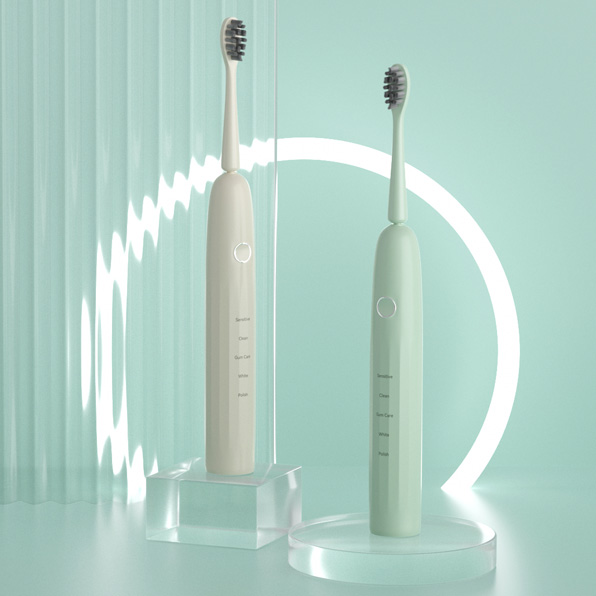
- Calm color schemes or light modes: Soft lighting or neutral colors that feel less clinical.
Tips to Reduce Brushing Anxiety
- Start with short, 30-second sessions to build comfort gradually.
- Use the quietest setting and focus on slow, steady movements.
- Listen to calming music or a podcast while brushing as extra distraction.
- Practice deep breathing while holding the brush near your mouth before starting.
Additional Support
- Keep your toothbrush in a relaxing, familiar space (not just the bathroom) to build positive associations.
- If anxiety is severe, talk to your dentist about gradual exposure techniques.
For anxiety-friendly electric toothbrushes, visit https://www.powsmart.com/.
For dental anxiety guidance, visit https://www.ada.org/resources/consumer/oral-health/dental-anxiety.
Conclusion
Anxiety toothbrush distraction features make home care manageable for anyone with dental tool fear. With the right tools and small, gentle steps, you can build a calm, sustainable brushing routine.