
Introduction
Agile Manufacturing Pods enable flexible, decentralized production capabilities. Channel Conflict Mitigation addresses tensions between distribution partners and sales channels. Combining both improves alignment and responsiveness. This blog explores how agile production structures can reduce channel conflicts effectively.
Understanding Agile Manufacturing Pods
Agile Manufacturing Pods are modular and decentralized production units. They operate independently but remain digitally connected. Each pod can quickly adapt to changing demand. This flexibility allows manufacturers to respond to channel-specific requirements efficiently.
What is Channel Conflict Mitigation?
Channel Conflict Mitigation focuses on reducing friction between competing sales channels. Conflicts often arise from pricing differences and inventory allocation. Effective strategies ensure fairness and transparency. This helps maintain strong and stable partner relationships.
Decentralizing Production for Channel-specific Supply
Agile Manufacturing Pods enable localized and channel-dedicated production. Each pod can serve a specific market or partner group. This reduces competition for shared inventory. It supports more effective Channel Conflict Mitigation.
Enabling Dynamic Allocation and Pricing Balance
Real-time adaptability is a key advantage of Agile Manufacturing Pods. Production can shift based on channel demand signals. This helps maintain balanced supply across partners. It reduces pricing inconsistencies and supports Channel Conflict Mitigation.
Improving Transparency and Collaboration
Agile Manufacturing Pod generate real-time production and inventory data. Sharing this data improves visibility for channel partners. Transparency builds trust and reduces misunderstandings. This strengthens Channel Conflict Mitigation efforts.
Supporting Customization and Channel Differentiation
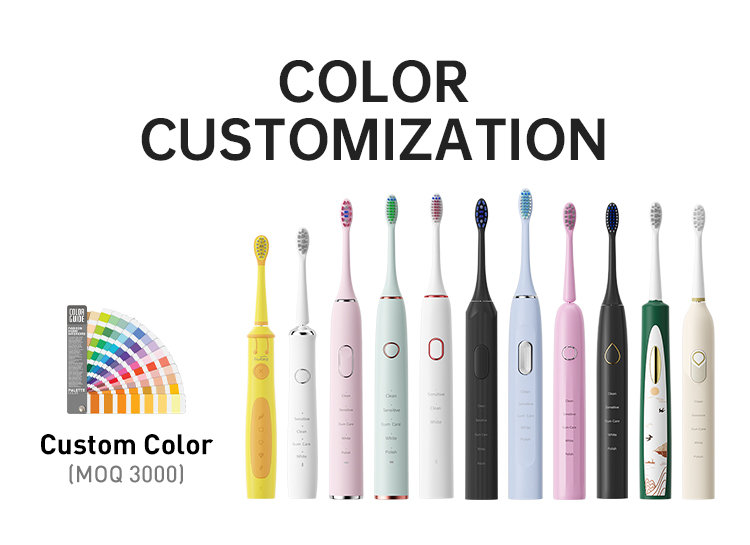
Different channels require unique product offerings. Agile Manufacturing Pod enable tailored production for each partner. This reduces direct competition between channels. It enhances differentiation and supports Channel Conflict Mitigation.
Conclusion
Agile Manufacturing Pod provide flexibility, transparency, and responsiveness. These capabilities directly address the root causes of channel conflict. By supporting fair allocation and differentiation, they enhance Channel Conflict Mitigation. For B2B manufacturers, this approach enables stronger partnerships and sustainable growth. Contact us
.jpg)
