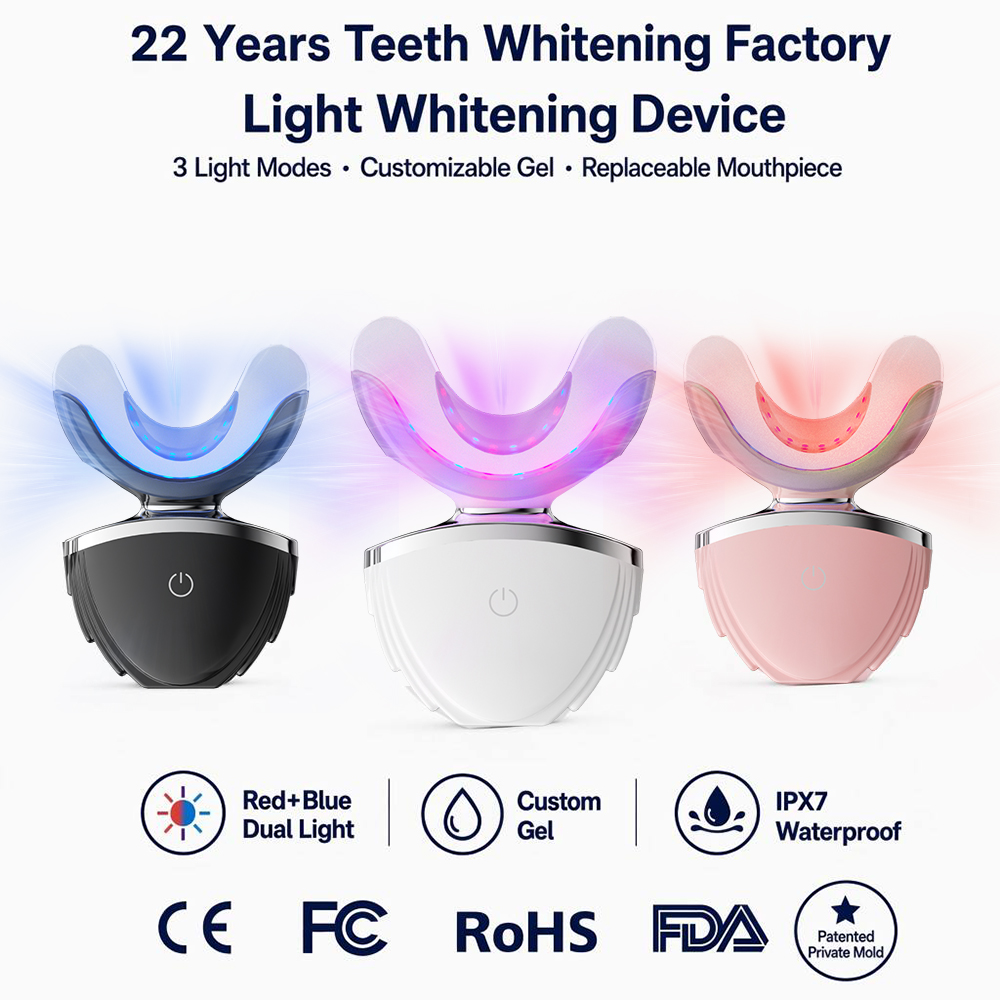
Water resistance is an important design consideration for rechargeable oral-care devices. Brands looking for IPX7 whitening device ODM services or a reliable IPX7 whitening kit supplier should evaluate product structure, sealing technology, material selection, and testing procedures to ensure the finished device meets its intended specifications.
What Does IPX7 Mean for a Whitening Device?
IPX7 is an ingress protection rating indicating that an enclosure has been tested for temporary immersion in water under specified conditions. It does not mean a device is suitable for every underwater environment or unlimited exposure to moisture. Buyers should confirm the tested immersion depth and duration, as well as the exact conditions used for the finished product.
How Can IPX7 Whitening Device ODM Support Custom Product Development?
An IPX7 whitening device ODM project allows brands to customize product appearance, internal structure, electronic components, operating controls, and packaging. Manufacturers can assess housing design, sealing positions, charging interfaces, and component layout during development. Prototype evaluation helps identify potential water-ingress risks before the final design is approved.
Which Design Features Help Improve Water Resistance?
Water-resistant construction may involve precision-molded housings, sealing rings, waterproof membranes, carefully designed joints, and protected electronic compartments. The charging port, control buttons, housing connections, and LED module areas require particular attention. Material compatibility and dimensional tolerances also influence sealing performance, so these details should reviewed during engineering and sample testing.
What Should Buyers Expect from an IPX7 Whitening Kit Supplier?
A professional IPX7 whitening kit supplier should provide clear product specifications and relevant test information for the exact model being offered. Buyers should ask about housing materials, sealing structures, charging methods, maintenance instructions, and applicable quality checks. They should also confirm whether the rating applies to the complete assembled device rather than only an individual component.
How Should IPX7 Whitening Devices Be Tested?
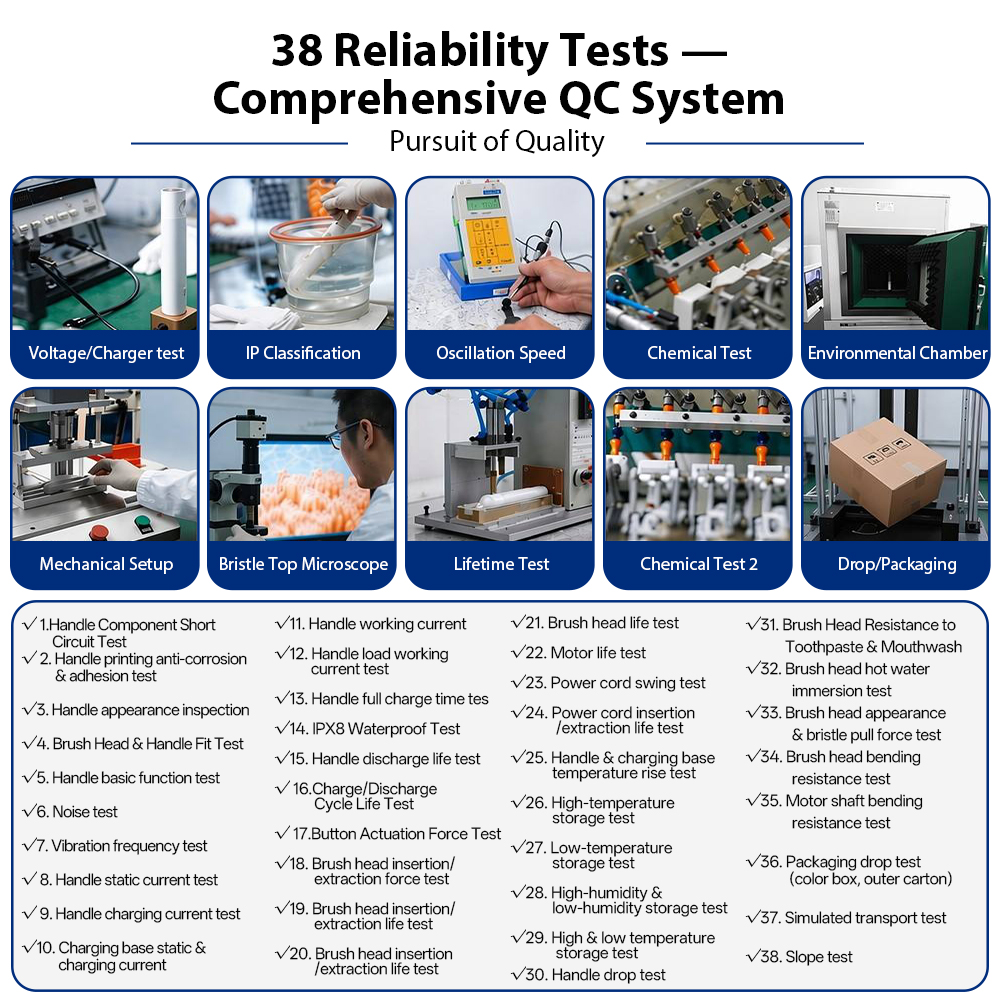
Testing should follow a defined procedure based on the applicable IPX7 requirements and the product’s intended construction. Evaluation may include pre-test inspection, controlled immersion, post-test internal examination, and functional checks. Additional testing of charging performance, battery protection, LED operation, and structural durability may also be necessary. Any claims about water resistance should supported by evidence for the finished product configuration.
How Can Brands Choose the Right ODM Manufacturing Partner?
Before starting production, buyers should review the manufacturer’s engineering experience, sample quality, sealing design, testing procedures, customization capabilities, MOQ, and lead time. It is also important to agree on acceptance criteria, inspection responsibilities, packaging specifications, and product documentation. Approving a fully assembled sample before mass production can help reduce design and quality risks.
Conclusion
Developing a water-resistant whitening device requires coordinated engineering, appropriate materials, and reliable testing. By working with an experienced IPX7 whitening device ODM partner or a dependable IPX7 whitening kit supplier, oral-care brands can develop customized products with clearly defined water-resistance specifications and more consistent manufacturing quality. Contact us