Are you sourcing teeth whitening kits in bulk and looking for a manufacturer with reliable testing and quality management procedures? Choosing a partner for Labtest whitening kit bulk orders and Audit whitening kit OEM projects can help your brand evaluate product quality, review manufacturing processes, and prepare for market-specific requirements. Laboratory testing and factory audits are important steps in building a transparent and dependable supply chain.
Why Is Laboratory Testing Important for Whitening Kits?
Laboratory testing helps verify whether a whitening kit meets its defined product specifications and applicable safety requirements. Depending on the kit configuration, testing may cover whitening gel ingredients, chemical stability, packaging compatibility, and the electrical performance of LED devices.
For bulk orders, buyers should confirm that test reports correspond to the actual product formula, model, and production configuration.
What Should Buyers Check When Ordering Labtest Whitening Kit Bulk?
When sourcing Labtest whitening kit bulk, buyers should review the manufacturer’s testing capabilities and documentation before confirming production.
Important considerations include:
- Formula specifications and ingredient documentation
- Stability and packaging compatibility test results
- LED device functional and electrical test reports, where applicable
- Batch identification and traceability
- Inspection procedures for finished products
These checks help buyers assess whether the products meet their agreed specifications.
What Does an Audit Whitening Kit OEM Process Involve?
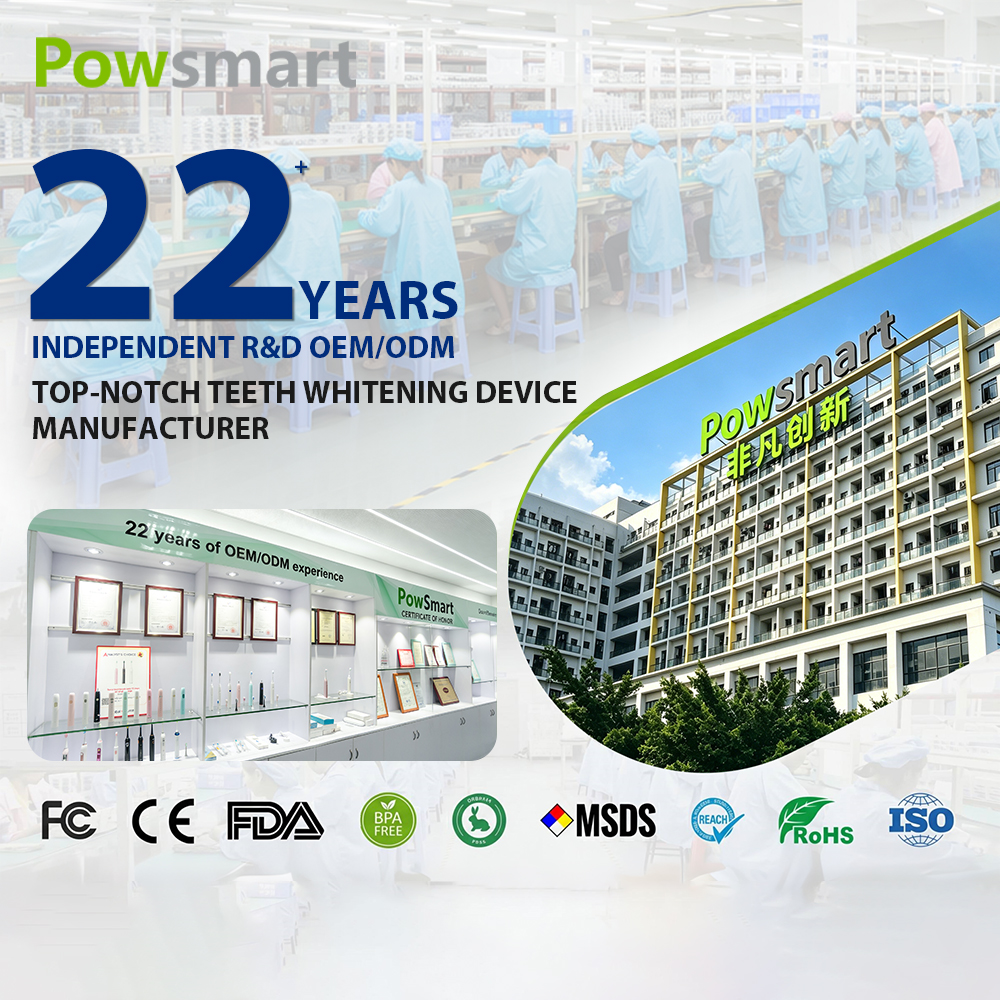
An Audit whitening kit OEM project allows buyers to evaluate a manufacturer’s production and quality management processes. A factory audit may review production facilities, material storage, equipment maintenance, staff procedures, and quality inspection records.
The audit scope should be agreed in advance and may be conducted by the buyer or an independent auditing organization.
Which Areas Should a Whitening Kit Factory Audit Cover?
A structured audit can help buyers understand how a factory manages daily operations. Common areas include:
- Supplier management: How raw materials and components are sourced and approved.
- Production control: Whether manufacturing follows documented procedures.
- Quality inspection: How incoming materials and finished products are checked.
- Documentation: Whether production and inspection records are maintained.
- Traceability: Whether batches can be identified and relevant records retrieved.
The audit findings can help identify improvement opportunities before large-scale cooperation.
How Do Testing and Audits Support Bulk Order Quality?
Laboratory testing evaluates defined product characteristics, while factory audits examine manufacturing systems and processes. Both provide useful information, but neither replaces ongoing quality control.
For bulk production, manufacturers should maintain agreed inspection standards, batch records, sample retention procedures where appropriate, and corrective action processes for identified issues.
What Should Buyers Confirm Before Starting an OEM Project?
Before placing an order, buyers should clarify product formulas, device specifications, packaging requirements, MOQ, testing scope, audit criteria, and production timelines.
It is also important to confirm which party arranges laboratory testing, who pays for audits, how non-conformities are handled, and what documentation will be provided before shipment.
Conclusion
Reliable whitening kit sourcing requires careful evaluation of both product quality and manufacturing processes. By reviewing laboratory reports, conducting appropriate factory audits, and maintaining clear quality requirements, brands can manage Labtest whitening kit bulk orders and Audit whitening kit OEM projects with greater confidence.Contact us