When sourcing teeth whitening kits for international markets, buyers should consider intellectual property, product safety, and regulatory requirements alongside product quality and pricing. Working with a reliable Patent whitening kit factory can help brands explore differentiated product designs and technologies, while understanding Compliance whitening kit bulk requirements helps buyers prepare products and documentation for their target markets.
Why Are Patents Important in Whitening Kit Manufacturing?
Patents can protect eligible technical inventions, product structures, or design features. In the teeth whitening industry, patented technologies may relate to LED device structures, light-emitting systems, application mechanisms, or other product innovations.
For buyers, cooperating with a Patent whitening kit factory may provide access to products developed around specific technical or design features. However, buyers should verify patent ownership, validity, geographical coverage, and licensing permissions before manufacturing, branding, or commercializing a product.
What Should Buyers Check When Working with a Patent Whitening Kit Factory?
Before starting an OEM/ODM project, buyers should review the supplier’s intellectual property documentation and clarify how patented technologies can be used.
Important considerations include:
- Patent ownership: Confirm whether the patent belongs to the factory or another rights holder.
- Patent coverage: Check the countries or regions where the patent is registered.
- Authorization: Verify that the supplier has the right to manufacture and sell the relevant product.
- OEM/ODM rights: Clarify whether customization, private labeling, and resale are permitted.
- Design differentiation: Understand which product features are protected and which can be customized.
These checks can help reduce intellectual property disputes during product development and market expansion.
Why Is Compliance Important for Bulk Whitening Kit Orders?
Whitening kits may contain gels, mouth trays, LED devices, batteries, and packaging materials. Each component may be subject to different safety, labeling, ingredient, and transportation requirements.
For Compliance whitening kit bulk projects, buyers should identify the regulations applicable to their destination markets before mass production. Requirements may vary depending on the formulation, active ingredients, product claims, intended use, and electronic components.
Early compliance planning helps buyers identify documentation needs and avoid costly product or packaging changes later.
Which Compliance Areas Should Buyers Consider?
Depending on the product configuration and target market, buyers may need to evaluate several areas:
- Ingredient requirements: Check permitted ingredients, concentration limits, and restrictions applicable to whitening gels.
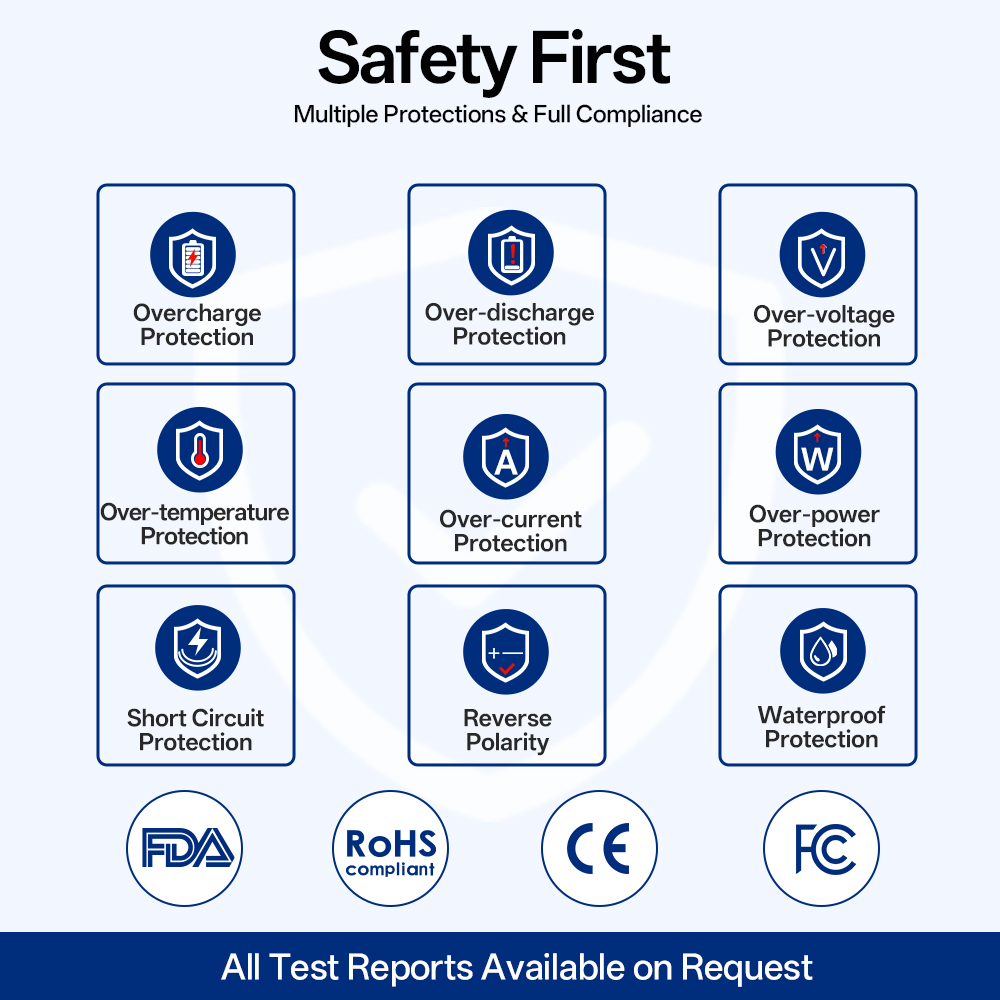
- Product safety: Review relevant safety requirements for the complete kit and its individual components.
- Electrical safety: Determine applicable testing requirements for LED devices, chargers, and other electronic accessories.
- Battery transportation: Confirm packaging and documentation requirements for products containing rechargeable batteries.
- Labeling and instructions: Prepare ingredient information, warnings, usage instructions, batch details, and other required product information.
- Packaging materials: Verify applicable material and packaging requirements.
Not every requirement applies to every product. Buyers should confirm the relevant rules with qualified compliance professionals or testing organizations.
How Can Factories Support Compliance for Bulk Whitening Kit Orders?
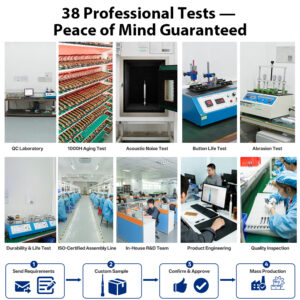
A capable manufacturer can support buyers by providing product specifications, ingredient information, component details, available test reports, and quality inspection records.
For bulk orders, factories may also coordinate sample testing, packaging reviews, and production adjustments based on documented requirements. Buyers should verify that existing test reports apply to the exact product model, formulation, components, and configuration being purchased.
Any changes to ingredients, concentrations, materials, electronic components, or product claims should be reviewed to determine whether additional testing or documentation is necessary.
How to Choose a Reliable Patent and Compliance Partner?
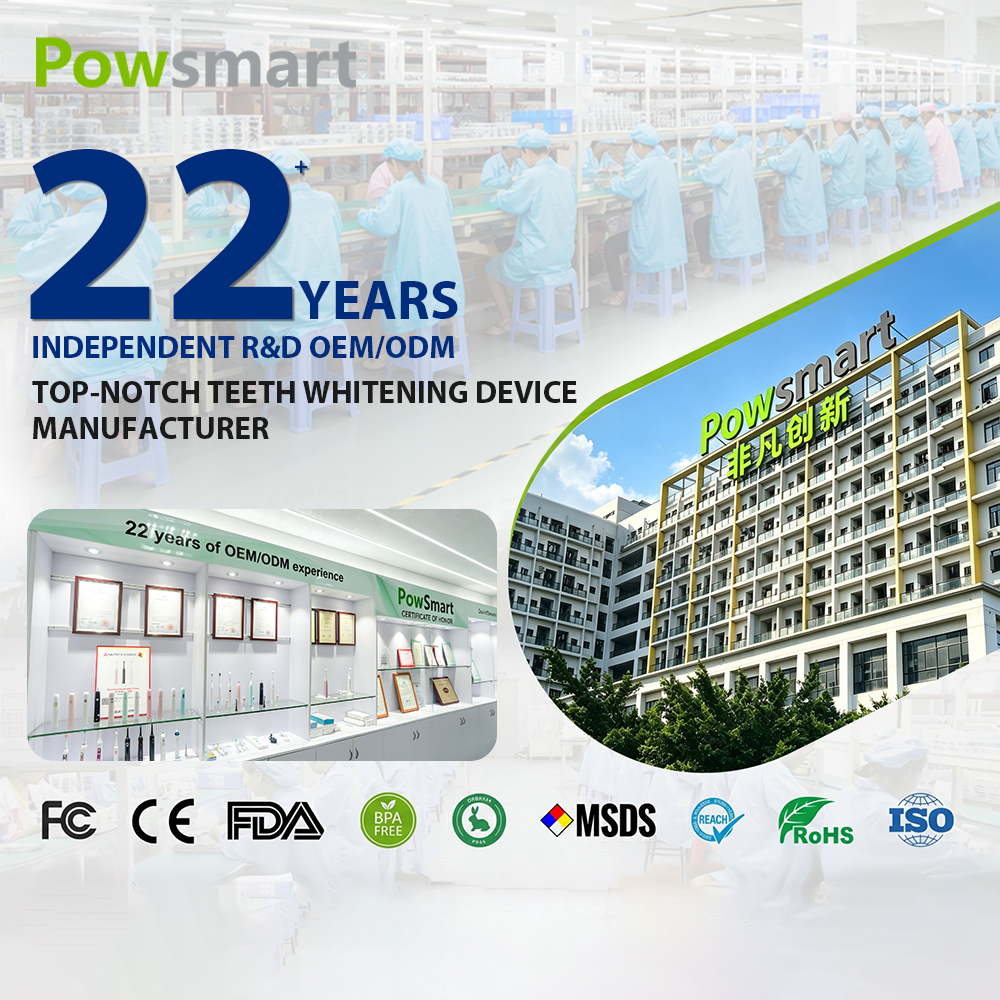
When evaluating suppliers, buyers should review their manufacturing experience, intellectual property documentation, quality management procedures, testing capabilities, and export experience.
Before signing an agreement, confirm:
- Patent ownership and authorization for commercial use.
- Product specifications and customization rights.
- Applicable compliance requirements for each target market.
- Testing responsibilities and documentation availability.
- Quality inspection procedures and production traceability.
- Responsibilities for regulatory updates and product changes.
A written agreement can help clarify each party’s responsibilities and reduce potential risks during long-term cooperation.
Conclusion
Successful whitening kit sourcing requires both product innovation and careful compliance planning. By working with a dependable Patent whitening kit factory and preparing Compliance whitening kit bulk requirements early, brands can better manage intellectual property risks, verify product documentation, and prepare their products for their intended markets. Contact us