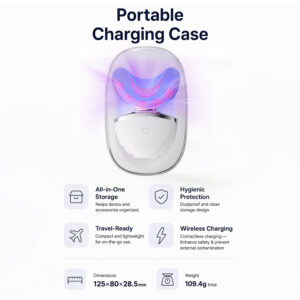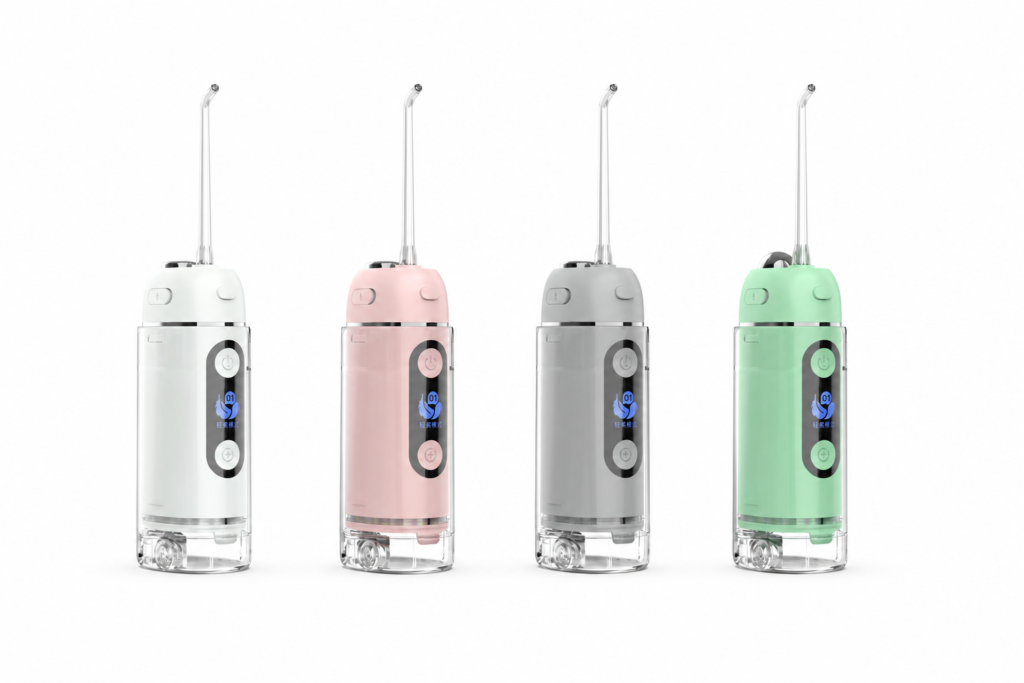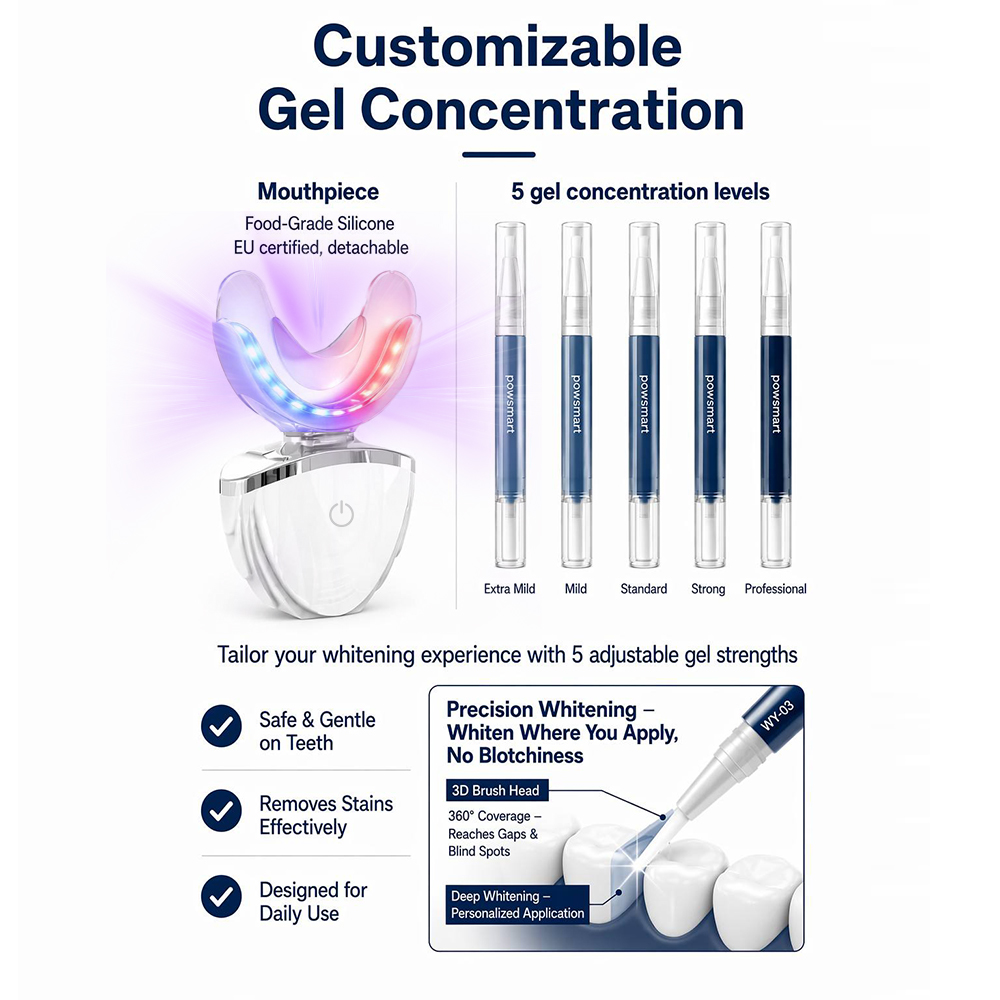
For oral care brands seeking premium teeth-whitening products, material selection influences product appearance, durability, and market positioning. Partnering with a reliable Glass whitening device OEM manufacturer and an experienced Aluminum alloy whitening kit ODM provider helps businesses develop customized products with distinctive designs and professional branding.
Benefits of Glass Whitening Device Design
Glass components can give whitening devices a modern, premium appearance. Depending on the design, glass may be used for decorative panels or selected exterior components.
Manufacturers should evaluate glass thickness, edge finishing, impact resistance, and assembly methods to ensure the material suits the product’s intended use. Prototype testing helps confirm both appearance and structural reliability.
Glass Whitening Device OEM Customization
A Glass whitening device OEM partner can support customized glass colors, surface finishes, logo placement, housing designs, and packaging. These options help brands create products that match their visual identity.
Buyers should also confirm how glass components integrate with electronic parts and light sources. Secure attachment, precise dimensions, and consistent assembly are essential for reliable production.
Why Choose Aluminum Alloy for Whitening Kits?
Aluminum alloy offers a rigid structure, metallic appearance, and various surface-finishing options. It can be used for device housings, storage cases, or decorative components, depending on the product design.
Finishes such as brushed textures and anodized colors can help brands establish a distinctive product style. Manufacturers should assess weight, corrosion resistance, surface durability, and compatibility with other materials.
Aluminum Alloy Whitening Kit ODM Services
An Aluminum alloy whitening kit ODM provider can help develop customized product structures, accessories, and retail packaging. Options may include custom dimensions, logo engraving, coordinated colors, and tailored kit configurations.
Before development, brands should define their target market, product specifications, budget, and order quantity. Clear requirements help manufacturers plan prototyping and production more efficiently.
Quality Control and Product Testing
Glass and aluminum alloy components require appropriate inspections to maintain consistent quality. Checks may include dimensional accuracy, surface defects, coating quality, attachment security, and durability.
Whitening devices with electronic components should also undergo relevant functional and electrical safety testing. Buyers should request suitable test documentation and agree on quality standards before mass production.
Private Label Packaging and Bulk Production
Custom packaging helps present whitening kits professionally while protecting fragile glass and finished metal components during shipping. Manufacturers can provide branded cartons, protective inserts, instruction manuals, and coordinated accessories.
Before placing a bulk order, confirm the approved sample, material specifications, packaging design, minimum order quantity, production lead time, and inspection requirements.
Conclusion
Glass and aluminum alloy provide different opportunities for developing premium teeth-whitening products. By working with a capable Glass whitening device OEM manufacturer and a dependable Aluminum alloy whitening kit ODM provider, brands can customize product appearance, packaging, and configurations while maintaining manufacturing consistency. Contact us