Electric toothbrush import regulations Europe play a critical role for manufacturers aiming to enter the European market. As one of the most regulated regions globally, the European Union enforces strict compliance requirements covering product safety, labeling, and environmental impact. Therefore, OEM suppliers must fully understand these regulations to ensure smooth customs clearance and successful market entry.
Why European Import Regulations Matter for OEM Suppliers
First of all, the European market offers significant opportunities for oral care brands. However, strict regulatory frameworks require manufacturers to meet high standards before products can be sold.
Moreover, non-compliance may lead to shipment rejection, fines, or even product recalls. Consequently, understanding regulations is not optional but essential.
In addition, European distributors prefer suppliers who already comply with EU standards. Therefore, compliance becomes a competitive advantage in B2B negotiations.
Key Regulatory Frameworks in Europe
CE Marking and Product Safety Directives
Electric toothbrushes must carry CE marking, indicating compliance with EU directives such as:
- Low Voltage Directive (LVD)
- Electromagnetic Compatibility (EMC) Directive
These directives ensure electrical safety and performance reliability.
For reference:
https://ec.europa.eu
RoHS and Material Restrictions
Manufacturers must comply with RoHS regulations, which restrict hazardous substances in electronic products. Therefore, all components must meet material safety standards.
REACH Compliance
REACH regulations control chemical usage in products. Consequently, suppliers must ensure that materials do not contain restricted substances.
Documentation Required for Import
Technical File and Declaration of Conformity
OEM suppliers must prepare:
- Technical documentation
- EU Declaration of Conformity (DoC)
These documents prove compliance with EU regulations.
Test Reports and Certifications
Testing reports typically include:
- EMC testing
- Safety testing
- Material compliance reports
Therefore, maintaining complete documentation is essential.
Labeling and Packaging Requirements
European regulations require:
- Multilingual labeling
- CE marking on packaging
- Manufacturer and importer details
As a result, products can pass customs inspections smoothly.
Environmental and Sustainability Regulations
WEEE Directive
The Waste Electrical and Electronic Equipment (WEEE) directive requires proper recycling and waste management.
Packaging Waste Regulations
Packaging must meet recycling standards. Therefore, eco-friendly materials are preferred.
OEM Supplier Strategies for Compliance
Early Integration of Compliance in Design
Manufacturers should consider regulations during product development. This reduces redesign costs and speeds up certification.
Partnering with Testing Laboratories
Working with certified labs ensures accurate testing results. Therefore, compliance risks decrease.
Providing Full Compliance Support
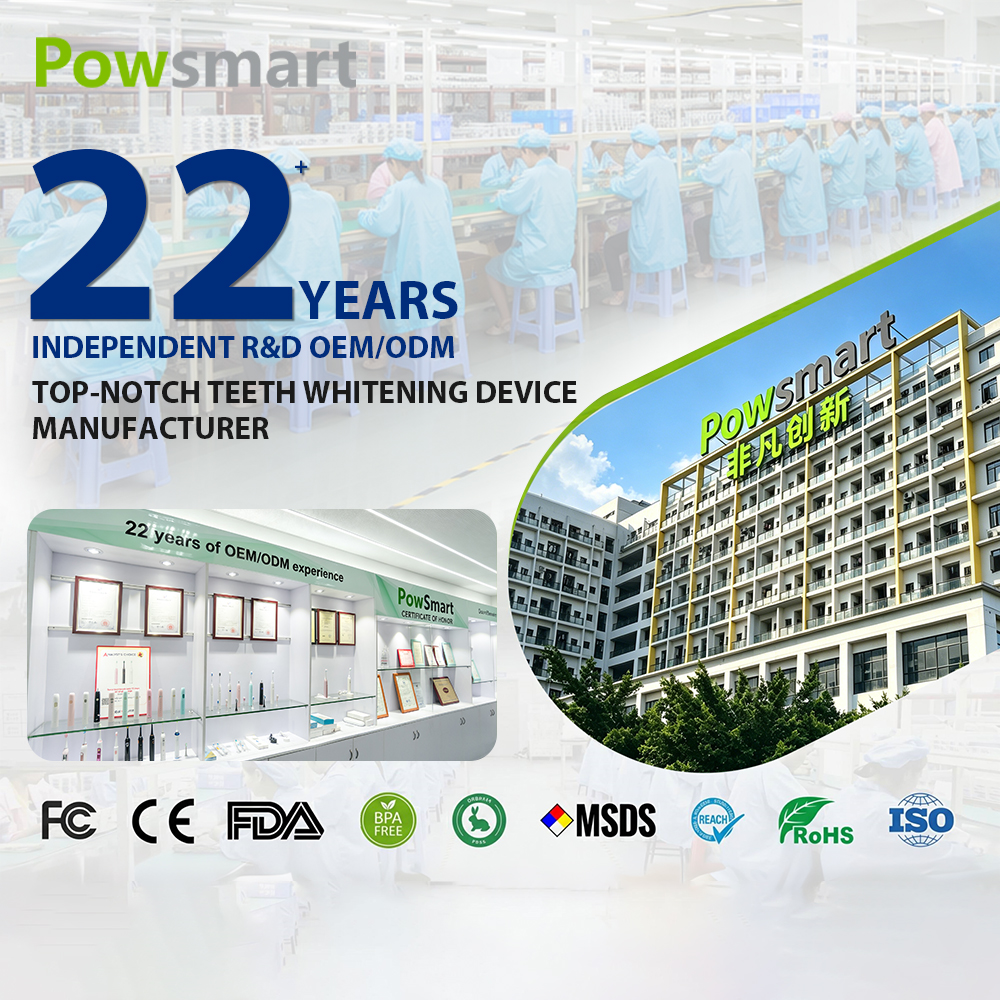
Professional suppliers, such as
https://www.powsmart.com/electric-toothbrush
offer complete compliance documentation for European clients.
Common Challenges in European Import
However, many exporters face issues such as:
- Incomplete documentation
- Incorrect CE marking
- Failure to meet environmental standards
Therefore, thorough preparation is necessary.
Future Trends in EU Regulations
In recent years, sustainability requirements have become stricter. Therefore, manufacturers must adopt eco-friendly designs and materials.
Conclusion: Entering the European Market Successfully
In conclusion, electric toothbrush import regulations Europe require comprehensive compliance across safety, labeling, and environmental standards. OEM suppliers who meet these requirements can access one of the most valuable global markets.
.jpg)
