Electric toothbrush warranty policy OEM supplier is a crucial factor that global buyers evaluate when selecting manufacturing partners. In today’s competitive oral care market, warranty policies not only reflect product confidence but also directly influence purchasing decisions. Therefore, OEM suppliers must establish clear, transparent, and reliable warranty frameworks to meet international expectations.
Why Warranty Policy Matters in OEM Cooperation
First of all, warranty policies reduce buyer risk. When distributors or brands place large-volume orders, they require assurance that defective products will be handled efficiently. Without a clear policy, trust becomes difficult to establish.
Moreover, warranty terms impact brand reputation. If end-users experience issues and cannot receive proper support, negative feedback may spread quickly. Consequently, OEM suppliers with strong warranty systems gain long-term partnerships.
In addition, many retailers and e-commerce platforms require defined warranty terms before listing products. Therefore, compliance with warranty expectations becomes essential for market entry.
Key Elements of an Effective Warranty Policy
Warranty Duration and Coverage Scope
Typically, electric toothbrush warranties range from 1 to 2 years. However, premium products may offer extended coverage. The policy should clearly define:
- Covered components (motor, battery, PCB)
- Excluded damages (misuse, water damage beyond rating)
Therefore, clarity prevents disputes between suppliers and buyers.
Replacement and Repair Procedures
An efficient warranty system includes:
- Standard replacement timelines
- Clear RMA (Return Merchandise Authorization) process
- Defined responsibilities for shipping costs
As a result, both parties can manage after-sales service smoothly.
Failure Rate and Quality Assurance
OEM suppliers often agree on acceptable defect rates. For example, a 0.3%–0.5% failure rate is common in the industry. Therefore, warranty policy should align with quality benchmarks.
International Expectations for Warranty Compliance
European Market Requirements
In the EU, consumer protection laws may require minimum warranty periods. Therefore, OEM suppliers must ensure compatibility with local regulations.
Reference:
https://ec.europa.eu
United States Market Standards
In the U.S., warranty disclosures must follow guidelines from regulatory bodies such as:
https://www.ftc.gov
Consequently, clear documentation is essential.
OEM Supplier Strategies to Improve Warranty Performance
Strengthening Quality Control
Warranty claims often result from production defects. Therefore, improving QC processes reduces long-term costs.
Data Tracking and Analysis
By analyzing defect patterns, manufacturers can identify root causes. As a result, product reliability improves.
After-Sales Service Integration
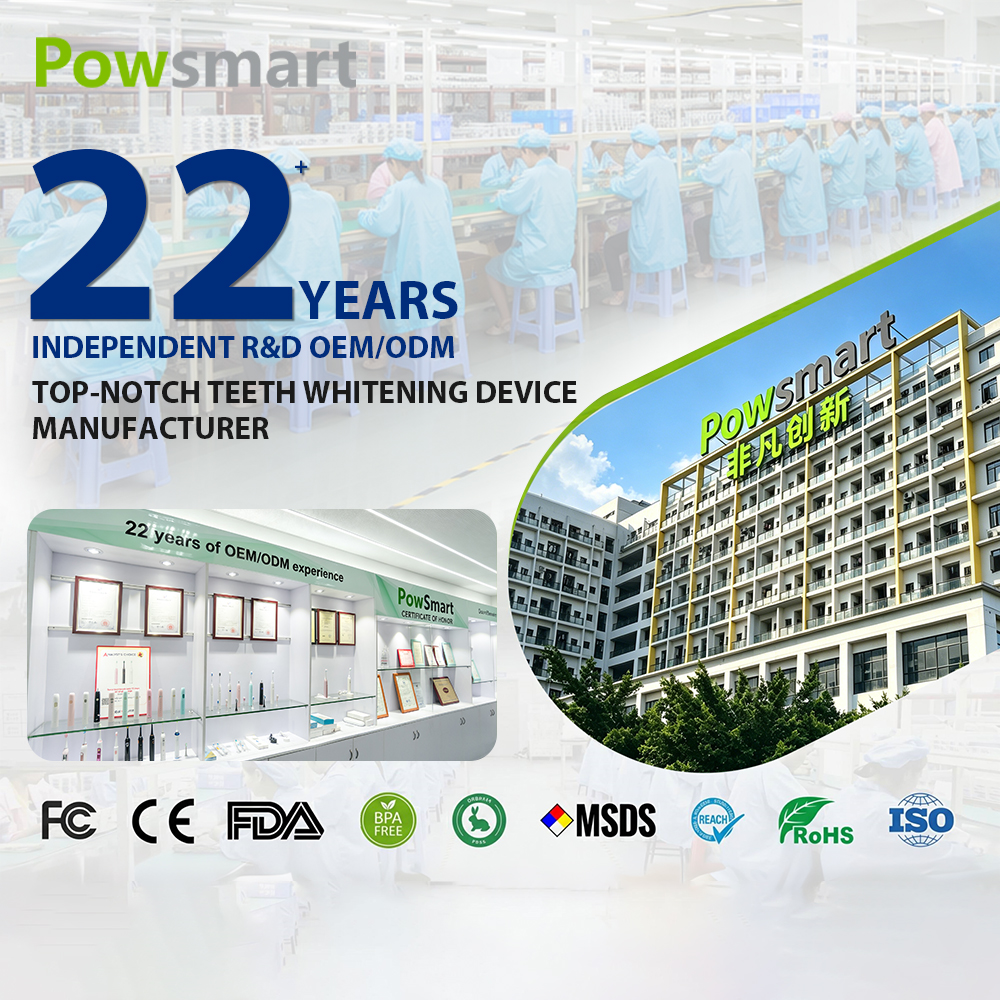
Leading suppliers integrate after-sales support into their OEM services. For instance,
https://www.powsmart.com
offers structured warranty support alongside manufacturing solutions.
Common Warranty Policy Mistakes
However, some suppliers still face challenges such as:
- Unclear warranty terms
- Slow response time
- Lack of documentation
These issues can damage business relationships. Therefore, continuous improvement is necessary.
Future Trends in Warranty Management
Recently, digital warranty systems have become popular. QR codes and online registration simplify claim processes. Therefore, adopting digital solutions enhances customer experience.
Conclusion: Building Trust Through Warranty Systems
In conclusion, electric toothbrush warranty policy OEM supplier is a key element in building trust, reducing risks, and strengthening long-term B2B cooperation. Suppliers who offer transparent and efficient warranty systems gain a strong competitive advantage.
.jpg)
