Electric toothbrush labeling requirements OEM is a fundamental aspect of product compliance for manufacturers targeting international markets. As global regulations become increasingly strict, labeling accuracy directly affects customs clearance, product acceptance, and brand credibility. Therefore, OEM suppliers must fully understand labeling standards to ensure smooth export operations.
Why Labeling Compliance Matters in OEM Manufacturing
First of all, labeling serves as the primary communication channel between the manufacturer and the end user. It provides essential information such as product specifications, usage instructions, and safety warnings. Without proper labeling, consumers may misuse the product, leading to safety risks.
Moreover, regulatory authorities in regions like the European Union and North America require strict labeling compliance. Consequently, non-compliant products may be rejected at customs or removed from shelves.
In addition, distributors and retailers often conduct compliance checks before listing products. Therefore, accurate labeling becomes a key factor in securing B2B partnerships.
Core Elements of Electric Toothbrush Labeling
Product Identification and Manufacturer Information
Each product must clearly display:
- Product name and model number
- Manufacturer name and address
- Country of origin
This information ensures traceability and accountability in the supply chain.
Certification Marks and Compliance Symbols
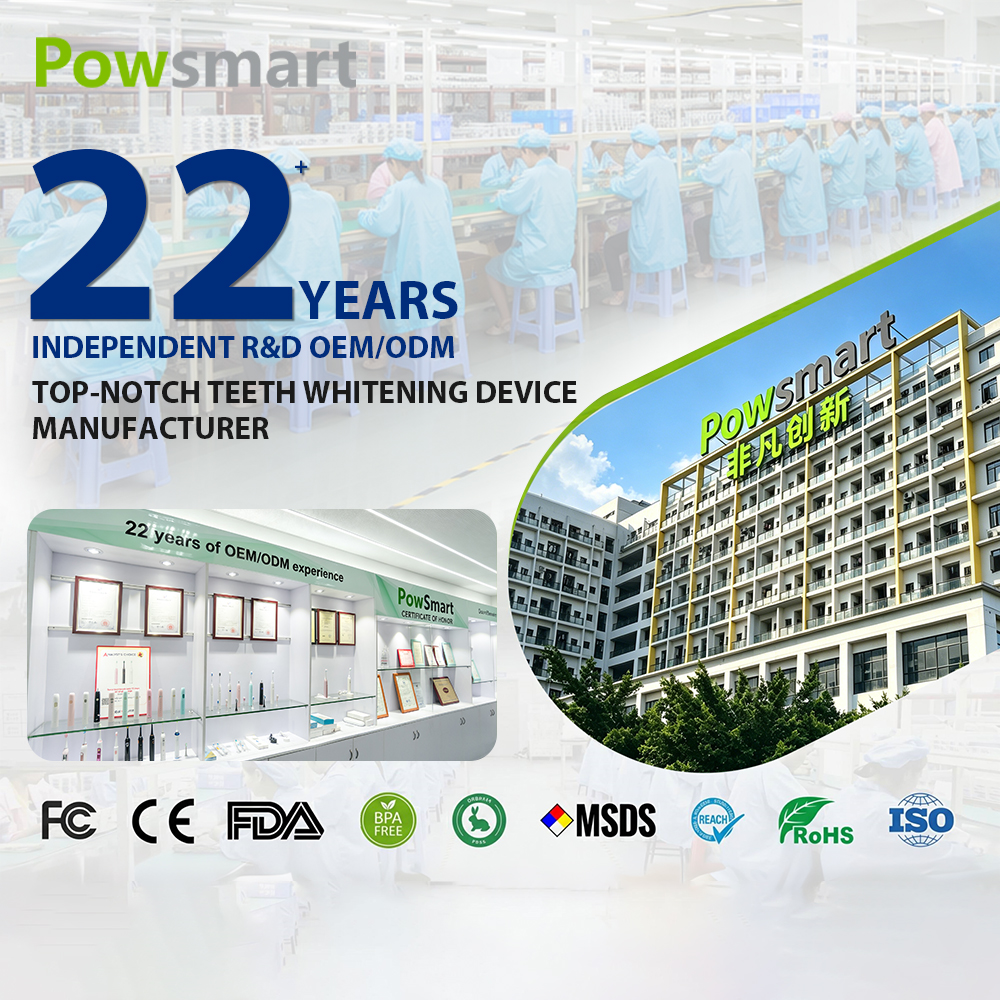
Depending on the target market, labeling must include relevant marks such as:
- CE marking for Europe
- FCC for the United States
- RoHS compliance symbol
These marks indicate that the product meets regulatory standards.
Safety Instructions and Warnings
Safety labeling is critical. For example:
- Battery handling warnings
- Waterproof usage instructions
- Age restrictions
Therefore, clear and visible warnings reduce liability risks.
Labeling Standards Across Different Markets
European Union Requirements
The EU requires multilingual labeling and compliance with directives such as:
- Low Voltage Directive (LVD)
- EMC Directive
More details can be found at:
https://ec.europa.eu
United States Regulations
In the U.S., labeling must comply with FDA and FCC requirements. For reference:
https://www.fda.gov
Other International Markets
Countries in Southeast Asia and the Middle East also enforce labeling standards. Therefore, OEM suppliers must adapt labeling for each market.
OEM Customization and Private Label Solutions
From a B2B perspective, buyers often request customized branding. Therefore, manufacturers must offer flexible labeling solutions, including:
- Private label logos
- Customized packaging labels
- Multilingual printing
For example, at
https://www.powsmart.com/electric-toothbrush
OEM services include tailored labeling designs for global clients.
Common Labeling Mistakes to Avoid
However, many manufacturers still make errors such as:
- Missing certification marks
- Incorrect translations
- Incomplete manufacturer details
These mistakes can lead to shipment delays or penalties. Therefore, implementing a strict review process is essential.
Integration with Quality Control Systems
Labeling should be part of the overall quality management system. For instance, factories often integrate labeling checks into final inspection procedures. As a result, compliance risks are minimized.
Future Trends in Product Labeling
In recent years, digital labeling has gained popularity. QR codes now provide extended product information, reducing the need for excessive printed content. Therefore, adopting smart labeling solutions can enhance user experience.
Conclusion: Strengthening OEM Competitiveness
In conclusion, electric toothbrush labeling requirements OEM plays a crucial role in ensuring regulatory compliance and enhancing global market access. Manufacturers who prioritize accurate labeling gain stronger trust and long-term business opportunities.
.jpg)
