Introduction
Living with lupus means managing a range of health challenges, including oral health issues caused by the autoimmune condition. Lupus can cause sensitive gums, dry mouth, and mouth sores, making even basic brushing painful. A lupus oral care toothbrush guide shares how to choose a brush that works with your condition, not against it.
How Lupus Affects Oral Health
Lupus can impact the mouth in several ways:
- Sensitive, inflamed gums: Swelling and tenderness from inflammation can make brushing uncomfortable.
- Mouth sores (ulcers): Painful lesions that can be irritated by harsh bristles.
- Dry mouth: Reduced saliva production increases the risk of cavities and gum disease.
Key Features of a Lupus-Friendly Electric Toothbrush
Look for these gentle features:
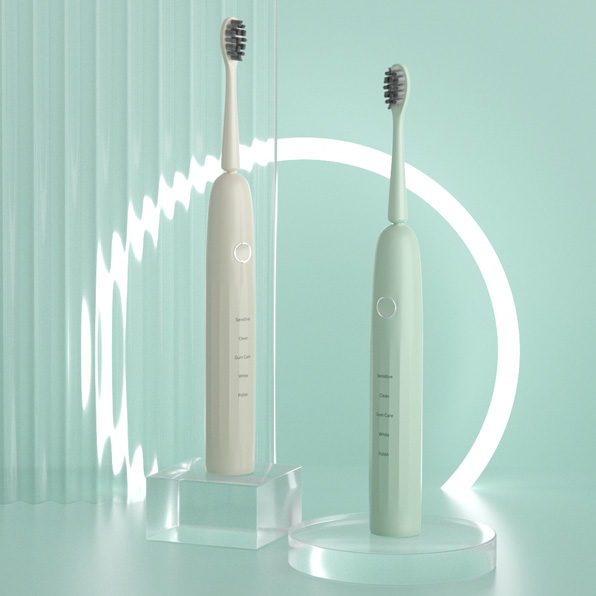
- Ultra-soft, rounded bristles: Gentle on sensitive gums and mouth sores, with no sharp edges that can irritate.
- Low-vibration or sensitive cleaning modes: Reduced power to avoid worsening inflammation.
- Pressure sensors: Alert you if you’re brushing too hard, preventing irritation.
- Small brush head: Fits easily in the mouth to clean hard-to-reach areas without discomfort.
Safe Brushing Techniques for Lupus Patients
Follow these steps to clean gently:
- Use lukewarm water and a small amount of mild, fluoride toothpaste.
- Hold the brush lightly against your teeth, letting the bristles do the work instead of applying pressure.
- Brush in small, circular motions, avoiding any areas with open sores.
- Rinse your mouth with lukewarm saltwater after brushing to soothe inflammation.
Additional Oral Care Tips
- Stay hydrated to combat dry mouth, which can worsen gum irritation.
- Avoid alcohol-based mouthwashes, which can irritate sensitive tissue.
- Schedule regular dental checkups to monitor gum health and catch issues early.
For lupus-friendly electric toothbrushes, visit https://www.powsmart.com/.
For lupus oral health guidance, visit https://www.lupus.org/.
Conclusion
A lupus oral care toothbrush guide helps you manage oral health challenges with gentle, safe tools. With the right brush and simple techniques, you can keep your mouth healthy while living with lupus.

.jpg)
