Introduction
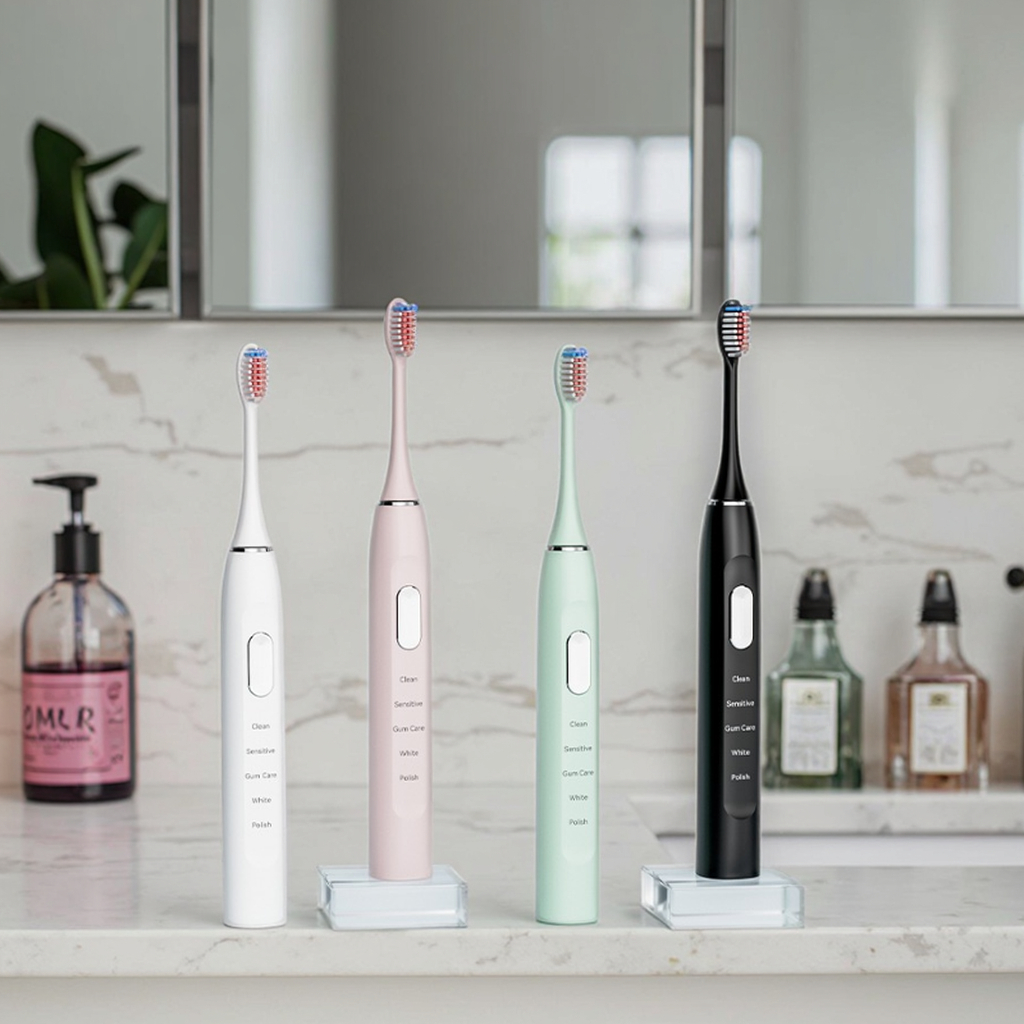
Chemotherapy oral care toothbrush is essential for patients dealing with sensitive gums, mouth sores, and weakened enamel during cancer treatment. Chemotherapy can damage healthy cells in the mouth, making even gentle brushing painful. This guide shares the safest brushes and techniques for chemo patients.
How Chemotherapy Affects Oral Health
Chemotherapy can cause:
- Mouth sores and ulcers that make brushing painful.
- Dry mouth, which increases the risk of cavities.
- Sensitive gums that bleed easily with even light pressure.
- Weakened enamel, making teeth more prone to damage.
Key Features of a Chemo-Friendly Electric Toothbrush
Look for these gentle features:
- Ultra-soft, rounded bristles: Gentle on sensitive gums, with no sharp edges that can irritate sores.
- Low vibration or gentle cleaning modes: Reduced power to avoid irritating sensitive tissue.
- Pressure sensors: Alert you if you’re brushing too hard, preventing bleeding or damage.
- Small brush head: Fits easily in the mouth to clean hard-to-reach areas without discomfort.
Safe Brushing Techniques During Chemotherapy
Follow these steps to clean gently:
- Brush with lukewarm water only if toothpaste irritates your mouth.
- Use a light touch, letting the brush do the work instead of applying pressure.
- Rinse your mouth with a baking soda solution after brushing to soothe sores.
- Clean the brush head thoroughly after each use to prevent bacteria buildup.
Additional Oral Care Tips
- Avoid alcohol-based mouthwashes, which can irritate sensitive tissue.
- Use a humidifier at night to reduce dry mouth.
- Schedule regular dental checkups to monitor your oral health during treatment.
For chemo-friendly electric toothbrushes, visit https://www.powsmart.com/.
For cancer patient oral care guidance, visit https://www.cancer.org/treatment/treatments-and-side-effects/physical-side-effects/oral-complications.html.
Conclusion
A chemotherapy oral care toothbrush helps patients maintain clean teeth without worsening mouth sensitivity. With gentle tools and techniques, you can protect your oral health during cancer treatment.

.jpg)
