Info Center
Home » powsmart Electric Toothbrush blog » Dogs need dental care too, and this pet owners oral care guide explores how water flosser technology can benefit your furry friend’s dental health. Pet dental disease is one of the most common health issues in dogs and cats, but traditional brushing can be stressful for both pets and owners. Water flosser-inspired tools offer a gentle, effective way to clean your pet’s teeth and gums without the struggle of a toothbrush. For pet-friendly oral care tools, visit https://www.powsmart.com/. Why Pet Dental Health Matters First, understanding the importance of pet oral care: Dental disease leads to pain: Tartar buildup, gingivitis, and tooth decay cause chronic pain for pets, which they often hide. Systemic health risks: Bacteria from dental disease can enter the bloodstream, affecting the heart, kidneys, and other organs. Early prevention is key: Starting dental care early (when your pet is a puppy or kitten) makes it easier to maintain good oral health. How Water Flosser Technology Benefits Pets Furthermore, water flosser-inspired tools simplify pet dental care: Gentle water stream: A low-pressure water stream blasts away plaque and food particles from between your pet’s teeth and along the gumline, without the need for scrubbing. Stress-free for pets: Most pets tolerate the gentle water stream better than a toothbrush, making cleaning faster and less stressful. Reaches hard-to-reach areas: Water can get into tight gaps between teeth and under the gumline, areas that are impossible to clean with a toothbrush alone. Easy to use: Pet-friendly water flossers are designed to be held comfortably, with a small nozzle that fits in your pet’s mouth. Step-by-Step Pet Oral Care with a Water Flosser In addition, follow this routine to clean your pet’s teeth safely: Start slow: Introduce the water flosser to your pet gradually, letting them sniff and explore it before turning it on. Set pressure to low: Use the lowest pressure setting to avoid startling your pet or irritating their gums. Aim at the gumline: Hold the nozzle at a 45-degree angle to your pet’s gums, targeting the area between teeth. Clean gently: Move the nozzle slowly along the gumline, flushing out plaque and food particles. Reward your pet: Give them a treat after each session to make dental care a positive experience. Additional Pet Dental Care Tips In addition, these steps support long-term pet oral health: Brush your pet’s teeth 2–3 times a week with a pet-specific toothpaste and toothbrush. Offer dental chews and toys to help remove plaque and tartar naturally. Visit your vet for annual dental checkups and cleanings to catch early signs of disease. Avoid giving your pet sugary treats, which can lead to cavities and dental decay. In conclusion, this pet owners oral care guide shows how water flosser technology can simplify pet dental care. Use a gentle water stream to clean your pet’s teeth and gums, and pair it with regular brushing and vet checkups to keep your furry friend’s smile healthy. For more pet dental care tips, visit https://www.aspca.org/pet-care/dog-care/dog-dental-care.

Dogs need dental care too, and this pet owners oral care guide explores how water flosser technology can benefit your furry friend’s dental health. Pet dental disease is one of the most common health issues in dogs and cats, but traditional brushing can be stressful for both pets and owners. Water flosser-inspired tools offer a gentle, effective way to clean your pet’s teeth and gums without the struggle of a toothbrush. For pet-friendly oral care tools, visit https://www.powsmart.com/. Why Pet Dental Health Matters First, understanding the importance of pet oral care: Dental disease leads to pain: Tartar buildup, gingivitis, and tooth decay cause chronic pain for pets, which they often hide. Systemic health risks: Bacteria from dental disease can enter the bloodstream, affecting the heart, kidneys, and other organs. Early prevention is key: Starting dental care early (when your pet is a puppy or kitten) makes it easier to maintain good oral health. How Water Flosser Technology Benefits Pets Furthermore, water flosser-inspired tools simplify pet dental care: Gentle water stream: A low-pressure water stream blasts away plaque and food particles from between your pet’s teeth and along the gumline, without the need for scrubbing. Stress-free for pets: Most pets tolerate the gentle water stream better than a toothbrush, making cleaning faster and less stressful. Reaches hard-to-reach areas: Water can get into tight gaps between teeth and under the gumline, areas that are impossible to clean with a toothbrush alone. Easy to use: Pet-friendly water flossers are designed to be held comfortably, with a small nozzle that fits in your pet’s mouth. Step-by-Step Pet Oral Care with a Water Flosser In addition, follow this routine to clean your pet’s teeth safely: Start slow: Introduce the water flosser to your pet gradually, letting them sniff and explore it before turning it on. Set pressure to low: Use the lowest pressure setting to avoid startling your pet or irritating their gums. Aim at the gumline: Hold the nozzle at a 45-degree angle to your pet’s gums, targeting the area between teeth. Clean gently: Move the nozzle slowly along the gumline, flushing out plaque and food particles. Reward your pet: Give them a treat after each session to make dental care a positive experience. Additional Pet Dental Care Tips In addition, these steps support long-term pet oral health: Brush your pet’s teeth 2–3 times a week with a pet-specific toothpaste and toothbrush. Offer dental chews and toys to help remove plaque and tartar naturally. Visit your vet for annual dental checkups and cleanings to catch early signs of disease. Avoid giving your pet sugary treats, which can lead to cavities and dental decay. In conclusion, this pet owners oral care guide shows how water flosser technology can simplify pet dental care. Use a gentle water stream to clean your pet’s teeth and gums, and pair it with regular brushing and vet checkups to keep your furry friend’s smile healthy. For more pet dental care tips, visit https://www.aspca.org/pet-care/dog-care/dog-dental-care.

Date:2026-03-18
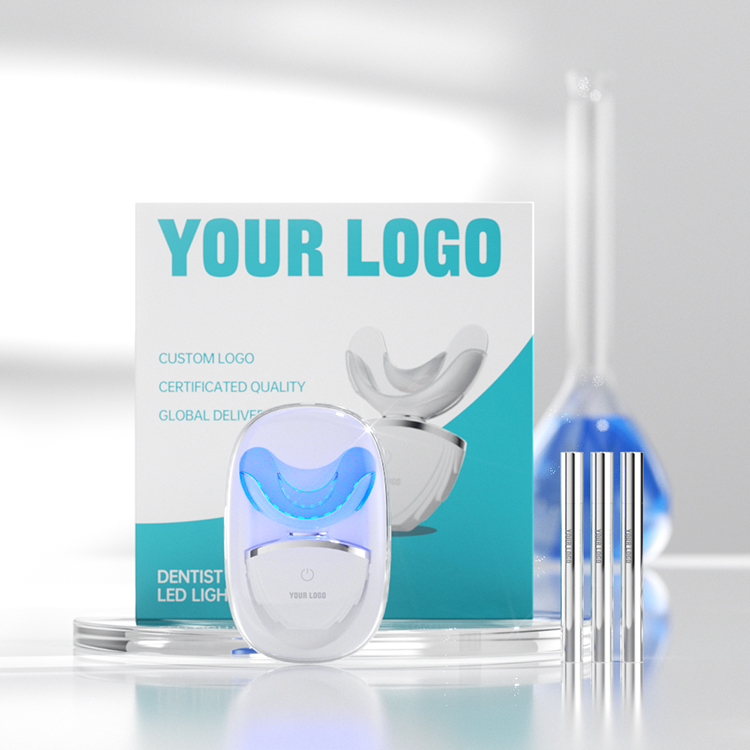
Results fade without upkeep, and this whitening maintenance schedule guide shares a simple routine to keep your whitened smile bright and prevent results from fading. After professional or at-home whitening, your teeth are more prone to staining, so consistent maintenance is critical to lock in your bright smile. For whitening maintenance products, visit https://www.powsmart.com/.

Daily Whitening Maintenance Routine

First, follow these daily steps to prevent new stains:
  • Brush twice a day: Use a fluoride toothpaste to remove surface plaque and prevent staining.
  • Floss daily: Remove food particles from between teeth to avoid discoloration and cavities.
  • Avoid staining foods/drinks: Cut back on coffee, tea, wine, tobacco, and dark-colored foods (like berries and soy sauce) to prevent new stains.
  • Rinse with water: After eating or drinking staining foods, rinse your mouth with water to wash away tannins and acid.

Weekly Whitening Maintenance Routine

Furthermore, these weekly steps boost and maintain your brightness:
  • Use whitening toothpaste: 1–2 times a week, use a mild abrasive whitening toothpaste to lift surface stains without damaging enamel.
  • Touch-up whitening strips: If you have at-home strips, use them once a week for 30 minutes to maintain your brightness (follow your dentist’s instructions).
  • Deep clean your teeth: Use your electric toothbrush’s deep clean mode once a week to remove plaque and debris from hard-to-reach areas.

Monthly Whitening Maintenance Routine

In addition, these monthly steps keep your smile bright long-term:
  • Professional touch-up whitening: Visit your dentist every 3–6 months for a short touch-up session to boost your brightness.
  • Dental cleanings: Get a professional cleaning every 6 months to remove tartar and surface stains, making your teeth look brighter naturally.
  • Check for sensitivity: If you experience tooth sensitivity, reduce the frequency of whitening treatments and use a desensitizing toothpaste.

Long-Term Whitening Maintenance Tips

In addition, these habits support long-term brightness:
  • Avoid smoking: Tobacco is one of the top causes of tooth staining, so quitting smoking is the best way to keep your smile bright.
  • Drink through a straw: This reduces contact between staining drinks and your front teeth, minimizing discoloration.
  • Touch up before events: Use a whitening pen or strips 1–2 weeks before a special occasion to boost your brightness temporarily.
In conclusion, this whitening maintenance schedule guide helps you keep your whitened smile bright for years. Follow a consistent daily, weekly, and monthly routine to prevent new stains and maintain your results. For more whitening maintenance tips, visit https://www.webmd.com/oral-health/teeth-whitening-overview.