
Introduction
In modern teeth whitening systems, the synergy between whitening gel formulation and device technology plays a critical role in treatment effectiveness. One important factor is Gel Viscosity Control, which determines how well the whitening gel stays in place and interacts with light activation devices. When paired with a Portable Whitening Lamp, proper Gel Viscosity Control helps ensure consistent coverage, efficient light activation, and a more comfortable user experience. For OEM and private label manufacturers, optimizing the relationship between Gel Viscosity Control and a Portable Whitening Lamp is essential for delivering reliable whitening performance.
Ensuring Proper Gel Retention on Teeth
One of the main functions of Gel Viscosity Control is to ensure that the whitening gel remains evenly distributed on the tooth surface.
When used with a Portable Whitening Lamp, a gel with the correct viscosity prevents dripping or displacement, allowing the light energy to interact effectively with the whitening ingredients.
Improving Light Activation Efficiency
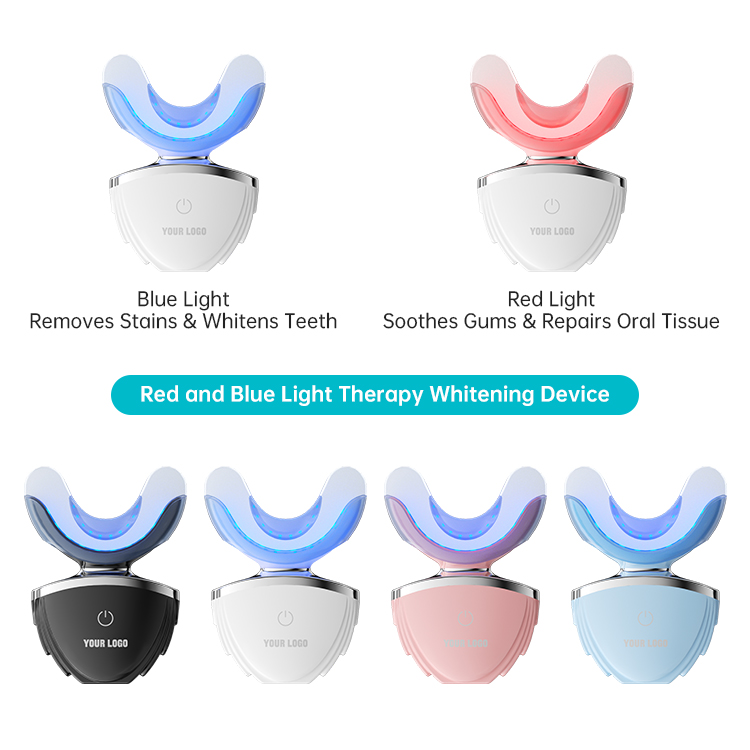
A Portable Whitening Lamp works by emitting light that can enhance or accelerate the whitening process.
If the gel consistency is too thin or uneven, the light from the Portable Whitening Lamp may not interact efficiently with the whitening compounds. Proper Gel Viscosity Control helps maintain an optimal gel layer that supports consistent light exposure.
Enhancing User Comfort and Application Accuracy
User comfort is another important consideration in whitening treatments. With optimized Gel Viscosity Control, the gel can be applied smoothly without excessive flow or mess.
When used alongside a Portable Whitening Lamp, this controlled texture ensures the gel stays precisely where it is applied, improving both convenience and treatment precision.
Supporting Stable Formula Performance
A whitening gel must maintain stability during storage and use. Gel Viscosity Control contributes to the stability of the formulation by preventing ingredient separation.
This stability is particularly important when the gel is activated by a Portable Whitening Lamp, as consistent gel properties.
Improving Compatibility with Whitening Accessories
Many whitening systems include trays, applicators, or mouthpieces. Proper Gel Viscosity ensures the gel works effectively with these accessories.
When combined with a Portable Whitening Lamp, the controlled gel texture helps maintain uniform.
Supporting OEM Innovation and Product Differentiation
For manufacturers and private label brands, optimizing Gel Viscosity can create significant product advantages.
When a well-formulated gel is paired with a Portable Whitening Lamp, the whitening system becomes more efficient, user-friendly, and reliable. This combination allows OEM manufacturers to develop differentiated whitening kits. Contact us
.jpg)
