Introduction
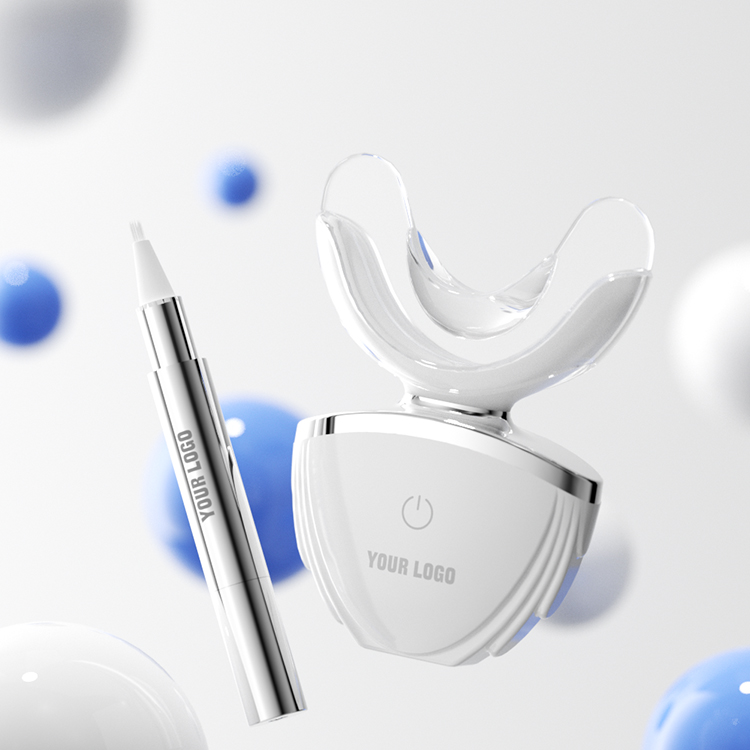
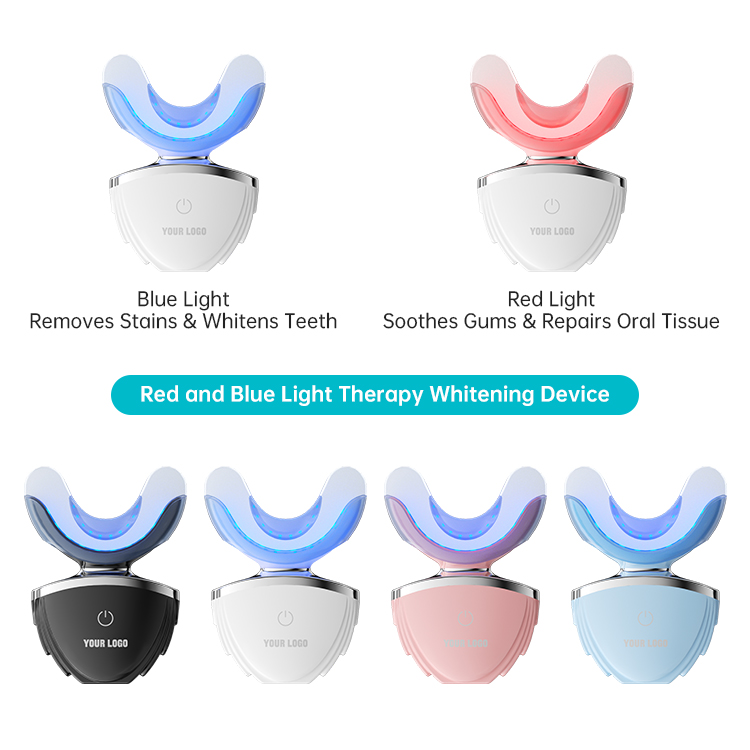
In modern teeth whitening systems, light-activated technologies are often used to enhance the effectiveness of whitening formulas. One of the key components in such systems is the Blue Laser Diode, which emits light at a specific wavelength to activate certain ingredients within the whitening formula. To achieve optimal results, the Blue Laser Diode must be carefully calibrated to match the chemical properties of the Whitening Serum Base. Proper calibration ensures that the light energy effectively triggers the whitening reaction while maintaining safety and consistent performance.
Matching Wavelength with the Whitening Formula
Different whitening formulas respond to specific light wavelengths. The Blue Laser Diode is typically selected because its wavelength range can effectively interact with photo-reactive agents found in a Whitening Serum Base.
Calibration involves adjusting the Blue Laser Diode output so that the emitted wavelength aligns with the activation range of the Whitening Serum Base, allowing the formula to perform efficiently.
Controlling Light Intensity for Safe Activation
The intensity of the light source plays an important role in the whitening process. Excessive intensity may cause discomfort, while insufficient intensity may not activate the whitening ingredients effectively.
During calibration, the Blue Laser Diode adjusted to deliver an appropriate level of light energy that activates the Whitening Serum Base without exceeding safe exposure limits.
Synchronizing Exposure Time with Chemical Reaction
The whitening reaction between light and the Whitening Serum Base depends not only on wavelength but also on exposure duration.
Manufacturers calibrate the Blue Laser Diode to operate within a specific timing cycle so that the light exposure corresponds with the optimal reaction time of the Whitening Serum Base.
Ensuring Uniform Light Distribution
Even activation of the whitening formula requires consistent light coverage across the treatment area.
Proper calibration of the Blue Laser Diode ensures that the emitted light spreads evenly across the dental tray or whitening surface, enabling the Whitening Serum Base to activate uniformly.
Testing Compatibility During Product Development
Before launching a whitening device, manufacturers conduct testing to confirm compatibility between the Blue Laser Diode and the selected Whitening Serum Base.
These tests evaluate parameters such as activation efficiency, temperature control, and whitening performance to ensure the system works as intended.
Supporting Compliance and Product Safety
Because teeth whitening devices interact with oral tissues and chemical formulas, safety standards are essential.
Calibrating the Blue Laser Diode to the correct operating parameters ensures that the Whitening Serum Base activated safely while meeting relevant device and cosmetic product guidelines.
Conclusion
The effectiveness of a light-assisted whitening system depends heavily on the relationship between the light source and the whitening formula. By carefully calibrating a Blue Laser Diode to match the characteristics of a Whitening Serum Base, manufacturers can ensure efficient activation, consistent results, and safe operation. For OEM developers and oral care brands, precise calibration is a key step in creating reliable and high-performance teeth whitening solutions. Contact us