Experiencing discomfort after whitening? This guide breaks down whitening sensitivity causes solutions to protect your teeth. Sensitivity is a common side effect of whitening, but it’s manageable with the right care. For enamel-safe whitening products, visit https://www.powsmart.com/.
Why Whitening Causes Sensitivity
First, sensitivity happens for three key reasons:
- Enamel erosion: Whitening gels open tiny pores in your enamel. This allows cold, hot, or sweet stimuli to reach the sensitive dentin layer underneath.
- Gum irritation: Over-application of whitening gel can irritate gums. This leads to temporary sensitivity and redness.
- Pre-existing conditions: People with thin enamel or receding gums are more prone to sensitivity during whitening.
How to Treat Post-Whitening Sensitivity
Furthermore, these solutions reduce discomfort quickly:
- Use a desensitizing toothpaste: Products with potassium nitrate block pain signals. They provide relief within 24–48 hours.
- Avoid trigger foods: Skip cold drinks, hot coffee, and acidic foods for 24–48 hours after whitening.
- Apply a fluoride gel: Dentists can apply a fluoride treatment to seal enamel pores. This reduces sensitivity immediately.
How to Prevent Sensitivity During Whitening
In addition, follow these steps to minimize risk:
- Start with low-concentration whitening gels (3–6% hydrogen peroxide). This reduces enamel irritation.
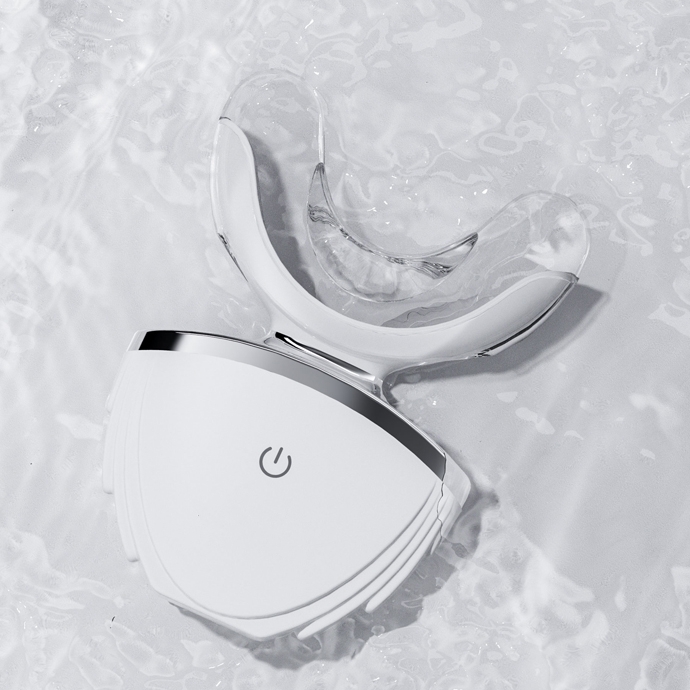
- Use a custom-fitted tray. It ensures even coverage and avoids over-application of gel.
- Consult your dentist first. They can assess your enamel health and recommend the safest whitening method.
In conclusion, whitening sensitivity causes solutions are clear and actionable. You can prevent and treat post-whitening pain with the right care. For more whitening tips, visit https://www.webmd.com/oral-health/teeth-whitening-overview.

.jpg)
