Introduction
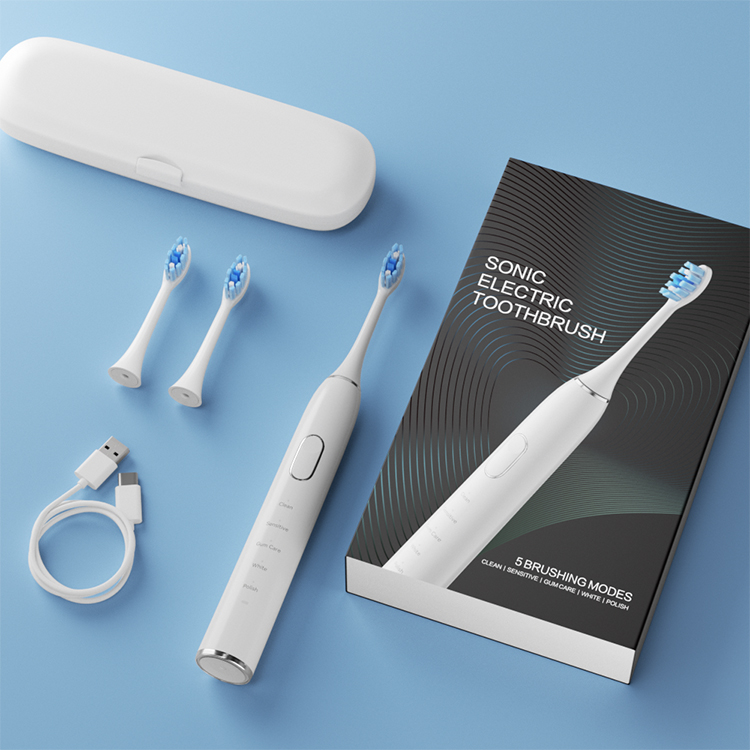
In oral care device manufacturing, exterior design is not only about appearance—it directly impacts usability, safety, and brand positioning. A precisely engineered Ergonomic Handle Mold becomes even more critical when combined with Anti-slip Grip Material, as both structural form and surface texture must work together. For OEM/ODM manufacturers, the synergy between mold design and grip material determines user comfort, production efficiency, and long-term product durability.
Defining Natural Hand Position and Comfort
An Ergonomic Handle Mold shapes the core structure of the device, determining how naturally it fits into the user’s hand. When Anti-slip Grip Material is applied to this ergonomic contour, it enhances control without requiring excessive grip force.
This combination ensures:
- Reduced hand fatigue during brushing
- Improved maneuverability
- Enhanced comfort for extended use
Ergonomic geometry provides the foundation for grip performance.
Maximizing Anti-slip Performance Through Structural Support
Anti-slip Grip Material alone cannot guarantee stability if the underlying mold lacks proper curvature or finger placement zones. The Ergonomic Handle Mold must be designed with dedicated grip areas that optimize material adhesion and friction.
Design considerations include:
- Textured surface zones
- Thumb and finger contour alignment
- Balanced weight distribution
The mold determines how effectively the Anti-slip Grip Material performs in wet environments.
Improving Waterproof Integration and Durability
In electric toothbrushes and oral irrigators, waterproof performance is essential. The Ergonomic Handle Mold must accommodate over-molding or dual-shot injection processes when applying Anti-slip Grip Material.
This structural planning allows:
- Seamless bonding between hard plastic and soft grip layers
- Reduced risk of peeling or separation
- Long-term durability under humidity exposure
Proper mold design ensures material compatibility and structural integrity.
Enhancing Production Efficiency in OEM Manufacturing
From a B2B perspective, an optimized Ergonomic Handle Mold simplifies mass production. Accurate mold tolerances improve the precision of Anti-slip Grip Material application, reducing production defects.
Manufacturing benefits include:
- Higher assembly consistency
- Lower material waste
- Faster production cycles
Efficient mold engineering improves overall cost control.
Supporting Brand Differentiation Through Design Innovation
An Ergonomic Handle Mold enables creative branding opportunities. When paired with Anti-slip Grip Material in customized colors or textures, it enhances visual appeal while maintaining functionality.
This design flexibility supports:
- Premium product positioning
- Market differentiation
- Custom private label solutions
Form and function together create stronger brand identity.
Ensuring Safety in Wet and Daily-use Environments
Oral care devices are frequently used in bathrooms where moisture is present. The combination of an Ergonomic Handle Mold and Anti-slip Grip Material significantly reduces accidental slips.
Safety advantages include:
- Secure handling with wet hands
- Reduced drop-related damage
- Improved user confidence
Structural ergonomics directly influence everyday safety performance.
Conclusion
An optimized Ergonomic Handle Mold plays a foundational role when integrating Anti-slip Grip Material in oral care device manufacturing. While the grip material enhances surface friction, the mold defines comfort, stability, durability, and production efficiency.Contact us