Introduction
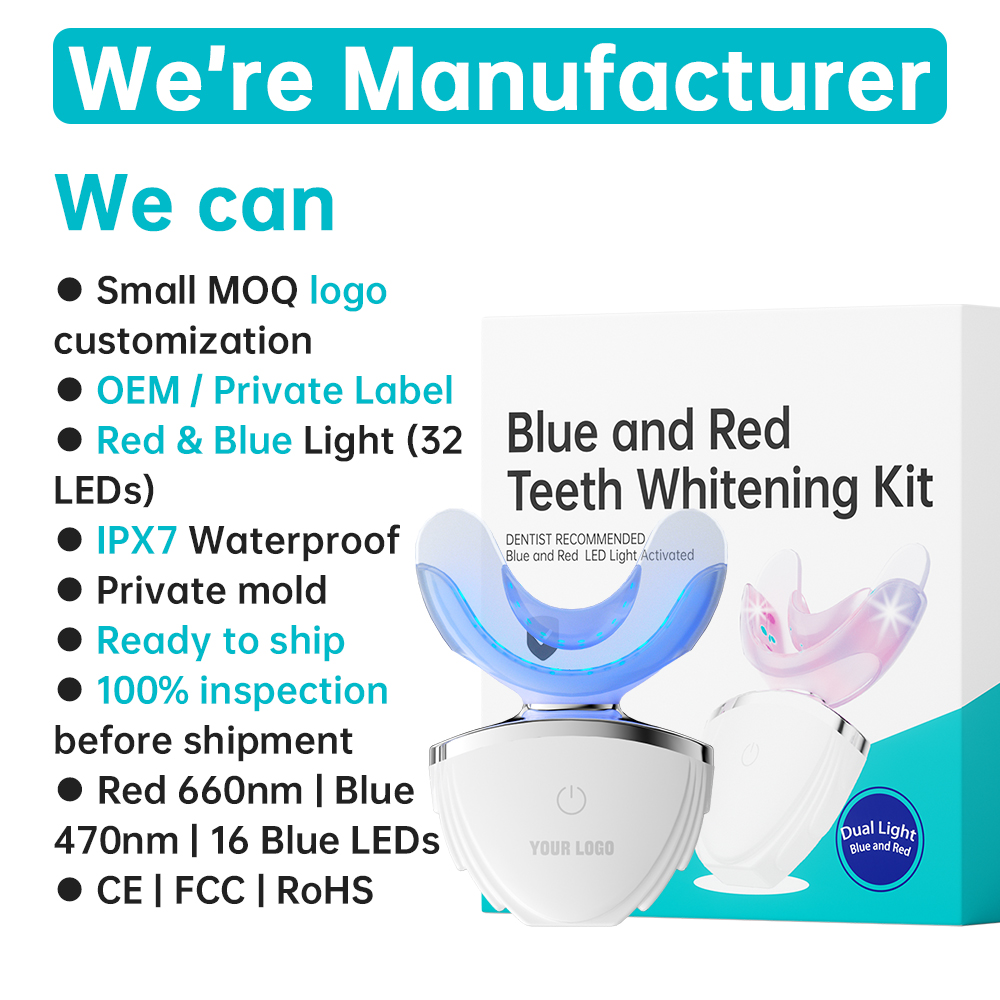
In professional and home-use teeth whitening systems, the interaction between the LED Whitening Lamp and the Whitening Gel Formulation plays a critical role in determining both efficacy and safety. For OEM/ODM manufacturers, understanding how light energy activates gel chemistry is essential for developing reliable, compliant, and market-ready whitening solutions.
Matching LED Wavelength to Gel Activation Requirements
Effective whitening begins with selecting an LED wavelength that aligns with the photo-reactive components of the Whitening Gel Formulation. A properly engineered LED Whitening Lamp ensures optimal light absorption, accelerating stain breakdown without unnecessary heat generation.
Controlling Light Intensity for Consistent Performance
Uniform light output across the treatment area is essential for predictable whitening results. Precision-controlled LEDs help activate the Whitening Gel Formulation evenly, reducing the risk of inconsistent shade outcomes or localized overexposure.
Supporting Thermal Management and User Comfort
Advanced LED Whitening Lamp designs incorporate thermal control to prevent excessive temperature rise. This protects the stability of the Whitening Gel Formulation while maintaining enamel safety and improving overall user comfort during treatment.
Enhancing Gel Efficiency Through Timed Light Exposure
When combined with built-in timers or smart control modules, LED systems can deliver the exact exposure duration required for the Whitening Gel Formulation to perform effectively. This improves whitening efficiency while minimizing unnecessary gel degradation.
Ensuring Compatibility Across Multiple Gel Concentrations
Different markets and regulatory regions require varying gel strengths. A well-designed LED Whitening Lamp supports a range of Whitening Gel Formulation concentrations, enabling OEMs to adapt products for professional, cosmetic, or home-use segments.
Supporting Regulatory Compliance and OEM Customization
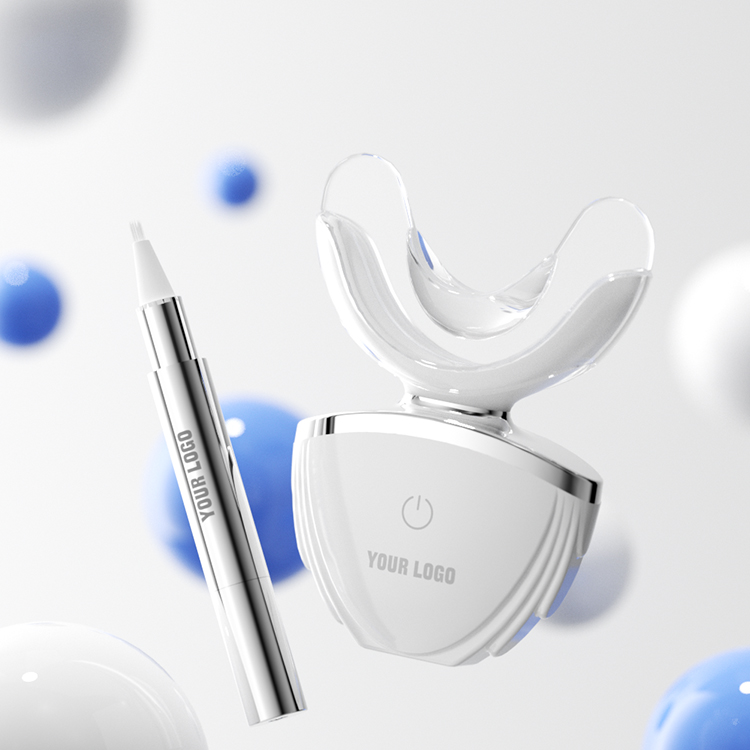
From a B2B perspective, the integration of LED optics and gel chemistry must align with global safety and cosmetic regulations. Manufacturers that engineer LED Whitening Lamp systems specifically around their Whitening Gel Formulation can streamline certification and support flexible OEM/ODM customization.
Conclusion
A well-matched LED Whitening Lamp does more than illuminate—it precisely activates the Whitening Gel Formulation to deliver safe, effective, and repeatable whitening results. For OEM and ODM partners, this synergy is a key foundation for developing high-performance whitening devices that meet both market expectations and regulatory standards. Contact us

.jpg)
