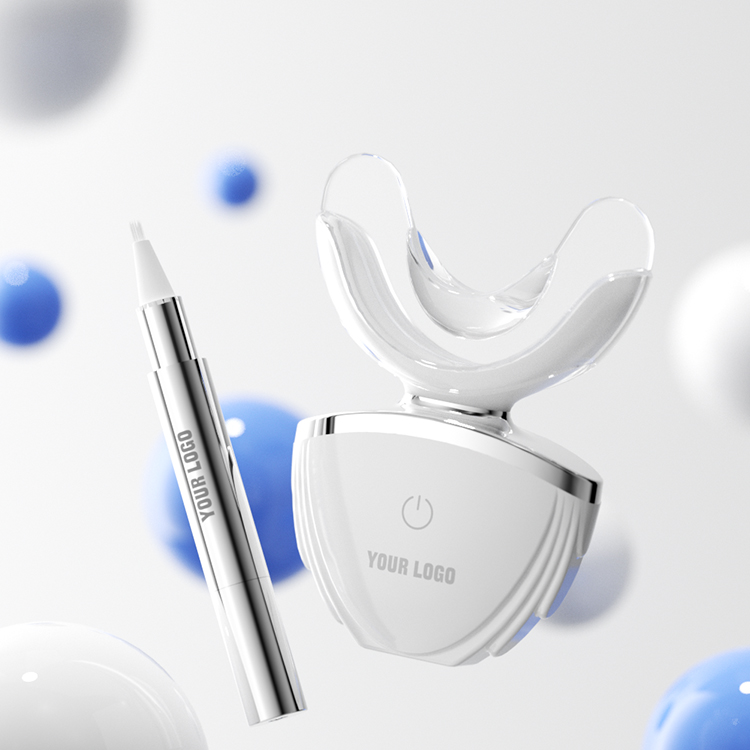
whitening gel compatibility device represents a critical topic for brands that develop LED or heat-assisted whitening systems for retail or professional markets. Distributors, importers, and brand owners want predictable performance across multiple gel formulas, because compatibility issues often increase warranty risk and customer complaints. Therefore, a structured evaluation and lifecycle approach is essential when working with an OEM manufacturing partner.
Why Gel–Device Fit Matters in B2B Supply Chains
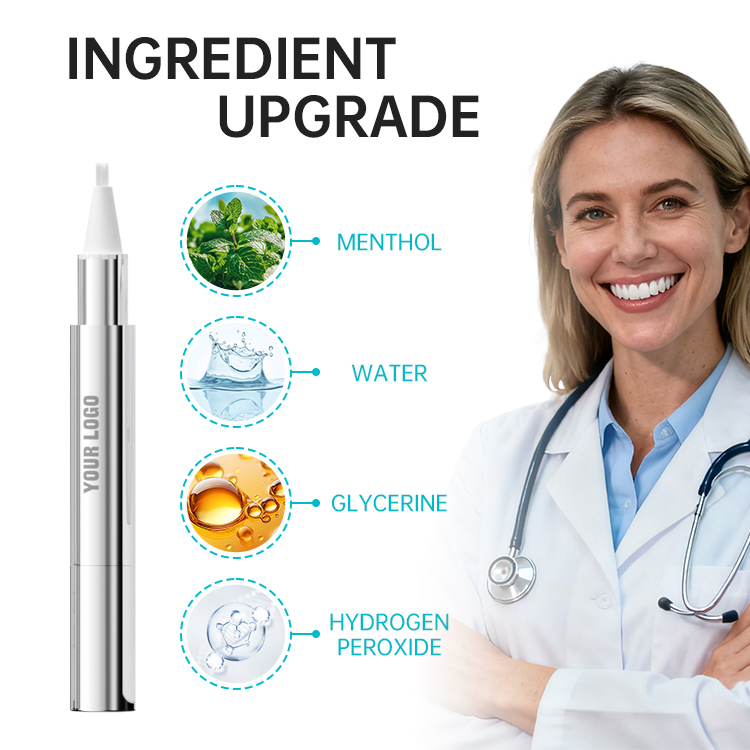
When whitening devices reach the market, various whitening gels may be used. Some include hydrogen peroxide, others use carbamide peroxide, and many brands choose PAP-based formulations. However, each material interacts differently with LED wavelength, heat output, tray material, and enclosure sealing. Consequently, poor matching may reduce whitening efficiency or accelerate component wear. Brands in global markets prefer to minimize variability before launch, rather than solving product issues afterward.
Engineering Controls for Better Whitening System Integration
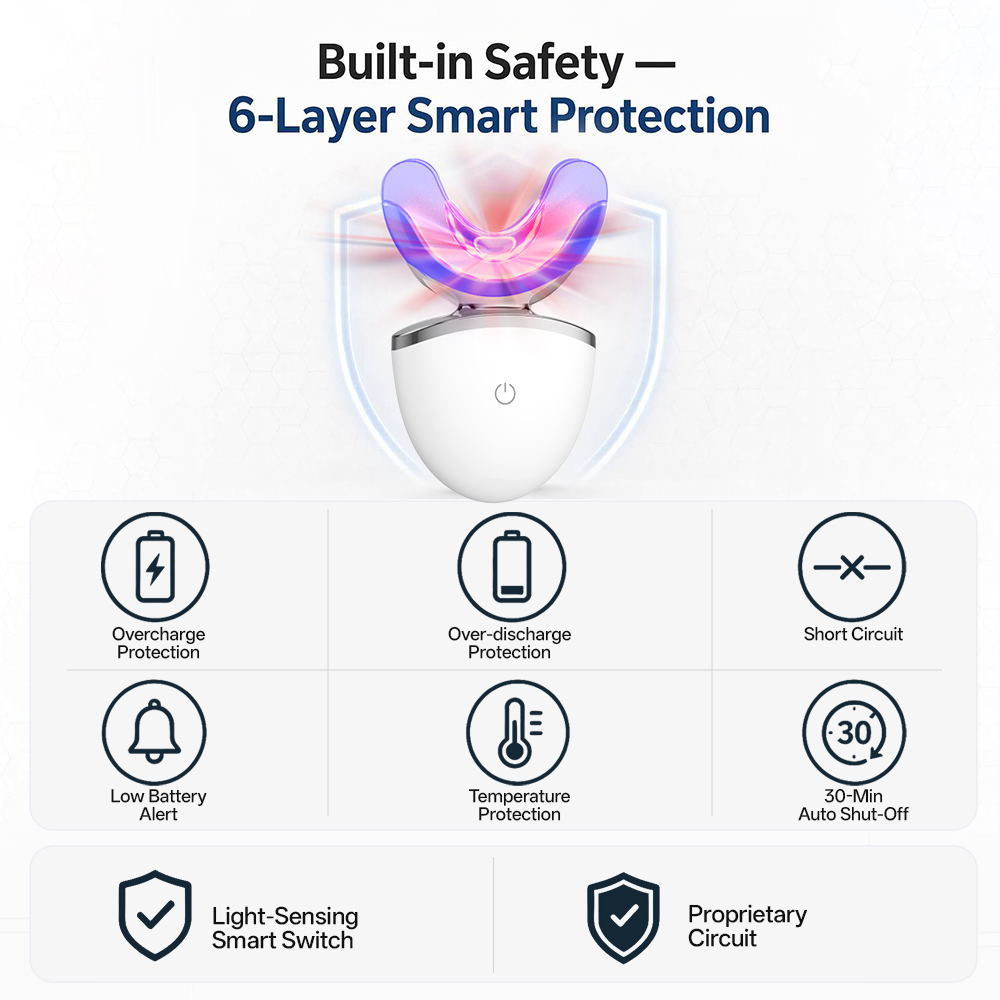
Experienced OEM factories run stability and compatibility simulations, and they also test different viscosities and pH conditions. Moreover, design teams often check whether the device material slowly absorbs gel, whether seals degrade, or whether heat worsens gel oxidation. In addition, engineering should confirm that electronic components remain protected from repeated gel exposure. A reliable partner advises on formulation tolerances rather than simply assembling components.
Testing and Regulatory Expectations
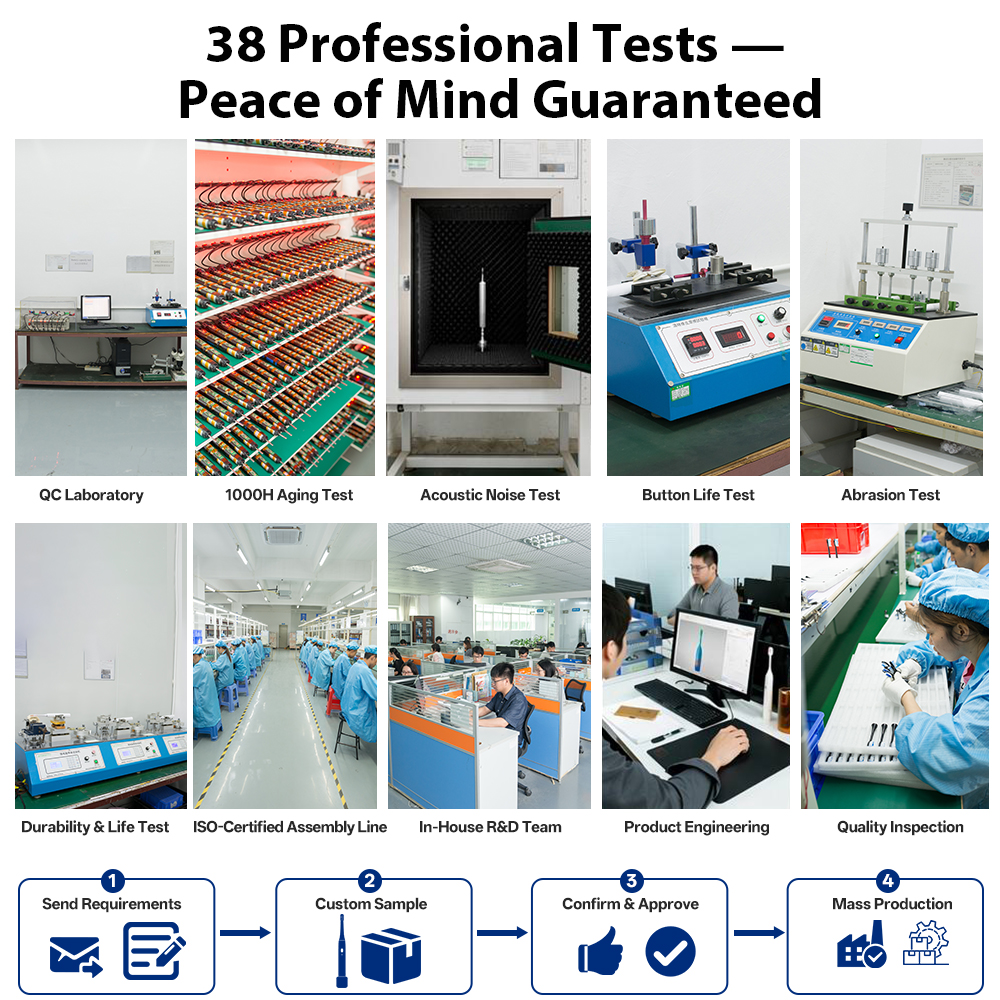
International distributors want repeatable documentation. Therefore, compatibility testing should sit alongside electrical safety, EMC, and biocompatibility reports. Markets such as the EU and UK expect solid quality systems and traceability. Although the gel is regulated separately, authorities still expect a responsible technical file for the device, supported by risk assessments that consider whitening chemistry. For additional reference, you can review oral-care guidance available from the American Dental Association at https://www.ada.org.
OEM Collaboration and Supply Stability
Strong OEM programs also include packaging barrier testing, transit simulation, and end-user temperature variation analysis. Furthermore, the supplier should support controlled pilot runs before mass production. These measures reduce returns, enhance brand trust, and protect price positioning. If you want to review compatible device options, you can find product references at https://www.powsmart.com/products.
Middle-Stage Keyword Placement
For buyers, the second appearance of whitening gel compatibility device usually happens during validation and procurement review, when teams compare technical reports, material certificates, and user-experience results.
After-Sales Considerations
Meanwhile, customer support planning matters. Clear usage guidance, shelf-life communication, and documented cleaning procedures improve long-term satisfaction. Therefore, B2B purchasers benefit from a partner who understands both whitening chemistry and durable product engineering.
In conclusion, selecting an OEM that prioritizes engineering controls, material validation, and regulatory readiness ensures stable market performance. Because long-term brand equity depends on reliability, it makes sense to treat whitening gel compatibility device as a core purchasing evaluation topic and not only as a marketing label. Finally, every successful launch should end with the same focus: whitening gel compatibility device.