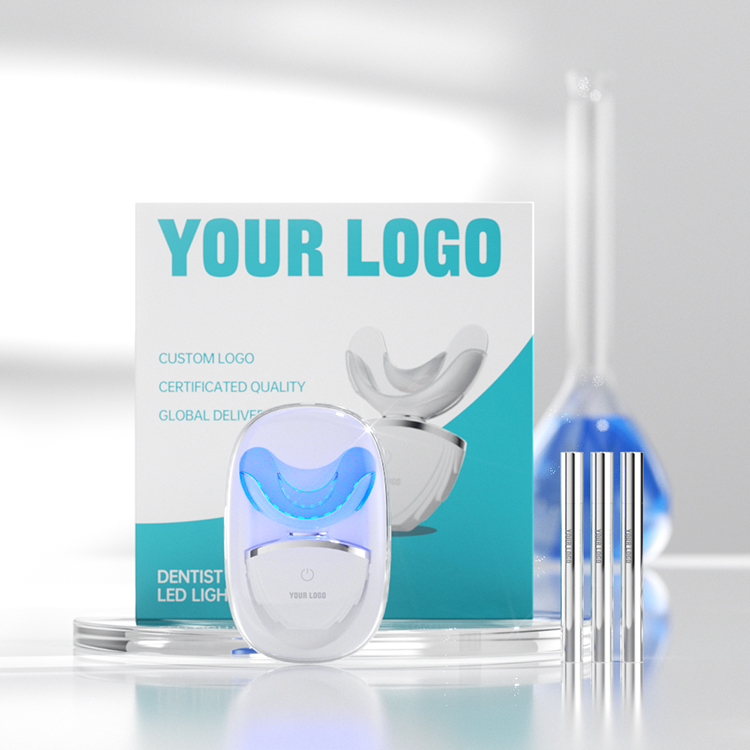
In modern whitening systems, reducing Chromatic Aberration plays a crucial role in improving overall Luminescence Efficiency. As light-based whitening becomes more advanced, device manufacturers are seeking ways to deliver more uniform, concentrated energy to accelerate peroxide activation and enhance whitening results. Controlling optical distortion is now essential for achieving higher performance and greater treatment consistency.
Understanding Chromatic Aberration in Whitening Devices
Chromatic aberration occurs when different wavelengths of light fail to converge at the same focal point. In whitening devices that rely on LED or laser illumination, this optical distortion disperses energy unevenly across the treatment surface, reducing the effectiveness of light-activated whitening gels.
How Aberration Reduction Enhances Energy Delivery
When Chromatic Aberration is minimized, the emitted light maintains a tighter beam profile. This ensures that more of the light energy reaches the peroxide gel in a focused manner, increasing local photon density. The result is improved Luminescence Efficiency, allowing whitening reactions to occur more rapidly and consistently.
Improved Luminescence Efficiency Supports Faster Peroxide Activation
Higher Luminescence Efficiency means more effective stimulation of the whitening gel’s active ingredients. By delivering light with minimal distortion, manufacturers ensure that chromophore breakdown occurs more efficiently, boosting the rate at which stains oxidized and removed from the enamel.
Optical Lens and Diffuser Design as Key Engineering Elements
Reducing chromatic aberration relies heavily on advanced lens geometries and material choices. Multi-layer coatings, aspheric lenses, and optimized diffuser patterns help align wavelengths more precisely. These engineering improvements maximize optical clarity and reduce light scattering, contributing directly to luminescence optimization.
Enhancing Device Consistency and Clinical Reliability
Whitening devices with low chromatic distortion exhibit more predictable light output over time. This stability not only improves treatment accuracy but also ensures consistent whitening performance across multiple sessions. Manufacturers benefit from stronger quality control and better perception of device reliability in both professional and consumer markets.
Critical for Next-Gen Whitening Technologies
As the whitening industry pushes toward shorter treatment times, safer energy exposures, and more uniform results, minimizing Chromatic Aberration becomes increasingly important. A device with high Luminescence Efficiency can deliver superior outcomes with lower power consumption, enabling more compact, portable, and cost-effective designs.
Conclusion
Minimizing Chromatic Aberration is a direct pathway to enhancing Luminescence Efficiency in modern whitening devices. For manufacturers, optimizing optical precision leads to stronger whitening performance, improved safety, and a clear competitive advantage in the rapidly evolving whitening technology landscape. Contact us
1-1024x683.jpg)
.jpg)
