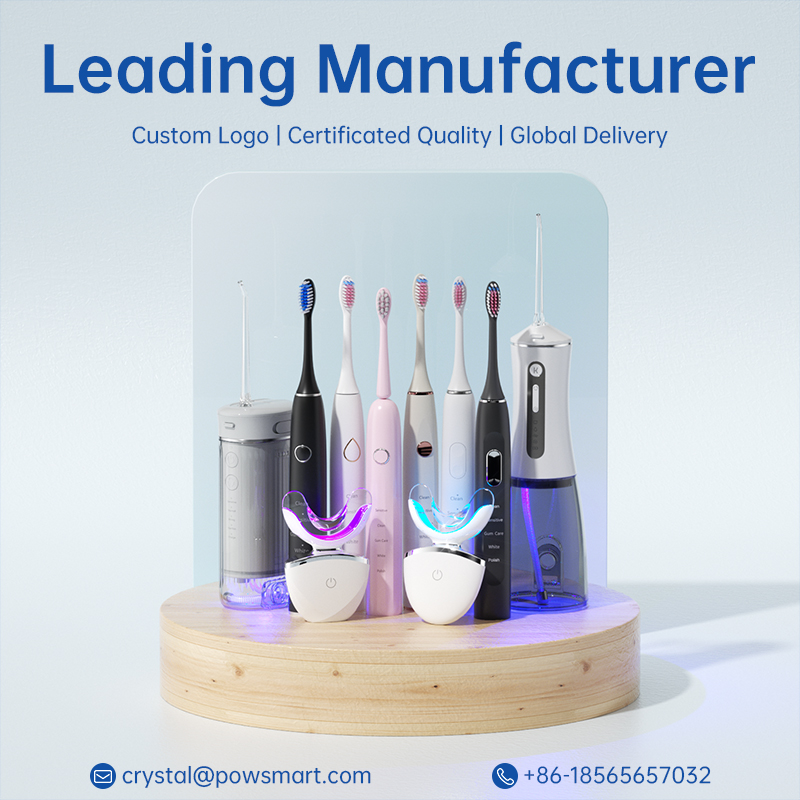
In an increasingly competitive oral-care market, brands exploring new product lines often ask one core question during development: Do all electric toothbrushes use the same charger? The short answer is no—and this difference opens important opportunities for brand positioning, cost control, and ecosystem thinking. For companies partnering with OEM/ODM factories, understanding charging compatibility is a strategic advantage rather than a technical detail. Below is a six-section deep dive designed to help oral-care brands build smarter products, reduce manufacturing friction, and design a stronger product ecosystem.
Why Charging Compatibility Matters More Than Ever
Electric toothbrushes have evolved rapidly, and so have charging systems—USB direct charging, inductive base charging, magnetic chargers, and proprietary fast-charge docks.
Because not all electric toothbrushes share the same charger, brands must consider:
-
Replacement part sales
-
User convenience
-
Cross-product compatibility
-
Long-term cost of tooling
For brands, charger choice is not simply engineering—it’s part of the overall OEM strategy.
Understanding Today’s Electric Toothbrush Charger Standards
While some markets lean toward USB-C or wireless inductive systems, others remain open to brand-specific formats. OEM factories typically support:
-
Shared charger platforms (e.g., USB-C, inductive Qi-style coils)
-
Custom chargers for higher water-resistance or brand-exclusive design
-
Low-cost legacy chargers for entry-level SKUs
Each impacts unit cost, tooling investment, certification requirements, and packaging. Selecting the right format at the start avoids costly redesigns later.
How Charger Decisions Influence Your Product Ecosystem
A brand’s product ecosystem is one of the most powerful tools for retention and repeat sales.
Choosing a shared charger platform across multiple models allows:
-
Simplified inventory and logistics
-
Bundle and accessory upsell opportunities
-
Easier expansion into water flossers, kids toothbrushes, or portable models
-
Reduced customer confusion and support ticket volume
Conversely, premium brands may prefer a custom electric toothbrush charger design to create exclusivity. OEM manufacturers can support both approaches—making ecosystem planning a key early discussion.
OEM Strategy: Balancing Cost, Innovation, and Differentiation
Effective OEM strategy means aligning engineering decisions with brand positioning. Charger format helps determine:
-
Waterproofing grade (IPX7/IPX8)
-
Battery capacity and charge time
-
Material choices and footprint
-
Mold complexity and MOQ levels
A reliable factory partner will provide technical trade-offs and guide charger selection to match your market segment.
Working With Manufacturers: What Brands Should Ask
To avoid setbacks during development, every brand should ask their OEM/ODM partner:
-
Which charger options fit my target price range?
-
Can multiple product lines share the same charger base?
-
What certification standards apply in my target countries?
-
How does the charger impact waterproofing and reliability testing?
-
Can the factory support custom tooling for exclusive designs?
Clear communication early on ensures smoother mass production and a stronger end-user experience.
Strategic Takeaway for Brands Entering the Category
Not all electric toothbrushes use the same charger—and that’s a good thing.
This flexibility allows brands to:
-
Build a cohesive product ecosystem
-
Choose a market-appropriate charging solution
-
Balance cost and innovation
-
Create clear product differentiation
-
Partner with OEMs that match their long-term vision
In short, your choice of electric toothbrush charger is a foundational branding decision—not just a technical one.

.jpg)
