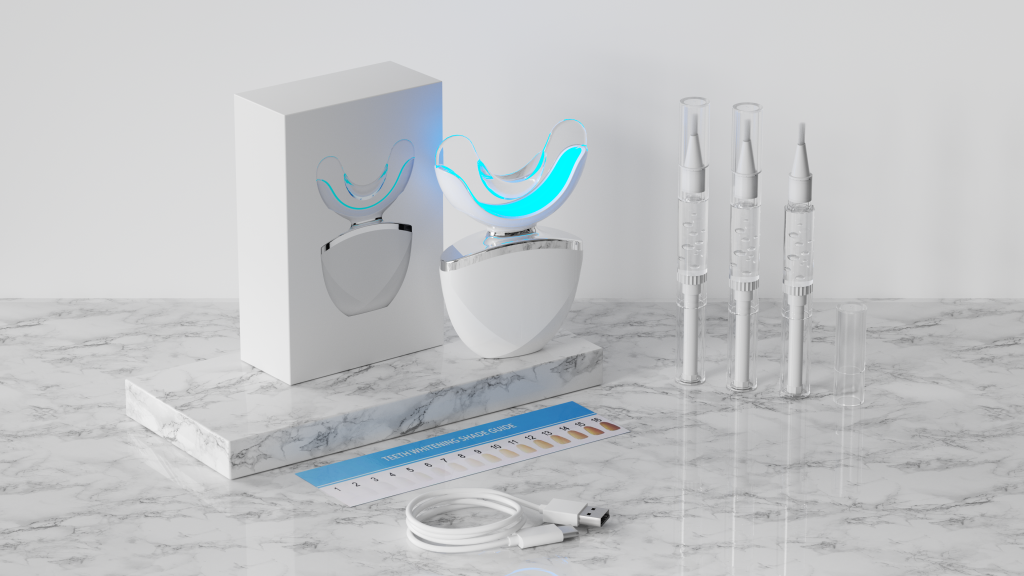
As global demand for cosmetic oral care continues to rise, a professional Teeth Whitening Supplier plays a critical role in ensuring that every whitening product meets the necessary Whitening Kit Certification standards. Certification is essential not only for regulatory compliance but also for consumer trust, product safety, and long-term brand credibility. For distributors, retailers, and OEM partners, working with a supplier that prioritizes certification guarantees a safer and more reliable whitening experience for customers.
Strict Ingredient Compliance With International Regulations
A reputable Teeth Whitening Supplier carefully selects and tests all ingredients to meet regional regulatory requirements such as FDA, CE, CPNP, or ISO standards. For Whitening Kit Certification, suppliers must verify peroxide concentration limits, gel composition, and safety thresholds to ensure products are safe for both professional and at-home use.
Comprehensive Safety and Stability Testing
To secure certification, whitening gels, LED lights, trays, and applicators undergo extensive laboratory testing. This includes stability testing, microbial analysis, material safety evaluations, and irritation assessments. A reliable supplier ensures that each component meets the safety criteria needed for Whitening Kit Certification, ensuring consistent performance throughout the product’s shelf life.
Documented Quality Control Throughout Production
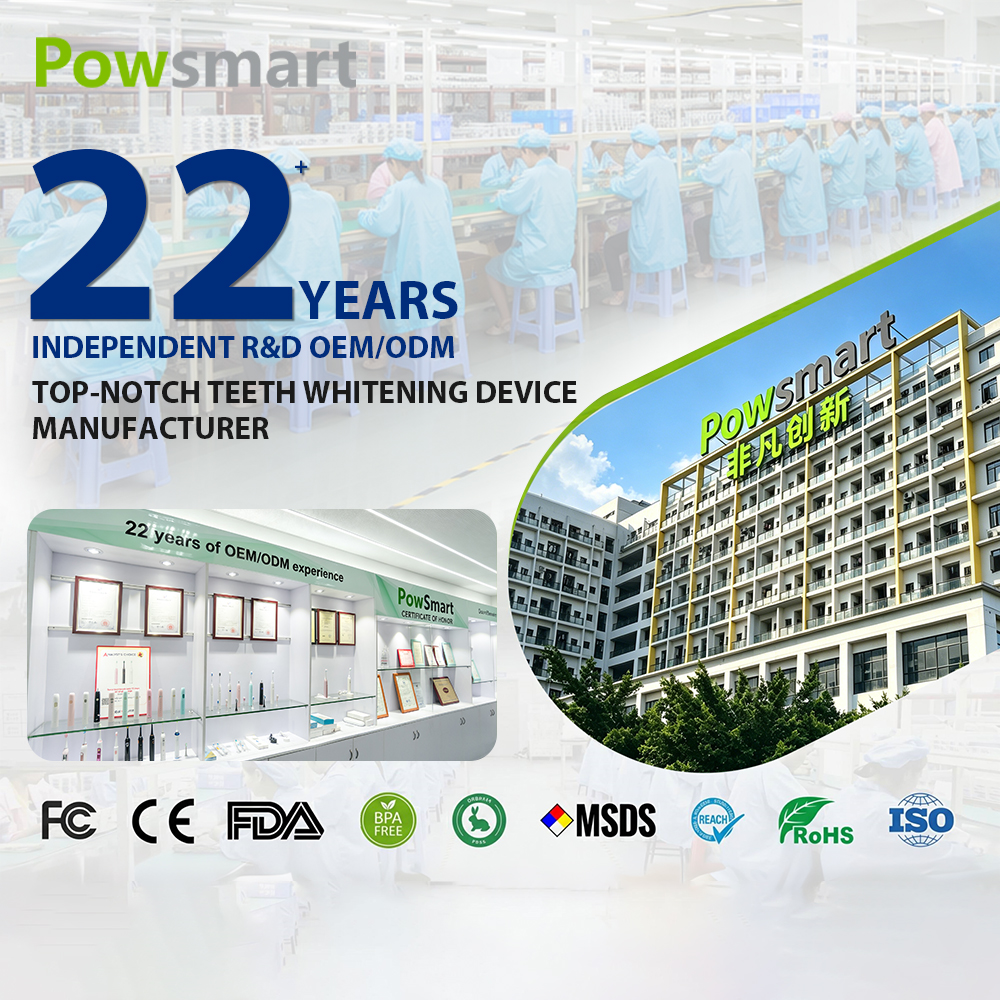
Certification requires traceability and strict quality documentation. Leading suppliers use standardized QC procedures, batch tracking, and inspection reports to monitor product consistency. A professional Teeth Whitening Supplier provides detailed compliance documents such as MSDS, COA, GMP-based production records, and test reports.
Compliance With Packaging and Labeling Requirements
Proper labeling is a key component of Whitening Kit Certification. Suppliers must ensure packaging includes necessary warnings, ingredient lists, usage instructions, and shelf-life details. Compliant packaging not only meets regulatory mandates but also enhances consumer safety and reduces the risk of misuse.
Collaboration With Accredited Testing Laboratories
Trusted suppliers partner with certified third-party laboratories to validate product safety and efficiency. These labs perform independent testing to confirm claims such as whitening intensity, LED light safety, and gel compatibility. Working with accredited labs strengthens the legitimacy of the Whitening Kit Certification process.
Customized Compliance Support for International Distributors
Different countries have different certification requirements. A professional Teeth Whitening Supplier provides tailored compliance support—including filing assistance, technical documentation, and product adaptation—to help distributors enter multiple international markets efficiently. This helps brands avoid delays in product launches and ensures long-term regulatory alignment.
Conclusion
Securing Whitening Kit Certification is a crucial step for any brand entering the whitening industry. By partnering with a responsible and experienced Teeth Whitening Supplier, businesses can ensure product safety, build consumer trust, and confidently expand into global markets. With strict quality control, comprehensive testing, and regulatory expertise, certified whitening kits deliver both safety and performance. Contact us
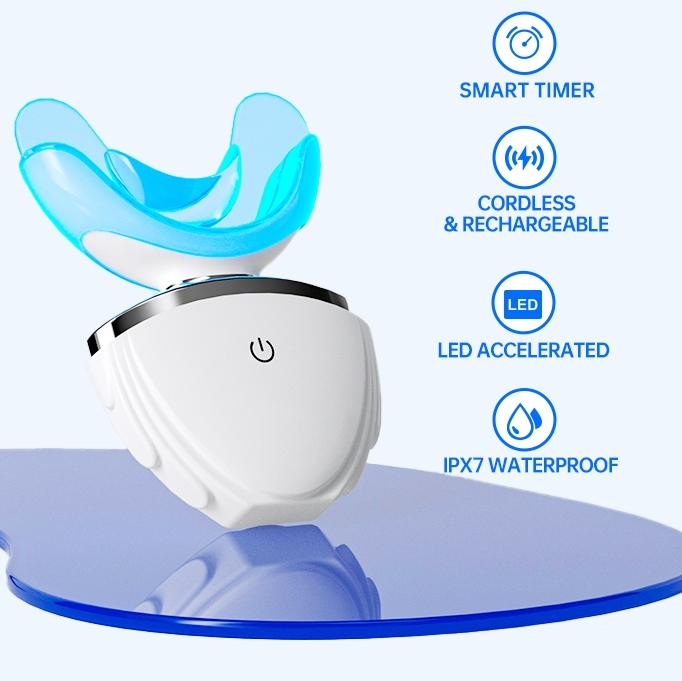
Teeth whitener
.jpg)
