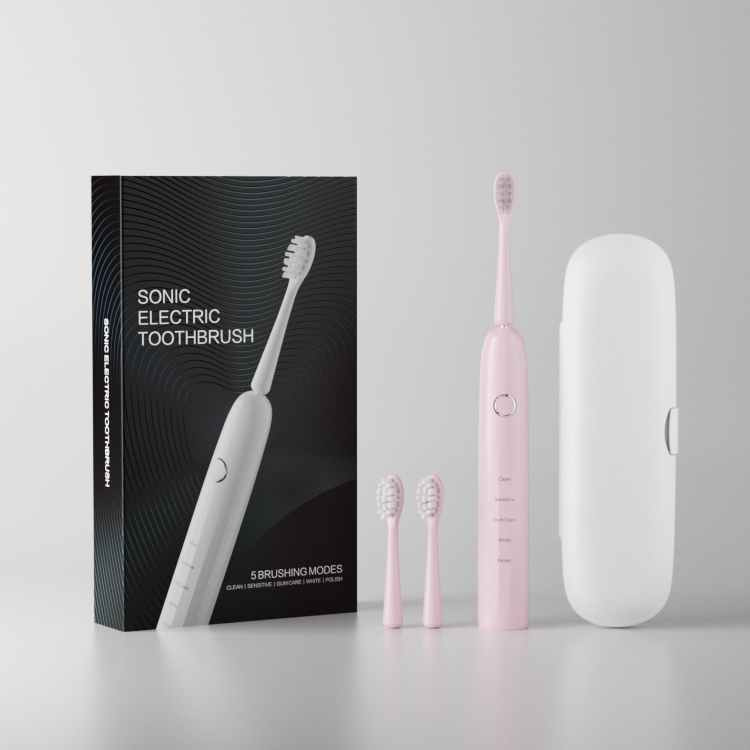
If you’ve ever researched how to charge a water flosser, you may have seen old advice claiming the device needs to charge for a full day before its first use. Many consumers still believe this “24 hours myth”, and brand owners often ask whether they should include this instruction in their product manuals.
But is this still relevant—especially when modern suppliers use advanced batteries?
For oral-care brands planning to develop their own product line, understanding this topic is crucial. Charging expectations directly influence customer satisfaction, product reviews, and warranty claims.
OEM Battery Technology Has Evolved
Today’s OEM manufacturers use upgraded OEM battery technology—typically high-density lithium-ion or lithium-polymer cells. These cells:
-
No longer require long “activation charging”
-
Ship with partial charge for safety compliance
-
Reach full capacity without extended charging cycles
-
Offer better power stability for a modern oral irrigator
Because of these improvements, telling customers to charge for 24 hours is outdated and can even be misleading.
Why OEMs No Longer Recommend a 24-Hour First Charge
Old nickel-cadmium batteries required conditioning, but modern lithium-based batteries do not. Leading OEM factories report:
-
1–4 hours is the typical safe full-charge window
-
Overcharging may slightly increase heat and long-term battery wear
-
Smart-chip charging boards automatically stop charging when full
For brands, this means manuals should emphasize safety and accuracy, not old myths.
How Modern Charging Designs Improve User Experience
Leading oral-care OEMs now build products with:
-
Fast-charging circuits (often 5V USB-C)
-
Over-current, over-voltage, and temperature protection
-
Battery-level indicators and auto-cutoff features
-
Longer runtime from more efficient motors
These upgrades allow the modern oral irrigator to deliver consistent performance without the need for unrealistic charging times. Shorter first-charge recommendations also reduce returns, customer complaints, and confusion.
What Brand Owners Should Ask Their OEM Manufacturer
When selecting a water-flosser manufacturing partner, request clear specification details:
-
What type of battery chemistry is used?
-
What is the actual first-charge requirement?
-
Does the PCB include smart-charging protection?
-
Can charging instructions be customized for your brand manual?
-
Is fast-charging supported?
-
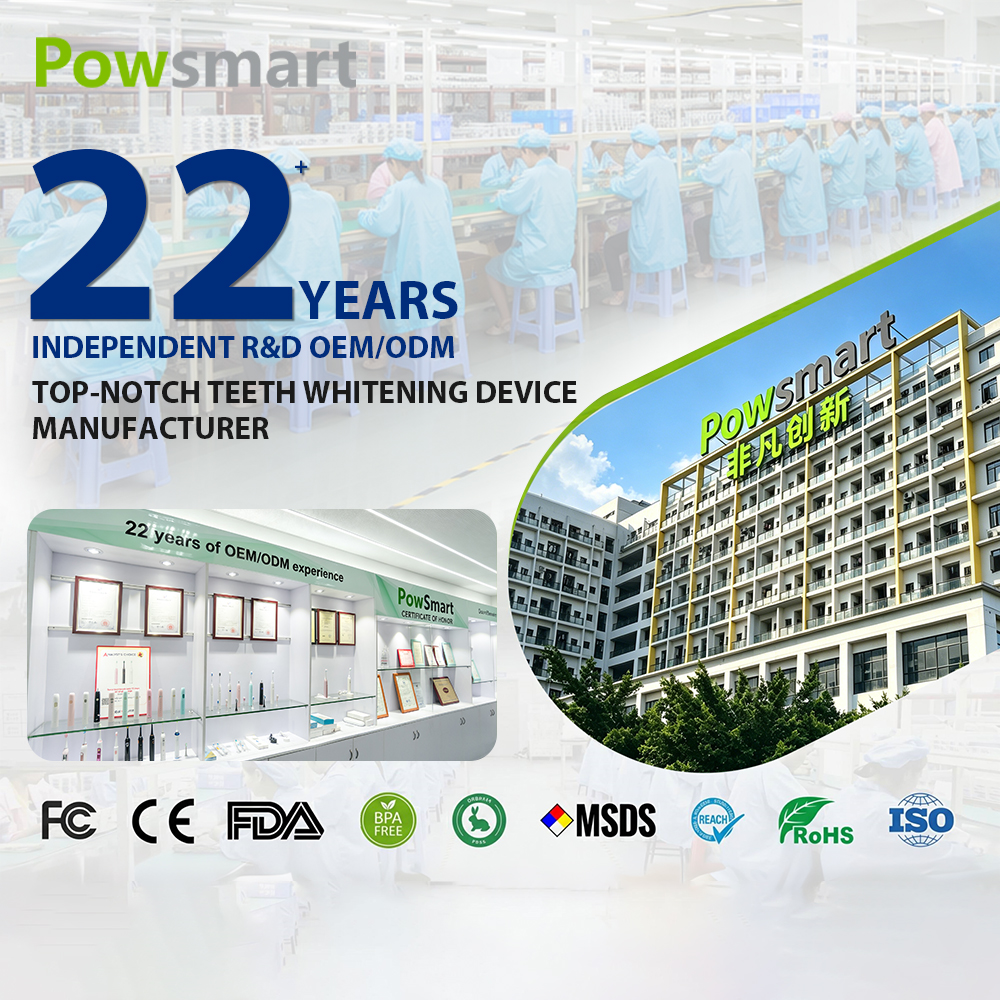
What testing standards (UL, CE, RoHS, IEC) are followed?
A reliable OEM should prove their technology with test reports, certifications, and real charging data.
Conclusion: The Truth Behind the 24-Hour Myth
So—do you have to charge a water flosser for 24 hours?
No. Modern lithium batteries, combined with improved OEM charging systems, have made the old 24-hour rule obsolete.
For brand owners, using accurate charging guidelines not only boosts product credibility but also helps you position your product as a high-tech, user-friendly modern oral irrigator supported by reliable OEM battery technology.
.jpg)
