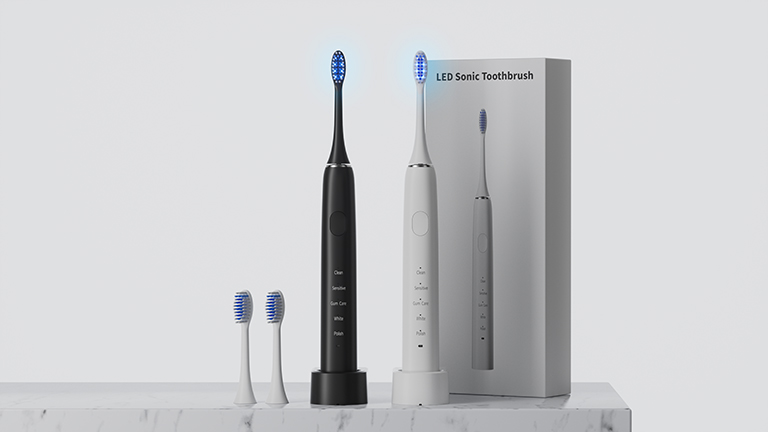
One of the most frequent questions customers ask is whether it’s safe—or even beneficial—to keep their electric toothbrush on the charger continuously. While it may seem convenient to keep your toothbrush fully powered at all times, understanding how electric toothbrush charging habits affect battery performance is crucial, especially for brands developing or sourcing high-quality oral care devices.
Understanding Battery Lifespan and Performance
Most modern electric toothbrushes use lithium-ion batteries, known for their long life and efficient energy management. However, like all rechargeable batteries, their battery lifespan can be influenced by temperature, charging frequency, and voltage stability. Constant overcharging doesn’t typically damage lithium-ion batteries thanks to built-in protection circuits, but keeping a toothbrush permanently on the charger can gradually reduce battery efficiency over time.
OEM Insights: Design and Safety Considerations
From an OEM manufacturing perspective, reliable charging design is essential. Leading toothbrush OEMs ensure their chargers are equipped with smart cut-off functions to prevent overcharging, overheating, and short-circuiting. When choosing a factory or partner, brands should confirm that the manufacturer follows strict OEM maintenance tips—such as testing for voltage stability and using premium-grade battery cells—to guarantee long-term product safety and performance.
Charging Best Practices for End Users
To maximize your toothbrush’s lifespan, follow these charging best practices:
-
Charge your electric toothbrush only when the battery is low.
-
Avoid leaving it plugged in continuously for days at a time.
-
Store the toothbrush and charger in a cool, dry place.
-
If unused for a long period, recharge it every 3–6 months to maintain battery health.
These small habits not only improve battery efficiency but also help maintain product integrity—something OEMs emphasize during product design and testing.
OEM Maintenance Tips for Brands and Manufacturers
For brands collaborating with OEM factories, maintenance and testing protocols are vital. Here are a few OEM maintenance tips that ensure product durability and customer satisfaction:
-
Implement battery cycle testing during production.
-
Conduct long-term charger reliability tests.
-
Use high-quality charging components that comply with international safety standards.
-
Provide clear charging and storage instructions in packaging and manuals.
These measures not only extend battery life but also enhance brand reputation through consistent quality assurance.
Final Thoughts: Smart Charging for Smart Branding
Leaving your electric toothbrush on the charger all the time may not cause immediate harm, but it’s not ideal for long-term battery health. For brands developing or sourcing oral care products, attention to electric toothbrush charger design and battery lifespan optimization should be part of every OEM discussion.
By partnering with experienced OEM manufacturers who prioritize electric toothbrush charging best practices and quality testing, you can deliver products that not only perform better but also build lasting trust with consumers.
.jpg)
