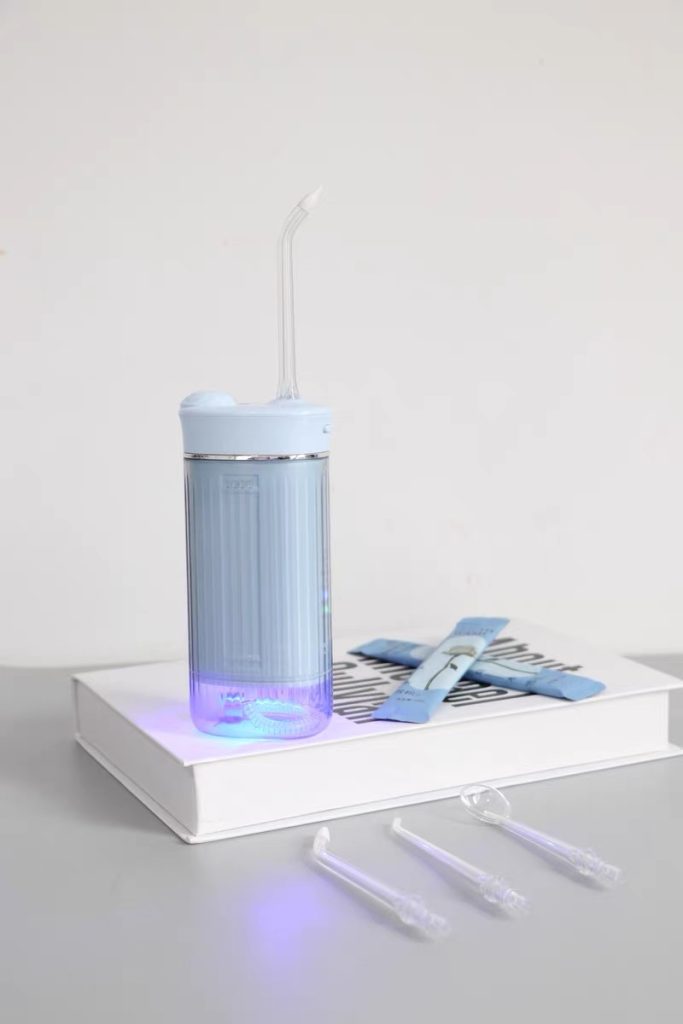
Maintaining healthy gums and teeth has become a global priority as consumers grow more aware of oral hygiene. One question often raised in the oral care industry is: Is it bad to use a dental water flosser every day? The short answer—no, if used properly, daily use can actually enhance oral health. However, for brands and manufacturers, understanding oral irrigation safety and consumer education is essential to ensure product success in the market.
Understanding Daily Use: The Role of the Dental Water Flosser
A dental water flosser—also known as an oral irrigator—uses a stream of water to remove food debris and plaque between teeth and along the gumline. Compared to traditional string floss, it provides a more comfortable and efficient cleaning experience, especially for users with braces, implants, or sensitive gums.
Many dental professionals recommend dental water flosser daily use as part of a regular oral hygiene routine. When designed correctly, these devices can improve gum health, reduce bleeding, and lower the risk of periodontal disease.
Oral Irrigation Safety: What Users Should Know
Safety remains the top concern for both consumers and manufacturers. Modern water flossers are engineered with adjustable pressure settings to prevent damage to gums or enamel. As long as users operate the device within safe pressure levels and maintain regular cleaning, oral irrigation safety is not an issue.
However, brands must ensure that their designs meet global health and electrical safety standards. Partnering with a reliable OEM manufacturer that understands these compliance requirements is crucial.
Gentle Gum Care: The Key to Long-Term Health
Unlike traditional flossing, which can sometimes irritate the gums, water flossers promote gentle gum care by massaging the tissue and improving blood circulation. This makes them suitable for users with sensitive gums or those recovering from dental procedures.
Manufacturers can enhance this benefit through innovations like pulse technology, ergonomic nozzle design, and user-friendly controls—features that attract consumers who prioritize comfort and safety.
OEM Manufacturer Advice: Building a Safe and Market-Ready Product
For oral care brands aiming to enter or expand in this segment, choosing the right OEM manufacturer is a critical step. Here are key points to consider:
Technical Expertise: The manufacturer should have proven experience in designing safe and effective water flossing systems.
Quality Control: Look for partners with strict testing standards for pressure, noise level, waterproofing, and battery performance.
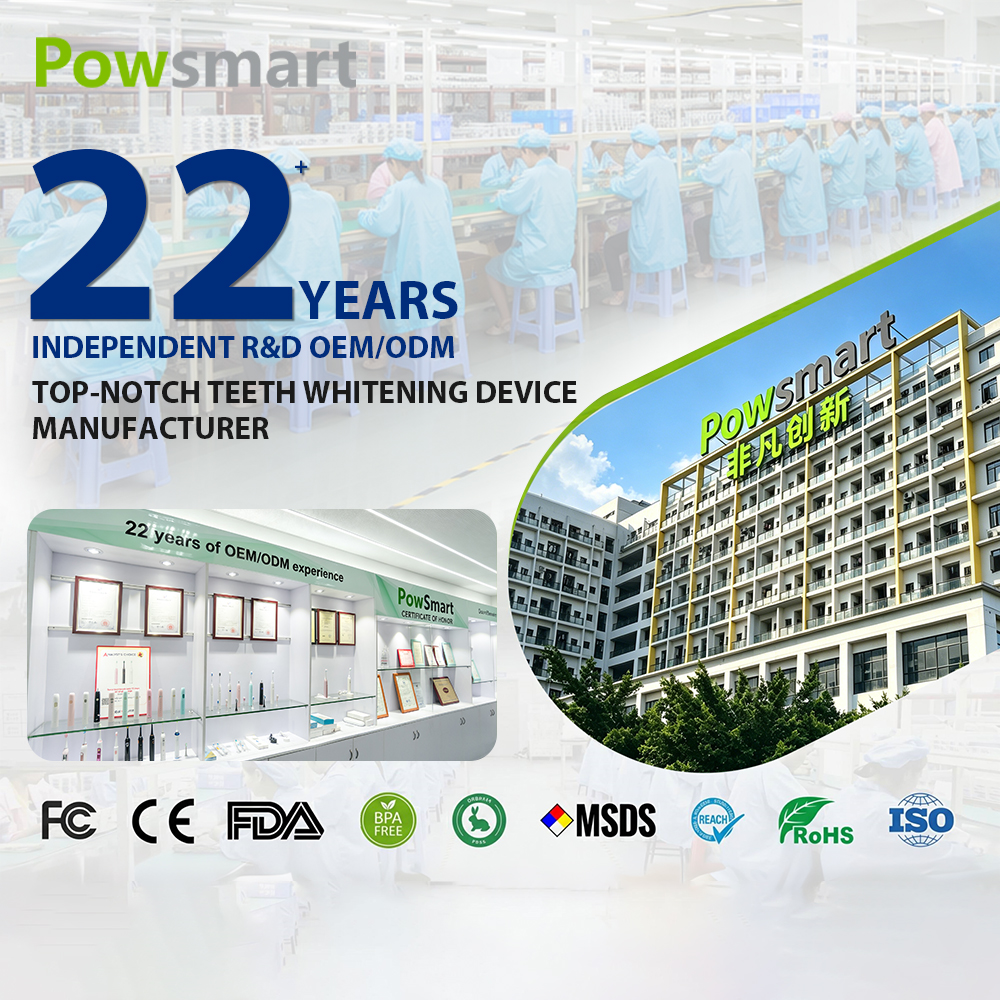
Regulatory Knowledge: Ensure compliance with certifications such as FDA, CE, and ISO.
Customization Options: A good OEM should provide flexible design options for branding, packaging, and functionality to meet diverse market needs.
Selecting the right partner ensures that your product embodies oral irrigation safety while offering gentle gum care and reliable performance for dental water flosser daily use.
Educating Consumers: Encouraging Safe Daily Habits
Consumer education plays a big role in product success. Brands should include clear usage instructions, highlighting the benefits of moderate water pressure, correct angling, and daily maintenance. This helps prevent misuse and strengthens trust in your brand’s commitment to safety.
Incorporating these insights into your marketing strategy not only builds credibility but also aligns with the growing consumer demand for professional dental hygiene solutions at home.
Conclusion: Daily Use Is Safe—with the Right Product Design
So, is it bad to use a dental water flosser every day? Absolutely not—when designed and used properly, it’s one of the best tools for maintaining oral hygiene. The key lies in ensuring oral irrigation safety, promoting gentle gum care, and working closely with an experienced OEM manufacturer who can deliver innovative, reliable solutions.
For oral care brands, investing in quality manufacturing and user education will lead to healthier smiles—and stronger market growth.https://www.powsmart.com/product/water-flosser/
.jpg)
