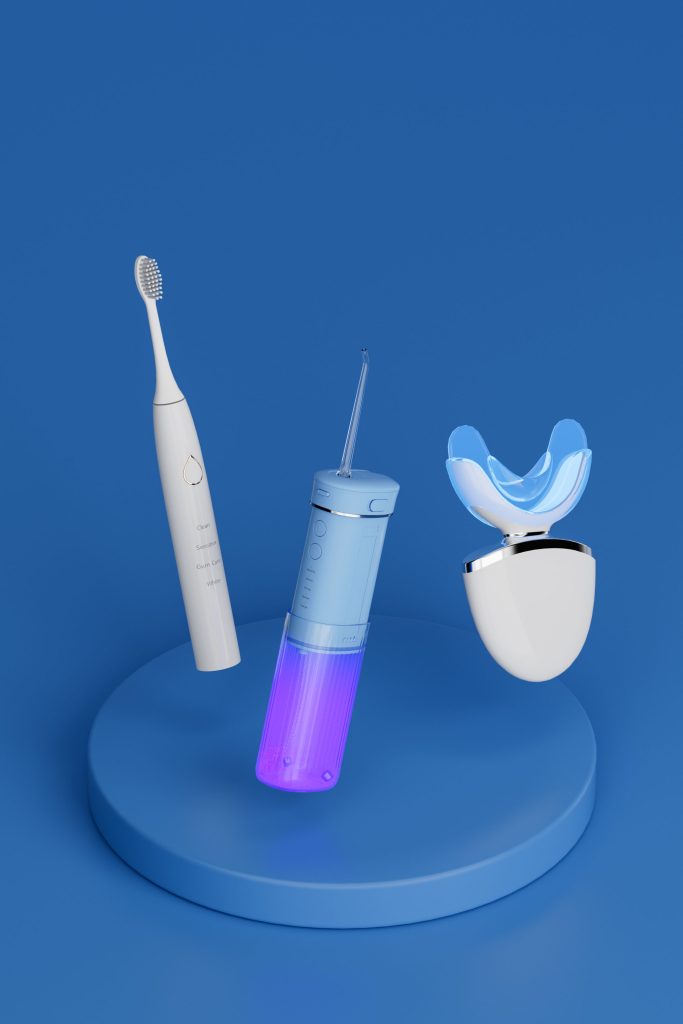
A water flosser is meant to promote oral hygiene — not harm it. However, when customers open their devices and discover a moldy water flosser tank, it instantly turns a trusted product into a health hazard. For oral care brands, this issue isn’t just about a single defective product — it’s a direct threat to customer trust and overall brand reputation.
The Hidden Danger of Mold in Water Flosser Tanks
Mold growth in a water flosser tank can occur when materials, design, or assembly don’t meet proper hygiene standards. Poor-quality plastics, gaps in sealing, or non-sterile production environments all contribute to contamination risks. Once mold appears, it can spread quickly, leading to unpleasant odors, bacterial growth, and potential oral infections.
For consumers, that’s unacceptable. For brands, it’s catastrophic.
How a Moldy Water Flosser Damages Brand Reputation
In the digital age, one customer’s negative review can reach thousands. A single image of a moldy water flosser shared online can overshadow months of marketing investment.
The negative review undermines consumer confidence.
It associates your brand with poor hygiene and low quality.
It drives potential customers toward competitors who emphasize safety and cleanliness.
Brand reputation is hard to build — but easy to destroy.
The Role of OEM Manufacturing in Product Quality
Most oral care brands rely on OEM manufacturing partners to produce their devices. While this allows flexibility and cost efficiency, it also introduces risk if the OEM lacks strict hygiene control and quality assurance.
A reliable OEM should:
Use certified materials suitable for hygienic water tank production.
Implement anti-mold testing and airtight assembly.
Follow ISO or FDA-level cleanliness standards.
Partnering with the wrong factory can lead to quality issues that damage both your product line and your reputation.
How to Ensure a Truly Hygienic Water Tank
If you want to prevent the nightmare of a moldy water flosser, your manufacturing process must prioritize hygiene at every step.
Here’s what leading brands do:
Choose OEMs with experience in oral care and proven hygienic material sourcing.
Demand transparent audits and microbial testing results.
Design with easy cleaning in mind, ensuring smooth tank surfaces and removable lids.
Verify production environments meet medical-grade cleanliness standards.
By integrating these steps, brands ensure a hygienic water tank that enhances — not endangers — user health.
Final Thoughts: Protect Your Brand by Choosing the Right Partner
The problem of a moldy water flosser tank is more than a product defect — it’s a reputation crisis waiting to happen.
As a brand owner, your best defense is prevention through quality. That starts with partnering with a trusted OEM manufacturer that values hygiene, testing, and accountability as much as you do.
A clean product builds consumer trust — and a trusted brand stands strong in a competitive market.
.jpg)
