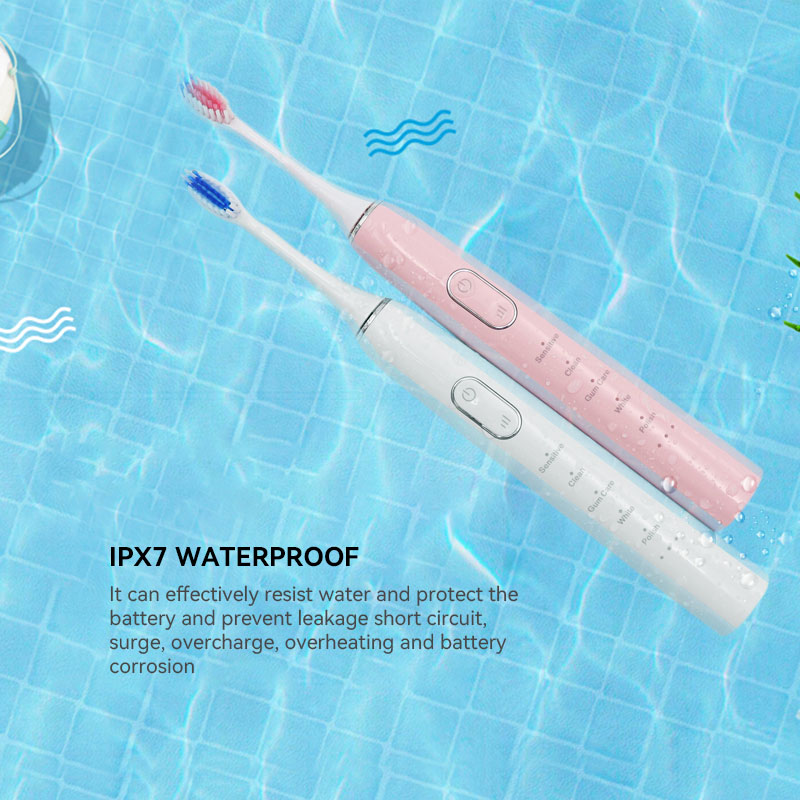
Maintaining oral hygiene goes beyond daily brushing—it involves knowing when to replace a toothbrush head and how to keep it clean in the meantime. In the world of smart hygiene routines, brush head replacement and efforts to sanitize toothbrush head surfaces are often treated separately. But for manufacturers and brands, syncing these two habits is key to delivering a complete oral care solution.
In this blog, we explore the strategic timing and technical considerations for aligning brush head replacement cycles with effective sanitation protocols.
Understanding Brush Head Degradation Over Time
Toothbrush heads—especially those used with electric models—undergo gradual wear due to:
- Friction from brushing surfaces
- Exposure to toothpaste chemicals
- Moisture retention leading to microbial buildup
Most dental professionals recommend a brush head replacement every 3 months. However, environmental and usage factors (e.g. brushing pressure, frequency) can shorten this cycle. The B2B opportunity lies in designing indicator systems (faded bristle color, app alerts) to signal end-of-life.
Why Sanitize Toothbrush Head Routines Matter Daily
Between replacements, the hygiene status of the brush head can deteriorate significantly. That’s where sanitize toothbrush head routines play a critical role. UV sanitizers, ozone chambers, and antimicrobial brush holders can help reduce:
- Bacterial growth
- Mold formation
- Odor accumulation
Frequent sanitation—ideally after each use—extends the safe usability of the brush head and reduces oral contamination risks.
The Overlap Window: When Sanitation No Longer Suffices
A sanitized brush head is not necessarily an effective one. After prolonged use, even a “clean” brush head may show:
- Frayed or splayed bristles
- Loss of firmness and contact precision
- Hidden buildup at the base
At this point, even if users continue to sanitize toothbrush head surfaces, the cleaning performance drops. That’s the ideal moment to prompt brush head replacement.
Syncing the Lifecycle: Tech-Supported Hygiene Alerts
Smart toothbrush brands are increasingly integrating:
- Bluetooth connectivity
- App-based timers
- Brush pressure sensors
These systems can track brushing behavior and suggest when to both sanitize and replace brush heads. OEMs that embed such smart logic into their platforms stand to create higher product engagement and customer satisfaction.
Packaging and Accessory Strategy for B2B
To encourage synced hygiene habits, manufacturers should consider:
- Bundling UV sanitizers with replacement brush heads
- Designing refill subscription models with sanitation reminders
- Offering combo kits (3 heads + 1 sanitizer chamber)
These bundled solutions promote long-term use and increase average order value while helping users stay compliant with hygiene guidelines. Company web: https://www.powsmart.com/product/electric-toothbrush/
Consumer Education is Key for Adoption
Finally, syncing brush head replacement and sanitize toothbrush head routines requires clear user education. B2B brands should empower distributors and retailers with:
- Instructional materials
- Infographics or mobile app guidance
- QR-coded tips on packaging
Educated users are more likely to adhere to hygiene best practices—and stick with brands that help them do so.
Conclusion: Hygiene Doesn’t Stop at Clean—It Evolves
To summarize: while sanitize toothbrush head routines help maintain day-to-day hygiene, they are not a substitute for timely brush head replacement. Instead, they should work hand in hand—creating a lifecycle of hygiene that is proactive, measurable, and user-friendly. For manufacturers, synchronizing both aspects into product design and packaging represents a powerful competitive advantage in the modern oral care market. Contact us
.jpg)
