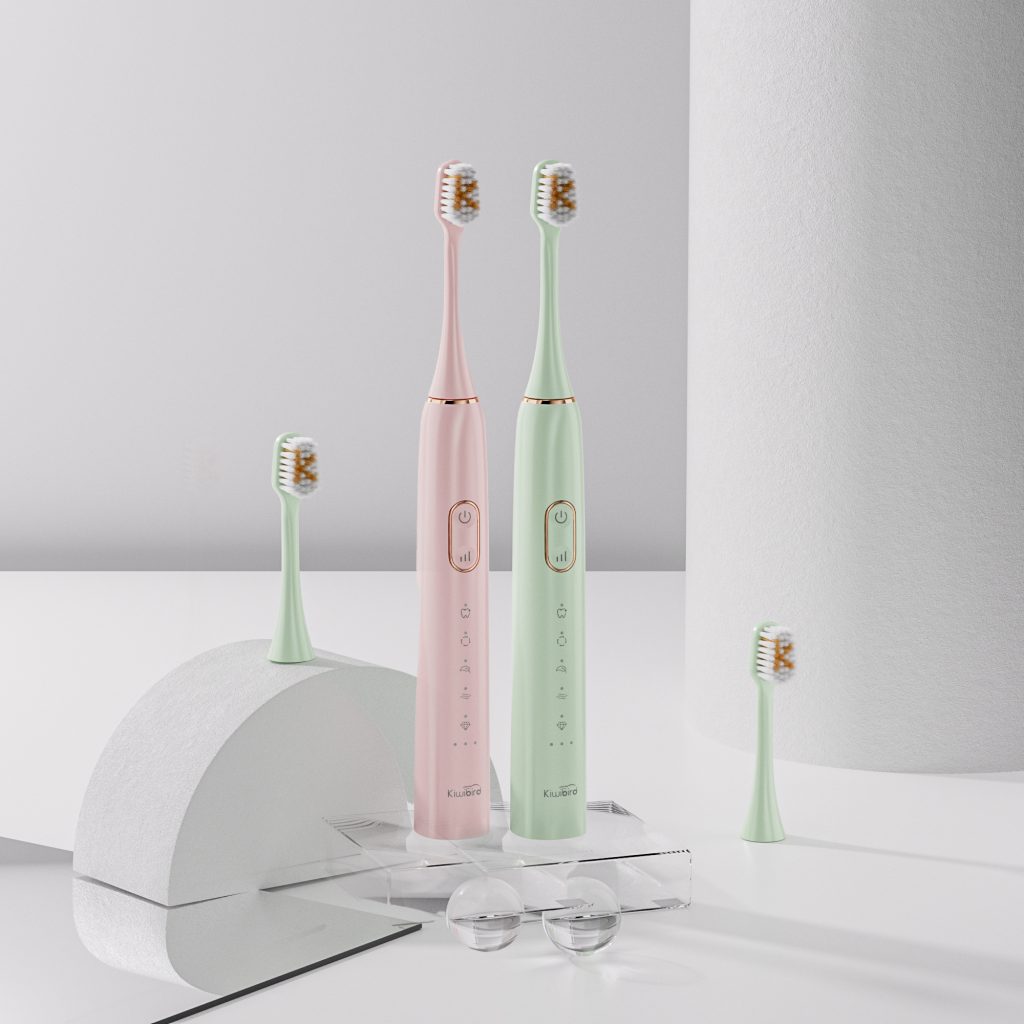
Introduction: Powerful Mode, Unexpected Flaws?
As electric toothbrush technology evolves, manufacturers now offer multiple brushing modes to accommodate user preferences and oral care needs. One such mode—Deep Clean Toothbrush Mode—is designed to deliver intensified brushing power for more effective plaque removal. However, concerns have emerged within the OEM/ODM sector regarding whether this high-power mode contributes to timer malfunction over time. Could a mode meant to enhance hygiene be subtly undermining device performance?
In this article, we explore the interplay between brushing mode intensity, circuit timing functions, and long-term reliability from a B2B manufacturer’s perspective.
What Is Deep Clean Toothbrush Mode?
Deep Clean Mode, often labeled as “Pro Clean” or “Intense Mode,” operates at higher vibration frequencies or pulse amplitudes—typically above 40,000 strokes per minute. This mode is favored for:
- Removing stubborn buildup in hard-to-reach areas
- Enhancing gum stimulation
- Providing a more “thorough” brushing experience, particularly for users with orthodontic appliances or stain-prone teeth
However, its high-output design places additional strain on the internal motor driver and power delivery systems, potentially influencing other electronic modules like the integrated brushing timer.
Understanding Timer Function in Smart Toothbrushes
Modern electric toothbrushes—especially those manufactured under intelligent product lines—incorporate timers to guide users toward optimal brushing behavior. Common implementations include:
- 2-minute shutoff timers
- 30-second interval pacers (for quadrant switching)
- Session memory tracking via Bluetooth sync
These timers are usually controlled by internal microcontrollers or IC timer circuits. Malfunction in this module may cause the brush to shut off early, fail to alert at proper intervals, or skip timing entirely, impacting user experience and brand credibility. Company web: https://www.powsmart.com/product/electric-toothbrush/
Can Deep Clean Mode Induce Timer Malfunction?
Yes—under certain conditions, Deep Clean Toothbrush Mode can become a contributing factor to timer malfunction, especially in entry-level or budget-designed models. Here’s why:
- Increased energy draw may cause voltage fluctuation if the battery or capacitor design is not optimized
- Electromagnetic interference (EMI) from high-frequency oscillation may affect sensitive timer chips
- Heat buildup during prolonged deep cleaning sessions can reduce timing precision in non-shielded circuit boards
- Firmware instability, especially when mode switching isn’t properly mapped to timer logic
Inconsistent performance often arises not from the mode itself, but from poor integration between high-load functionality and embedded control systems.
Key Design and Engineering Considerations
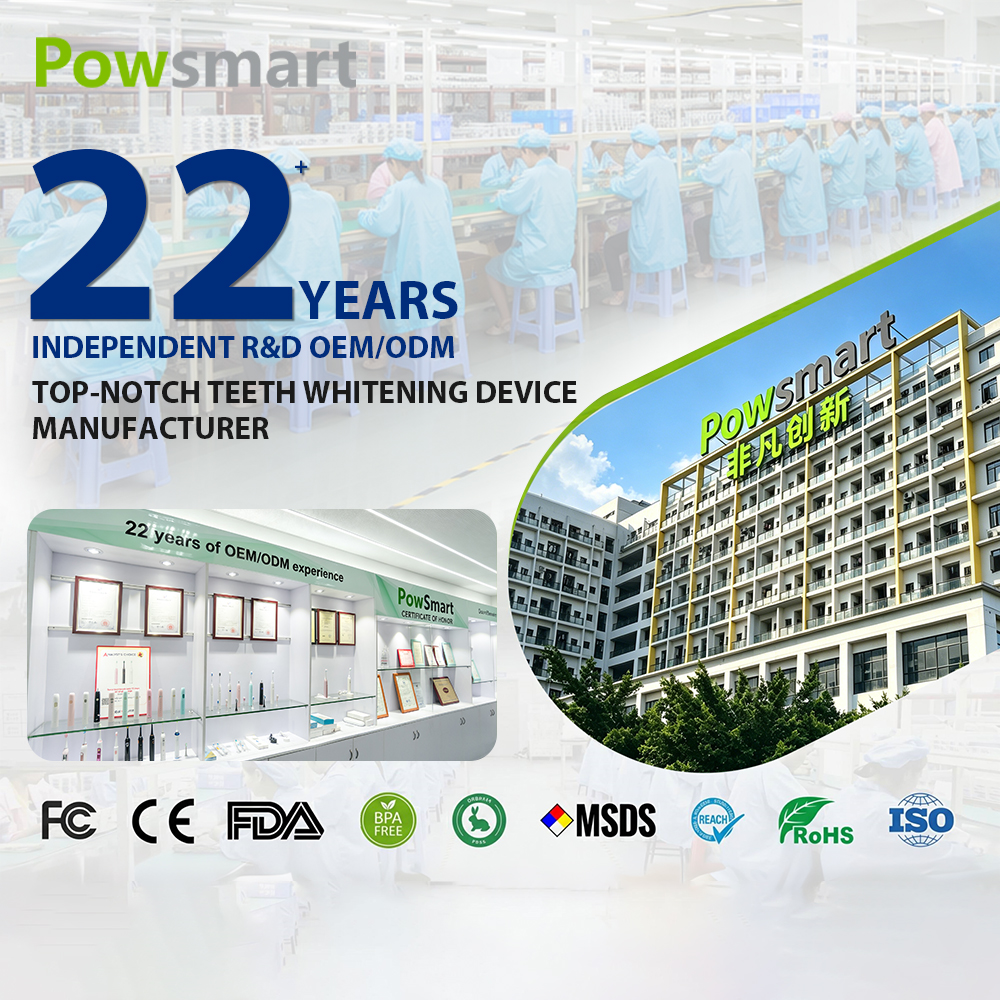
To mitigate these risks, leading OEM/ODM toothbrush manufacturers like POWSMART adopt the following measures during product development:
- Independent timer IC shielding from motor interference zones
- Load-balancing firmware, ensuring timer logic operates on a separate frequency channel
- Battery over-discharge protection, keeping voltage consistent across high-power modes
- Active temperature monitoring, triggering shutdown if core components exceed safety thresholds
These proactive designs help preserve timer accuracy regardless of operational mode, ensuring consistent functionality throughout the product’s lifespan.
What Should B2B Buyers and Distributors Look For?
When sourcing from private-label suppliers or initiating a custom order, buyers should specifically inquire about:
- Timer test protocols under high-output conditions
- Firmware robustness in multi-mode settings
- Deep Clean Mode stress test results and thermal logs
- EMC certification (Electromagnetic Compatibility) for the full device
A reliable partner should offer transparent documentation and failure rate data to demonstrate timer stability across use cases.
Conclusion: Integration Is Everything
The concern that Deep Clean Toothbrush Mode may cause timer malfunction is not unfounded—but it is preventable. When performance modes are added without holistic firmware and hardware synchronization, timing modules can indeed become compromised.
At POWSMART, our engineering approach ensures that advanced cleaning functions don’t come at the cost of device reliability. With deep diagnostic testing and smart component integration, we help partners deliver powerful yet dependable oral care products to the market. Contact us
-300x300.jpg)
-300x300.jpg)
.jpg)
