In today’s competitive oral care market, electric toothbrushes come in a wide range—from simple budget models to premium smart designs. For oral care brands seeking to source reliable manufacturers, understanding the core electric toothbrush differences is crucial for developing a product portfolio that aligns with consumer expectations and pricing strategies. This blog offers a toothbrush comparison between cheap electric toothbrushes and high-end electric toothbrushes, highlighting 5 key differences to guide your sourcing and product development decisions.
Motor Technology & Performance
One of the most fundamental differences lies in the motor system.
Cheap electric toothbrushes typically use basic vibration motors with lower RPMs (around 6,000–12,000 strokes/min). These models provide basic plaque removal but limited deep-cleaning capabilities.
High-end electric toothbrushes, on the other hand, feature high-frequency sonic or oscillating-rotating motors that can reach up to 40,000 strokes/min. These deliver superior plaque removal and gum stimulation.
? When selecting a manufacturing partner, assess their capability in producing motors with variable frequency or sonic technology—key aspects of oral care technology today.
Battery & Charging Options
Battery quality directly impacts product usability and consumer satisfaction.
Budget models often use AA batteries or low-cost rechargeable cells with short lifespan and limited usage per charge.
Premium models typically include long-lasting lithium-ion batteries, fast-charging docks, and even USB or wireless charging features.
For brands seeking scalable quality across product tiers, ensure the factory has battery certification compliance and supports modern charging solutions.
-300x300.jpg)
Brush Head Design & Replacement System
Low-end brushes often come with fixed or generic brush heads with limited ergonomic design and poor bristle quality.
High-end models offer interchangeable brush heads tailored for whitening, sensitivity, or gum care, often with pressure indicators or wear sensors.
Manufacturers with in-house brush head injection molding and soft-bristle tech can help you customize the user experience while controlling costs.
Smart Features and User Feedback
Oral care technology has become a major differentiator.
Cheap electric toothbrushes usually have one or two fixed modes and no real-time feedback.
In contrast, high-end electric toothbrushes integrate Bluetooth connectivity, smart pressure sensors, and mobile app guidance.
Brands targeting tech-savvy markets should look for ODM factories with IoT development capabilities and firmware support to bring smart features to life.
Material Quality & Durability
The materials used not only affect product feel but also regulatory compliance.
Lower-end models often use standard ABS plastic without water resistance ratings.
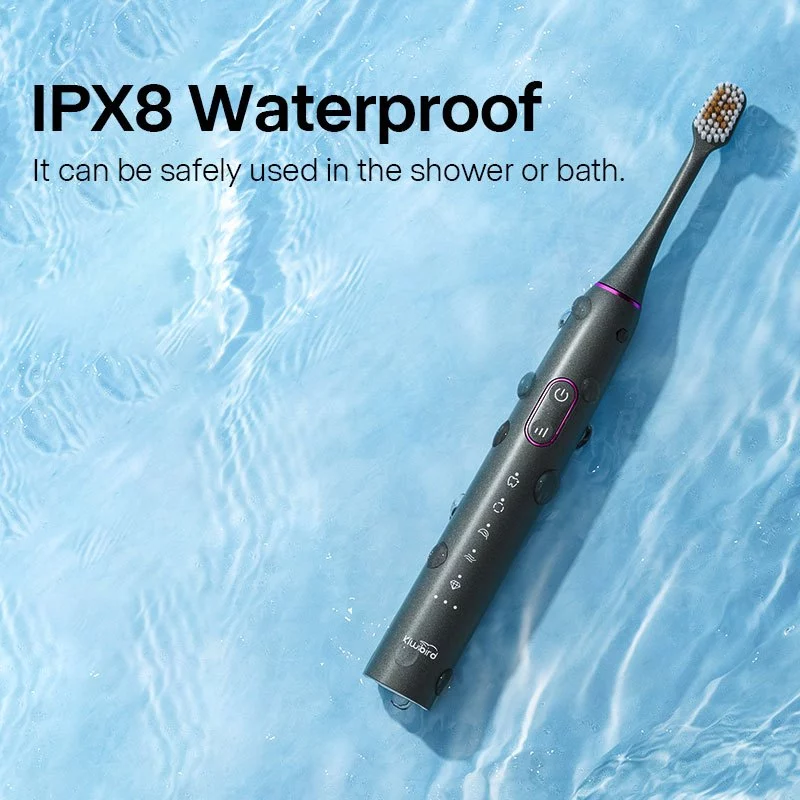
Higher-end units boast IPX7 waterproof ratings, UV-coated or rubberized handles, and BPA-free brush heads for premium aesthetics and hygiene.
When vetting factories, ask for materials traceability, IP testing capabilities, and documentation to ensure alignment with brand quality standards.
Conclusion: Choose the Right Manufacturing Partner for Your Product Tier
Whether your brand is entering the mass market with cheap electric toothbrushes or launching a premium product line of high-end electric toothbrushes, knowing these five key electric toothbrush differences helps you build a sourcing strategy rooted in both quality and cost efficiency.
Use this toothbrush comparison as a selection guide when evaluating suppliers:
Can they support basic and advanced oral care technology?
Do they offer scalable manufacturing for both entry-level and premium SKUs?
Can they assist in user-focused product design and compliance certifications?
Partnering with a factory that understands these variables is essential to developing successful, differentiated products in today’s oral care market.

.jpg)
