In the realm of electric oral care devices and personal grooming tools, waterproof failure is more than a surface-level issue—it can directly result in circuit corrosion, often leading to total device failure. This hidden yet critical risk not only affects product durability but also damages brand credibility and increases after-sales costs. For OEM/ODM manufacturers, understanding how waterproof breaches evolve into irreversible electrical corrosion is vital for ensuring both product safety and long-term customer satisfaction.
How Waterproof Failure Happens: The First Breach
A device’s waterproof design is meant to isolate sensitive internal components—particularly PCBAs, batteries, and motor drives—from moisture exposure. However, waterproof failure can stem from:
- Improper ultrasonic welding of the housing
- Defective sealing rings or poorly applied gaskets
- Microcracks due to drop impacts or thermal stress
- Assembly misalignment between structural parts
Even a minor leak over time can allow vapor or condensation to enter the device’s interior—setting the stage for circuit corrosion.
What Is Circuit Corrosion and Why Is It Fatal?
Circuit corrosion refers to the gradual oxidation and chemical degradation of PCB traces, solder joints, and metallic components due to moisture, ions, or pH imbalance. Common signs include:
- Greenish or white buildup on circuit pads
- Erratic button or sensor behavior
- Partial or total loss of power
- Intermittent functionality before complete shutdown
Unlike mechanical wear, corrosion is progressive—meaning the device might still function temporarily but will inevitably fail. In many warranty cases, corrosion is the root cause even if users report other symptoms. Company web:https://www.powsmart.com/product/electric-toothbrush/
Common Scenarios Where Waterproofing Fails
In actual QA analysis and post-return investigations, manufacturers often discover:
- Devices labeled IPX7 fail under prolonged immersion or repeated high-humidity exposure (e.g., shower use)
- Over-tightened screws deform gaskets, allowing capillary leaks
- Aging adhesives used on battery or button seals shrink or crack over time
- Misinterpretation of waterproof ratings by end users (e.g., mistaking “splash-resistant” for “submersible”)
Without early detection, corrosion continues silently until the product is irrecoverable.
Prevention Starts with Design: Engineering Safeguards
To prevent waterproof failure from leading to circuit corrosion, manufacturers must incorporate smart safeguards into the design:
- Use double-seal structures around the motor and PCB areas
- Apply conformal coatings (e.g., silicone or acrylic) on circuit boards for moisture resistance
- Select corrosion-resistant alloys or gold-plated terminals for high-risk nodes
- Integrate pressure-equalization vents to manage internal condensation buildup
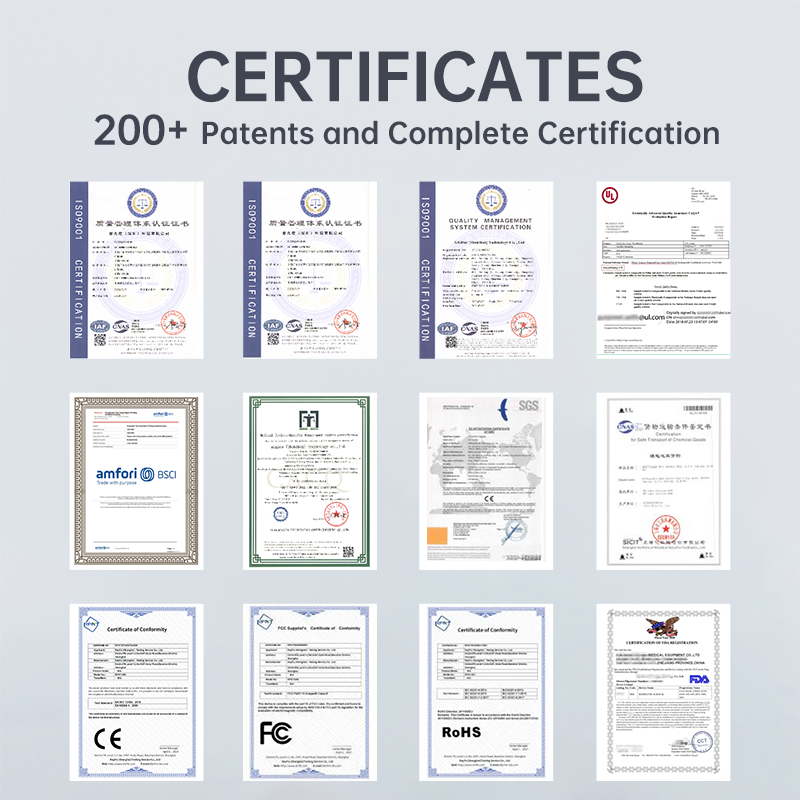
Beyond this, aligning enclosure design with actual IP test certifications—and not just internal estimates—is crucial.
QA and Field Validation: Beyond Lab Testing
Even the best designs can fail in the field without proper validation. Manufacturers should implement:
- Real-use simulation tests (e.g., thermal cycling, humidity chambers, water pressure shock tests)
- Corrosion spot-checking with chemical indicators post-test
- Drop + waterproof combo tests to account for structural shifts
- Field failure feedback loops, analyzing returned units for corrosion trends and patterns
These steps ensure that waterproofing is not just compliant, but resilient across global usage conditions.
Turning Protection into Product Value
Proactive waterproofing and anti-corrosion measures can be repositioned as competitive advantages. Brands can:
- Promote “Anti-Corrosion Certified PCB Design“
- Offer “Extended Waterproof Warranty” to highlight quality assurance
- Communicate clearly about correct usage and maintenance to reduce misuse
- Incorporate moisture exposure indicators inside the device to validate warranty claims
By doing so, you not only reduce failures—you strengthen your position as a reliable, premium manufacturer.
Conclusion
Yes—waterproof failure that leads to circuit corrosion is often fatal to the device. But more importantly, it’s preventable. For B2B manufacturers, solving this problem at the design, process, and quality control level means less product loss, fewer returns, and greater customer trust. In a saturated market where durability is a key differentiator, smart waterproofing isn’t just an expectation—it’s a survival strategy. Contact us
.jpg)
