When it comes to user comfort and device safety in oral care electronics, two issues often arise separately—battery bloating and jaw fatigue. However, when these two problems appear simultaneously, it raises an important question: are they truly unrelated, or is there a hidden mechanical and ergonomic link that manufacturers need to address? This blog explores the subtle yet critical relationship between battery deformation and user fatigue, especially in handheld dental care products like electric toothbrushes and water flossers.
What Is Battery Bloating and Why Does It Matter?
Battery bloating refers to the swelling of a lithium-ion battery due to internal gas buildup, often caused by:
- Overcharging or thermal stress
- Internal short circuits
- Poor-quality cell packaging
- Inadequate protective circuitry
When a battery swells, it doesn’t just compromise internal integrity—it can physically distort the device’s outer shell, including the handle, affecting both ergonomics and functionality.
Structural Deformation Alters Grip Dynamics
Battery bloating can subtly warp the handle’s shape, making it harder for users to maintain a relaxed grip. A swollen or misaligned casing may:
- Increase the grip force needed to hold the device steadily
- Create imbalanced weight distribution
- Misalign buttons, increasing operation strain
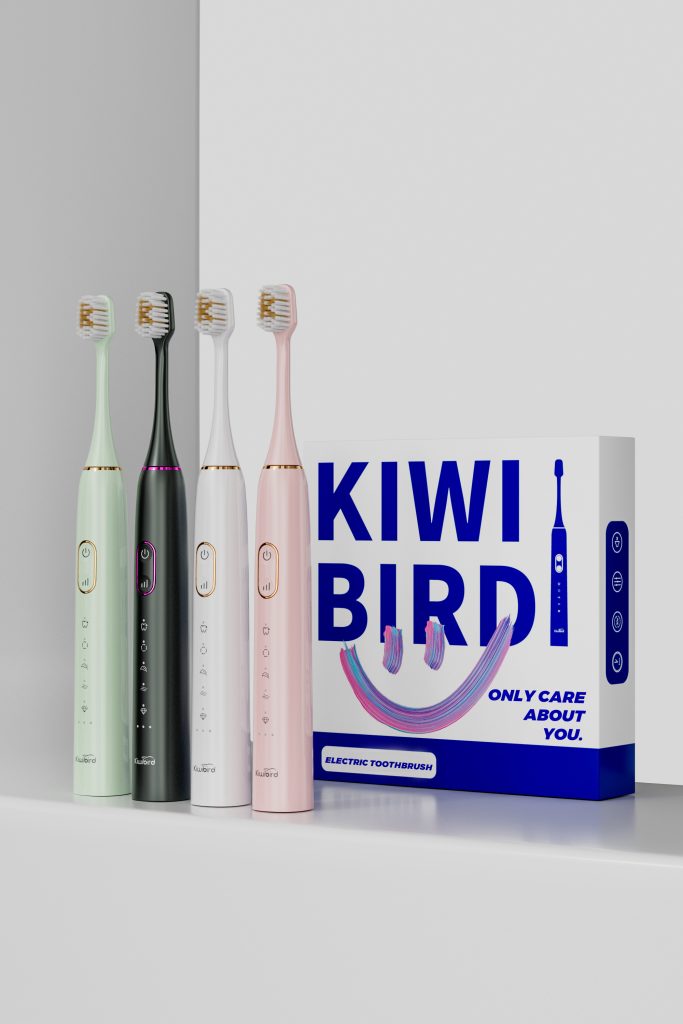
These structural shifts force the jaw and hand to work harder during use, contributing to jaw fatigue over time, especially during extended brushing or flossing sessions. Company web:https://www.powsmart.com/product/electric-toothbrush/
How Jaw Fatigue Manifests in Daily Use
Jaw fatigue can result from:
- Holding the mouth open for prolonged periods
- Stabilizing the device with clenching force
- Adjusting awkward angles due to altered handle shape
Users may report soreness, tension, or even headaches after routine usage—issues often blamed on brushing technique or motor vibration, when in reality, battery bloating might be the underlying mechanical disruptor.
Overlooked During QC? A Risky Blind Spot
Many B2B device manufacturers focus on electronic stability, runtime, and charging accuracy—but fail to assess how minor swelling impacts ergonomic compliance. This is a critical oversight because:
- Swelling is often internal and gradual
- Handle deformation doesn’t trigger immediate failure
- Fatigue symptoms only emerge during extended real-world use
Thus, the correlation between battery bloating and jaw fatigue goes undetected until customer complaints escalate.
Design & Engineering Countermeasures
To prevent this dual failure scenario, manufacturers can implement:
- Smart battery management ICs to avoid overvoltage
- Reinforced internal bracing to contain expansion
- Ergonomic redundancy in handle design (contour buffering)
- Early-cycle mechanical pressure testing in QC protocols
Additionally, feedback loops from long-term user testing should be integrated to detect latent ergonomic consequences.
OEM/ODM Recommendations: Don’t Ignore the Hidden Link
For OEM/ODM businesses, understanding the subtle ways in which internal mechanical failures translate to external discomfort is essential. When battery bloating causes jaw fatigue, it not only results in a poor user experience—it also damages brand reputation and increases return rates.
Investing in better battery integrity and ergonomic resilience can lead to:
- Reduced warranty claims
- Enhanced product differentiation
- Stronger consumer trust and retention
Conclusion: Small Swell, Big Impact
While battery bloating and jaw fatigue may appear unconnected, they often coexist for a reason. The subtle mechanical consequences of swelling—compromised grip, misaligned components, and muscular strain—can significantly degrade user comfort. Recognizing this connection enables B2B manufacturers to design safer, more user-friendly products that meet both functional and ergonomic expectations. Contact us

.jpg)
