In the competitive market of electric oral care products, mode malfunction and pulse instability are two issues that are often overlooked—until they begin to erode overall device stability and consumer trust. Although these two failures may appear isolated, they are frequently symptoms of deeper flaws in design, firmware control, or component compatibility.
The Hidden Role of Mode Malfunction in Product Failure
Mode malfunction refers to the improper switching, freezing, or unintended behavior of pre-set cleaning modes. This issue often stems from:
- Faulty microcontroller firmware
- Inconsistent voltage supply
- Substandard mode-selector buttons or PCB contact points
A mode malfunction does more than disrupt the user experience—it can lead to incomplete cleaning cycles, overuse of sensitive settings, or total system lockout, all of which severely undermine product credibility.
Pulse Instability: More Than Just a Comfort Issue
While some manufacturers dismiss pulse instability as a user comfort concern, its implications are far more serious. A stable pulse frequency is critical to:
- Effective plaque removal
- User gum safety
- Internal motor balance and longevity
Pulse irregularities can result from degraded sensors, power surges, or inconsistent motor performance. Over time, they contribute to wear and tear that accelerates device failure and customer returns.

The Interconnection: When One Failure Triggers Another
When a device’s mode selection fails, the underlying firmware may struggle to regulate pulse signals correctly. Conversely, unstable pulses may interfere with control logic, causing erratic mode changes. This feedback loop can cause:
- Random auto-resets
- Conflicting signals to the motor driver
- Device overheating from irregular power demands
Such instability is particularly dangerous in devices marketed for children or users with sensitive gums, where precision matters most.
How Hardware Design Affects Software Performance
Even with refined code, hardware design plays a decisive role. Poor PCB layout, shared circuits between motor and mode control, and insufficient shielding from EMI (electromagnetic interference) often lead to:
- Unintended cross-signals between mode switching and pulse modulation
- Voltage dips that cause partial system resets
- Reduced lifespan of capacitive sensors and transistors
OEMs must collaborate closely with PCB suppliers and embedded software teams to harmonize hardware-software integration.
Testing Protocols to Detect Early Failures
To ensure long-term device stability, rigorous testing should be implemented in the early design phase:
- Stress testing of mode switching under various battery levels
- High-frequency oscilloscope diagnostics for pulse behavior consistency
- Environmental aging simulations to assess response under humidity and temperature variation
Early detection of instabilities enables manufacturers to reduce post-market failure rates significantly.
Turning Stability into a Market Differentiator
Forward-thinking brands can transform reliability into a unique selling point. Consider these product-enhancing features:
- Auto-diagnostics that alert users of pulse instability
- Haptic feedback to confirm successful mode switching
- Backup safety modes in case of mode malfunction detection
- Firmware upgrade support via app connectivity
In a market flooded with low-cost alternatives, offering guaranteed operational stability builds brand trust and reduces warranty costs.
Conclusion: Stability Is Not Optional—It’s Foundational
Both mode malfunction and pulse instability are red flags pointing to weak system architecture. Left unchecked, they compromise device reliability and user satisfaction. For manufacturers, prioritizing robust mode control and pulse modulation systems is not just a technical requirement—it’s a strategic imperative.
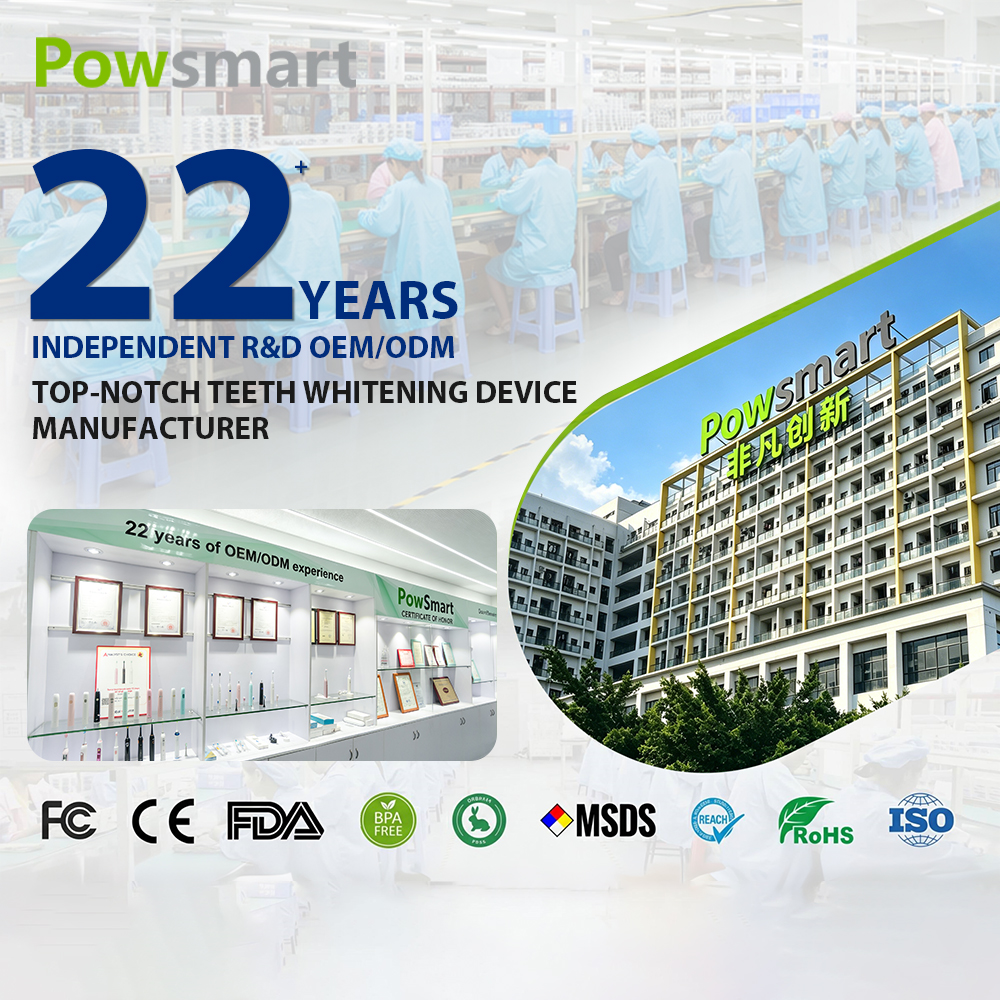
Partner with us to develop next-generation devices that deliver consistent performance with zero compromise.Company web: https://www.powsmart.com/product/electric-toothbrush/
.jpg)
