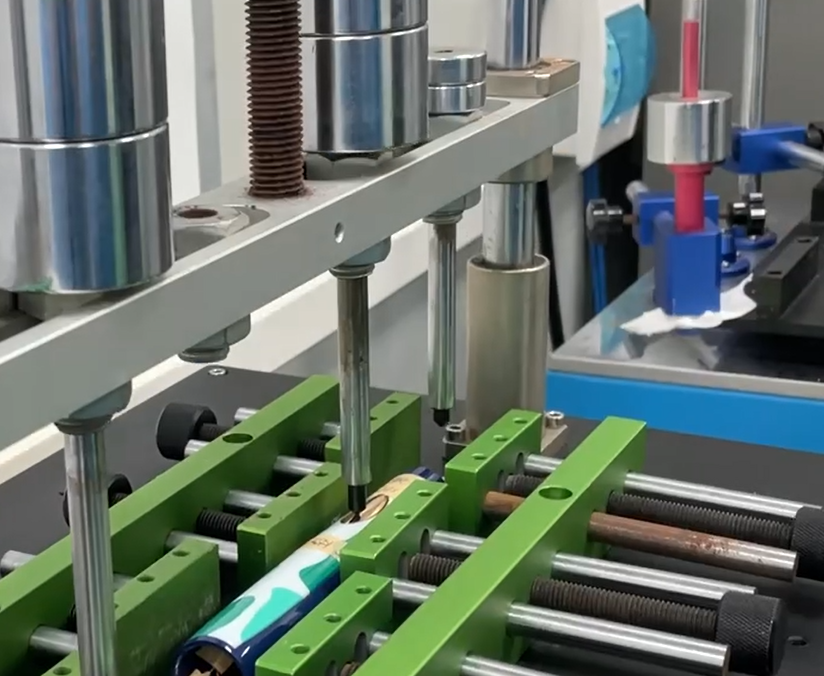
In the highly competitive electric toothbrush market, product aesthetics, functionality, and safety play an increasingly critical role. A high-quality surface finish not only enhances the user experience but also reinforces the brand image. Two of the most widely used surface finishing techniques in the industry are toothbrush UV spraying and PU coating process. But how do they compare in terms of matte finish, anti-slip properties, and environmental safety? This blog presents a detailed comparison to help sourcing managers and product developers make informed decisions.
Understanding the Two Coating Methods
What is Toothbrush UV Spraying?
UV spraying involves applying a specialized UV-curable coating to the toothbrush handle, followed by exposure to ultraviolet light to harden the coating. This method offers excellent scratch resistance, a sleek appearance, and faster production cycles. It is commonly used in modern electric toothbrush factories looking for efficiency and a high-gloss or matte finish.
What is PU Coating Process?
The PU coating process involves the application of polyurethane layers, which are air-cured or heat-cured. PU coatings are valued for their soft-touch feel, durability, and versatility. They are particularly effective when used for matte anti-slip treatment, making them ideal for handheld devices that are frequently exposed to water.
Matte Finish and Aesthetic Appeal
Matte finishes are increasingly favored in consumer electronics and personal care products for their modern, non-glossy look and enhanced grip.
UV Spraying: Can deliver both high-gloss and matte effects, but matte finishes require additional formulation. It offers a smoother, sometimes more plastic-like matte surface.
PU Spraying: Naturally yields a soft, matte texture with a velvety finish. Ideal for brands targeting premium aesthetics with ergonomic comfort.
For brands that prioritize a matte anti-slip treatment, PU coating often delivers superior tactile results.
Anti-Slip Performance in Wet Environments
Electric toothbrushes are used in humid or wet environments, so anti-slip functionality is crucial.
PU Coating Process: Offers excellent grip due to its natural softness and texture. It reduces the chance of slipping during brushing, especially for elderly users or children.
UV Spraying: While visually refined, it may require additional texture design (like surface embossing) to match PU’s grip in wet conditions.
From a product functionality standpoint, PU coating typically provides more consistent anti-slip performance.
Environmental Impact and Food Grade Safety
Today’s consumers are increasingly conscious of environmental and health standards. Coatings used on toothbrush handles—frequently in contact with skin and stored in bathrooms—must adhere to strict safety standards.
UV Spraying: Cures quickly and emits fewer volatile organic compounds (VOCs), making it a more environmentally friendly option. Many UV coatings used in electric toothbrush factories can also meet food grade spray certification standards when properly formulated.
PU Coating: While providing superior tactile performance, traditional PU coatings may have higher VOC emissions and longer curing times. However, water-based PU options are emerging as eco-friendlier alternatives and may also comply with food-grade requirements if certified.
For factories seeking green manufacturing solutions, UV spraying may currently hold the edge in sustainability.
Conclusion: Which One Should Your Electric Toothbrush Factory Choose?
When choosing between toothbrush UV spraying and the PU coating process, it’s essential to match product attributes with brand goals and user needs. Here’s a quick summary guide:
| Feature | UV Spraying | PU Spraying |
| Matte Finish | Smooth, requires extra formulation | Naturally matte, soft-touch feel |
| Anti-Slip Performance | Moderate | High, excellent wet grip |
| Production Efficiency | Fast curing, low VOC | Slower curing, higher VOC |
| Environmental Impact | Eco-friendly UV curing | Water-based PU is improving |
| Food Grade Certification | Widely available | Available with selected materials |
Ultimately, the decision should be based on the balance between design preference, functionality, production scalability, and regulatory compliance. As an electric toothbrush factory, integrating the right coating technology is key to standing out in a competitive market while meeting evolving consumer expectations.
Interested in customizing surface treatments for your electric toothbrush line?
Contact us for tailored product coating solutions and expert advice on finishing technologies that align with your brand goals.https://www.powsmart.com/
.jpg)
