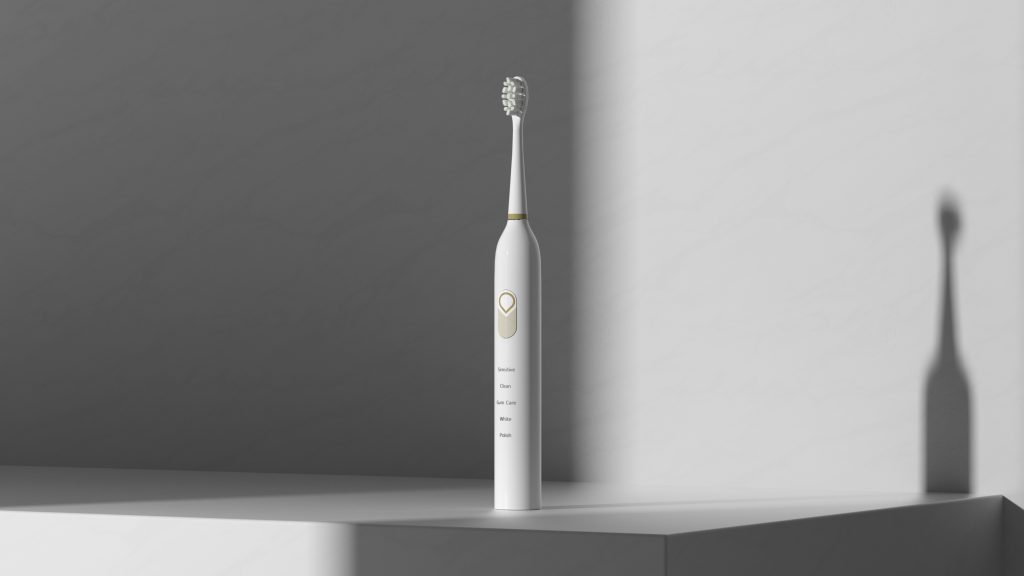
From a manufacturing perspective, achieving both aesthetics and functionality in toothbrush components is no small task. Electric toothbrush injection molding process requires precision and deep understanding to ensure consistent quality. In this blog, we will explore the core challenges in the precision injection molding customization of electric toothbrush parts, especially focusing on how to avoid common defects such as shrinkage marks and flash. We’ll also highlight crucial considerations in toothbrush mold design, material selection, and manufacturing techniques that electric toothbrush factories should pay close attention to.
Understanding the Electric Toothbrush Injection Molding Process
The electric toothbrush injection molding process involves injecting molten plastic into specially designed molds under high pressure. This process must be tightly controlled to meet aesthetic standards and mechanical strength requirements.
For toothbrush manufacturers, achieving consistent dimensions, smooth surfaces, and reliable structural integrity is key. Any deviation, such as shrinkage or flash, not only affects appearance but can lead to assembly issues or user discomfort.
Toothbrush Mold Design: The Foundation of Precision
A high-quality toothbrush mold design is critical to success. Poorly designed parting lines, inadequate venting, or incorrect runner placement can lead to flash and shrinkage issues. Best practices in mold design include:
Optimized gate placement to ensure uniform material flow
Precision venting to reduce trapped air
Balanced cooling systems to minimize warpage
Textured surfaces or draft angles to reduce ejection stress
Investing in advanced mold simulation software during the design phase can preempt many of these issues before production begins.
Shrinkage Pattern Solution: Material and Processing Adjustments
Shrinkage marks often occur due to uneven cooling or improper packing pressure. To implement an effective shrinkage pattern solution, manufacturers should consider:
Choosing the right material: Materials with lower shrinkage rates, such as PP or PC blends, are preferred.
Controlled cooling: Ensuring uniform cooling by using well-positioned water channels.
Packing optimization: Adjusting packing time and pressure to fill sink-prone areas completely.
These measures, when applied correctly, significantly reduce the occurrence of cosmetic or structural defects in molded parts.
Preventing Flash: Clamping and Tool Maintenance
Flash refers to excess plastic seeping out of the mold cavity, typically due to poor clamping force or mold wear. Here’s how electric toothbrush factories can minimize flash:
Use high-precision machines with proper clamping force calibration
Regular maintenance of mold components to avoid wear and tear
Employ tighter tolerances in tool manufacturing
Monitor injection speed and back pressure settings during production
Precision in every parameter is essential to eliminate the risk of flash during mass production.
Precision Injection Molding Customization: Tailored for Performance
When partnering with OEM clients or brands, precision injection molding customization is often required. This includes developing parts with unique shapes, textures, and colors. High-end toothbrushes may also demand co-molding or over-molding techniques for soft-grip surfaces or waterproof seals.
Customized molding not only adds to product differentiation but also demands stricter control over mold accuracy, cycle time, and repeatability. Manufacturers must be ready to adapt their tooling and process setup based on specific product and brand requirements.
Conclusion: Achieving Perfection Through Process Control
Avoiding shrinkage marks and flash is not a matter of luck but the result of robust engineering and disciplined process control. From the initial toothbrush mold design to production on the factory floor, each step in the electric toothbrush injection molding process plays a critical role in achieving superior results.
At our electric toothbrush factory, we combine experience, advanced equipment, and stringent quality systems to deliver flawless molded components that meet the highest global standards. If you’re looking for a reliable partner in precision injection molding customization, contact us today for tailored solutions.
.jpg)
