Introduction: The Critical Role of Bristle in Oral Care
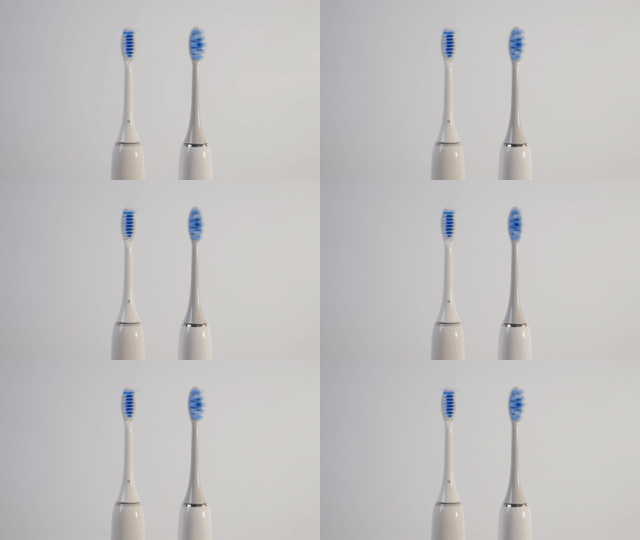
When sourcing electric toothbrush, manufacturers must pay close attention to bristle quality—a key factor that determines cleaning effectiveness and user satisfaction. The right bristle design can enhance plaque removal, gum protection, and overall brushing performance. In this guide, we’ll explore how to select the best brush filaments for optimal dual-effect cleaning and long-term oral health.
1. The Importance of Bristle Material and Durability
High-quality brush filaments should be made from soft yet durable nylon to ensure they don’t fray quickly while remaining gentle on gums. Inferior bristles may harden over time, causing gum irritation. Manufacturers should prioritize FDA-approved materials that resist bacterial growth and maintain elasticity after prolonged use.
2. Dual-Layer Bristles for Dual-Effect Cleaning
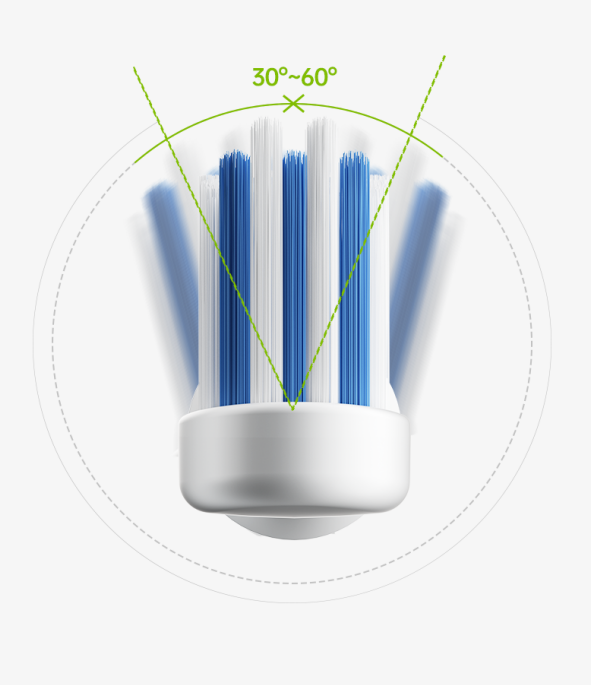
A smart bristle configuration is the double-layer bristles design, combining 0.01mm long and thin bristles with 0.15mm short and tough bristles.
The long, thin bristles (0.01mm) reach deep between teeth and along the gumline to remove hidden plaque.
The short, tough bristles (0.15mm) provide strong scrubbing power for surface stains and food debris.
This dual-effect cleaning ensures comprehensive oral hygiene, making the toothbrush more appealing to end-users.
3. Bristle Shape and Arrangement Matter
Beyond material, bristle shape and density impact cleaning efficiency:
Tapered bristles enhance flexibility for gentle gum care.
Crisscross patterns improve interdental cleaning.
High-density clusters ensure consistent coverage with each stroke.
Manufacturers should test different arrangements to optimize plaque removal without causing gum abrasion.
4. Balancing Softness and Firmness for Different Users
Not all users have the same oral care needs:
Soft bristles are ideal for sensitive gums and children.
Medium-firm bristles suit most adults for balanced cleaning.
Firm bristles (like 0.15mm short and tough bristles) may be preferred by those seeking deep stain removal.
Offering customizable options can help manufacturers cater to diverse market segments.
5. The Role of Bristle Tips in Gum Protection
Rounded bristle tips are essential to prevent gum damage. Polished filaments minimize micro-scratches on enamel and reduce gum recession risks. When sourcing bristles, manufacturers should verify that each strand undergoes end-rounding processing for a smoother brushing experience.
6. Longevity and Replacement Indicators
Even the best bristles wear out over time. Manufacturers should consider:
Color-fading indicators to remind users when to replace the brush head.
Anti-fray technology to extend bristle lifespan.
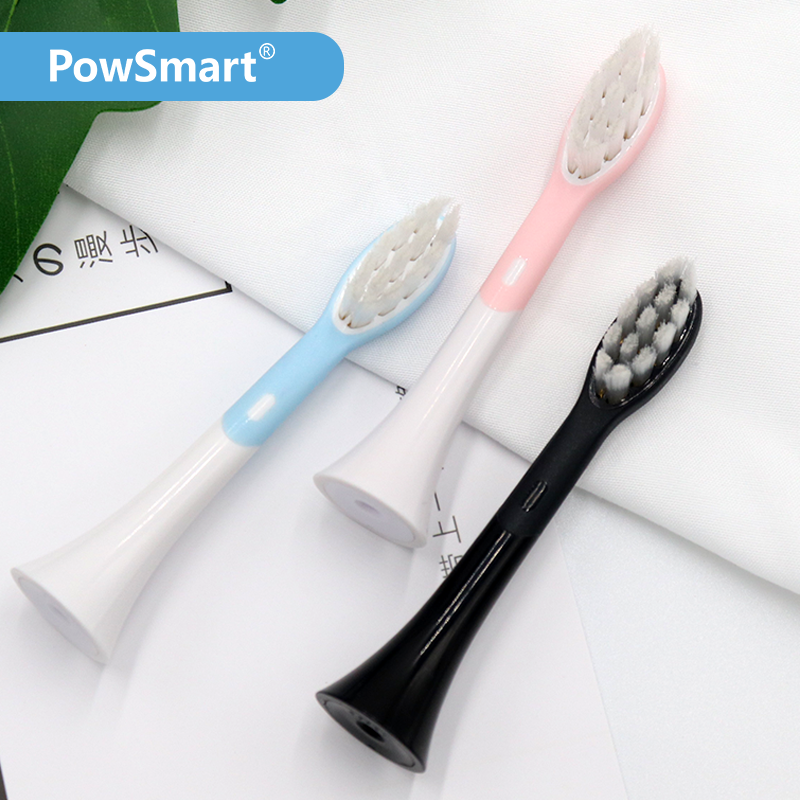
Compatibility with multiple brush head types (e.g., whitening, sensitive, deep-clean).
Conclusion: Smart Bristle Selection Enhances Product Value
Choosing the right bristles—whether double-layer bristles, 0.01mm long and thin bristles, or 0.15mm short and tough bristles—can significantly impact an electric toothbrush’s performance. By prioritizing dual-effect cleaning, gum safety, and durability, manufacturers can deliver superior products that stand out in the competitive oral care market.
For B2B partners, investing in high-quality bristle technology means happier end-users, stronger brand reputation, and increased repeat purchases. https://www.powsmart.com/
.jpg)
