In today’s highly competitive electronics market, product performance and user experience are critical to earning customer trust. However, in recent years, an increasing number of complaints and claims have focused on inadequate battery performance and system compatibility problems. This article explores the impact of Battery drain and Compatibility issues on products from six key perspectives, and offers corresponding solutions to help companies stand out in the market.
Market Demand and User Expectations
Firstly, as smart devices and portable products become more widespread, consumers have higher expectations for battery life and product compatibility. Customers not only expect devices to operate reliably for long periods, but also desire seamless integration among components. Any occurrence of Battery drain may cause the product to lose power at critical moments, while Compatibility issues can prevent the entire system from functioning as intended. Thus, understanding market demand and user expectations is the first step for companies to improve product design and manufacturing processes.
Analyzing the Root Causes of Battery Drain
Secondly, Battery drain is often caused by factors such as an inadequately designed battery management system, imprecise power consumption control, or mismatched components. Batteries may rapidly lose charge under heavy loads, temperature fluctuations, or during long standby periods, thereby affecting the overall user experience. Companies must conduct comprehensive battery performance tests during the design phase to ensure stable energy efficiency in various usage scenarios and reduce customer complaints due to insufficient power.
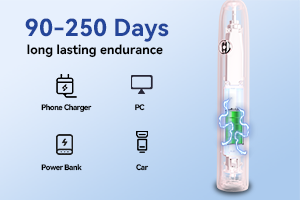
Exploring the Challenges of Compatibility Issues
Thirdly, Compatibility issues usually involve coordination problems among different modules, systems, or software. If interfaces do not match or communication protocols are inconsistent during product integration, it can lead to functional failures or data transmission errors. These issues not only compromise user experience but may also trigger a cascade of further problems, increasing after-sales service costs. Addressing compatibility issues requires cross-departmental collaboration and standardized management from design and testing to production.
Strategies for Technological Innovation and Process Optimization
To effectively tackle the challenges of Battery drain and Compatibility issues, companies should continuously innovate both technologically and in their processes. For battery drain, incorporating smart power management systems, low-power designs, and efficient cooling technologies can extend battery life. At the same time, standardizing interfaces, unifying communication protocols, and adopting modular designs ensure device compatibility. This dual approach not only enhances product performance but also reduces maintenance costs, thereby boosting market competitiveness.
Rigorous Quality Control and User Feedback Mechanisms
Furthermore, establishing a comprehensive quality control system and user feedback mechanism is key to preventing issues from occurring. Companies can monitor critical indicators such as battery performance and compatibility in real time throughout the production process, identifying potential problems promptly. By leveraging customer usage data and after-sales feedback, product designs can be continuously optimized, gradually reducing the risk of claims triggered by Battery drain and Compatibility issues. This closed-loop management model effectively enhances product reliability and user satisfaction.
Future Outlook and Paths to Continuous Improvement
Lastly, with ongoing advancements in new materials, processes, and smart technologies, further innovations in battery management and system compatibility are expected in the future. Companies should continue to invest in research and development and keep abreast of industry trends, using big data analysis and artificial intelligence to fine-tune product performance precisely. Only through continuous improvement and forward-thinking planning can products maintain a competitive edge and effectively minimize the complaints and claims associated with Battery drain and Compatibility issues.
In conclusion, Battery drain and Compatibility issues have emerged as significant challenges for today’s electronic products. By thoroughly analyzing the root causes, implementing technological innovations, and strengthening quality management, companies can not only enhance product stability and user experience but also achieve higher brand reputation in the market. Continuous improvement and proactive planning are essential strategies for coping with future market changes. Contact us https://www.powsmart.com/about-powsmart/

.jpg)
