
With the growing popularity of electric toothbrushes, many parents wonder: can children use electric toothbrush? As a trusted B2B manufacturer of dental care products, we’re here to provide clarity on this topic. In this blog, we’ll explore whether electric toothbrushes are suitable for children, focusing on concerns like toothbrushing control is not very flexible, their effectiveness in plaque removal, and why they are recommended for ages 3 and up when the enamel is basically fully developed.
1. Toothbrushing Control Is Not Very Flexible in Children
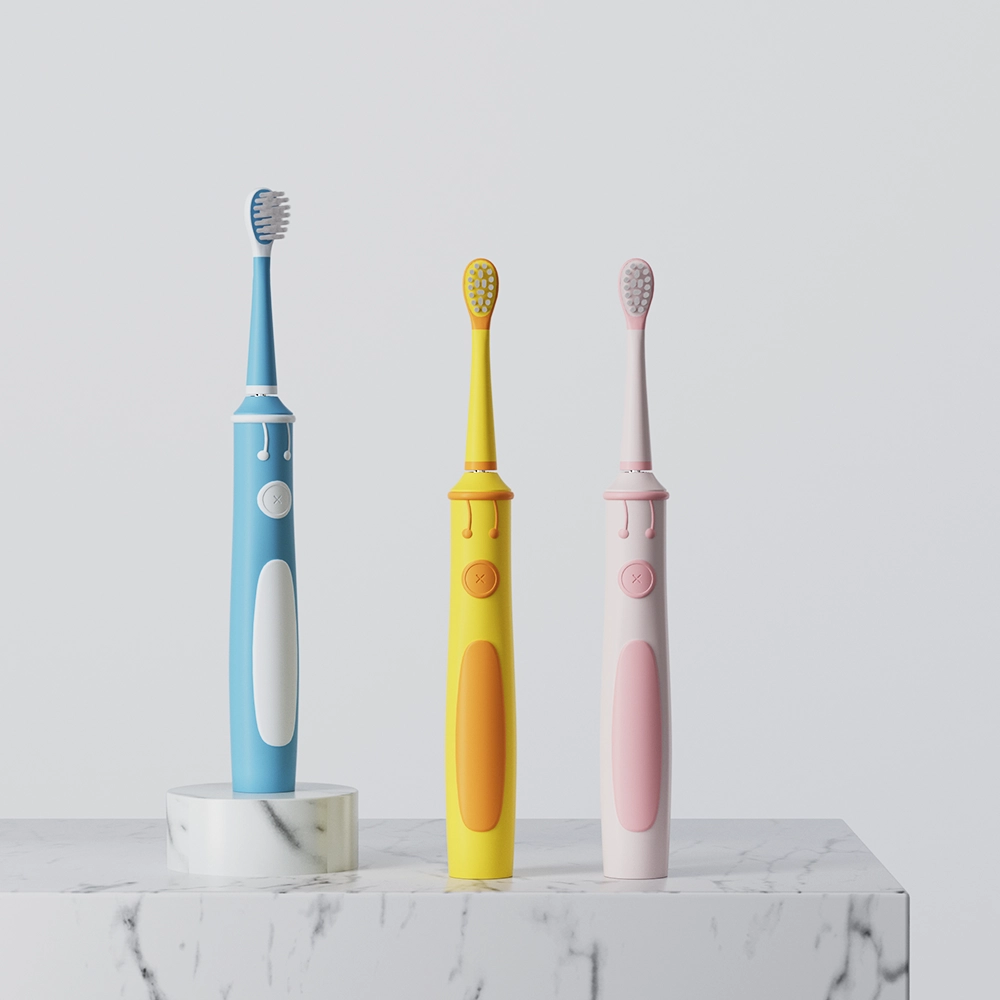
One common concern about children using electric toothbrushes is that their toothbrushing control is not very flexible. Young children may struggle to maneuver the brush properly or apply too much pressure, which could lead to gum irritation or enamel wear. However, many electric toothbrushes designed for kids come with smaller brush heads and softer bristles, making them easier to handle. Additionally, parental supervision can help children learn the correct technique and ensure safe use.
2. Superior Plaque Removal for Kids
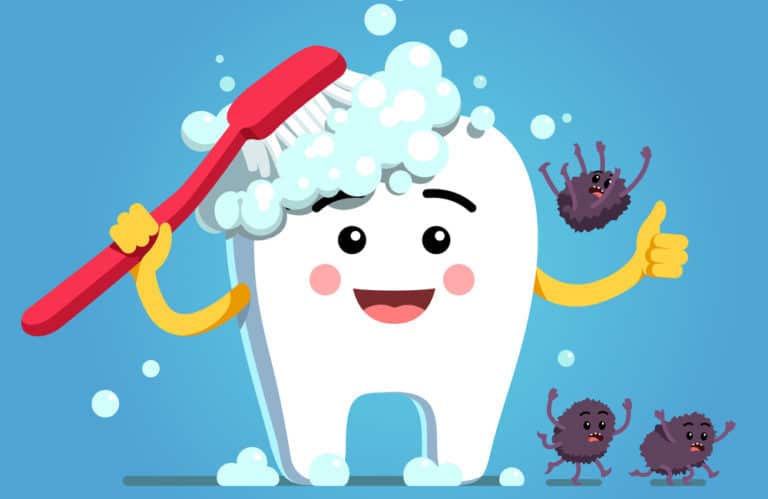
Electric toothbrushes are highly effective at plaque removal, even for children. Their rapid brush strokes can clean teeth more thoroughly than manual brushing, reaching areas that kids often miss. This is especially important for children, as they are still developing their brushing habits and may not clean their teeth as effectively on their own. By using an electric toothbrush, parents can help ensure their child’s teeth are free from plaque and reduce the risk of cavities.
3. Recommended for Ages 3 and Up
Most electric toothbrushes are recommended for ages 3 and up. By this age, children have developed the motor skills needed to handle an electric toothbrush with some guidance. Additionally, starting at age 3 allows kids to build good oral hygiene habits early, setting the foundation for a lifetime of healthy teeth and gums. Many electric toothbrushes for kids also feature fun designs, lights, and sounds to make brushing more enjoyable and engaging.
4. Enamel Development and Safety
Another reason electric toothbrushes are suitable for children aged 3 and older is that the enamel is basically fully developed by this stage. Enamel is the protective outer layer of teeth, and it needs to be strong enough to withstand the vibrations of an electric toothbrush. For younger children with less developed enamel, manual brushing is often recommended to avoid potential damage. Always consult your dentist to determine the best option for your child’s specific needs.
5. Features Designed for Kids
Many electric toothbrushes for children come with features tailored to their needs. These include smaller brush heads, softer bristles, and fun designs featuring popular characters. Some models also include timers with musical cues or lights to encourage kids to brush for the full two minutes. These features not only make brushing more enjoyable but also help children develop consistent oral care habits.
6. Tips for Introducing Electric Toothbrushes to Kids
If you’re considering an electric toothbrush for your child, here are a few tips to ensure a smooth transition:
Choose a model specifically designed for kids, with age-appropriate features.
Supervise your child during brushing to ensure they’re using the toothbrush correctly.
Teach them to avoid applying too much pressure and to brush all areas of their mouth.
Make brushing fun by incorporating songs, games, or rewards.
Conclusion
Electric toothbrushes can be a great tool for children, especially when toothbrushing control is not very flexible or when effective plaque removal is a priority. They are recommended for ages 3 and up, as the enamel is basically fully developed by this stage, making them safe and effective for young users. As a leading B2B manufacturer, we offer a range of electric toothbrushes designed specifically for children, combining fun and functionality to promote healthy brushing habits. By introducing your child to an electric toothbrush early, you can help them achieve a lifetime of healthy smiles!
https://www.powsmart.com/about-powsmart/
.jpg)
