In electric toothbrush design, the switch button may seem like a small component, but it plays a crucial role in both electric toothbrush durability and user experience. A high-quality switch button not only ensures smooth operation but also contributes to the product’s long-term reliability. This article explores the role of switch buttons, its structure and types, and how it affects user experience and overall product durability from the perspective of an electric toothbrush manufacturer.
Switch Button Structure and Type: Key Factors in Product Durability
2.1 Switch Button Structure
The switch button of an electric toothbrush typically consists of the following key components:
Button cover (usually made of silicone or plastic)
Contact mechanism (made of conductive metal or other materials)
Spring or silicone pad (to provide pressing feedback)
Waterproof sealing layer (to prevent moisture from entering the internal circuits)
A well-designed switch button must have excellent waterproofing to prevent moisture damage, which is essential for maintaining electric toothbrush durability.
2.2 Common Types of Switch Buttons
Switch buttons in electric toothbrushes can be classified into different types based on their functionality and feedback mechanism:
Mechanical press button: A commonly used type in mid-range and budget-friendly models. It offers tactile feedback but is more susceptible to water damage.
Touch-sensitive button: Provides a seamless, waterproof interface but may be less responsive when hands are wet.
Pressure-sensitive button: Adjusts brushing intensity based on user pressure, enhancing user experience, though it comes at a higher manufacturing cost.
How Switch Button Design Affects Electric Toothbrush Durability
The quality of the electric toothbrush switch button directly influences the durability of the entire toothbrush. Key factors include:
Waterproofing level: An IPX7-rated design prevents water ingress, significantly improving longevity.
Wear resistance: High-quality silicone or coated plastic prevents degradation from prolonged use.
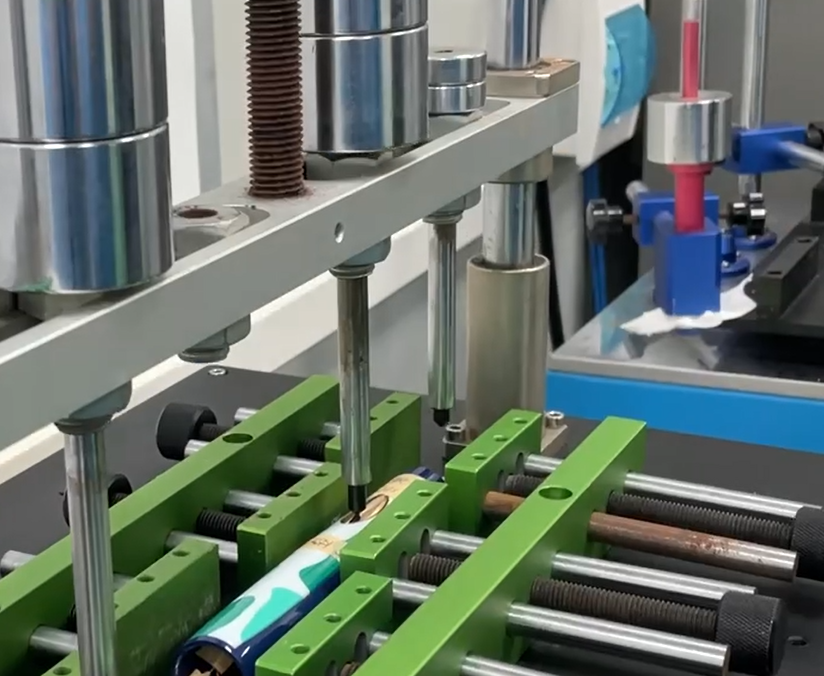
Durability testing: Premium electric toothbrushes undergo extensive button press testing (tens of thousands of cycles) to ensure long-term reliability.
A poorly designed button may lead to issues like unresponsiveness or failure, negatively impacting the product’s lifespan.
Enhancing User Experience Through Better Switch Button Design
Beyond durability, the switch button structure and type significantly impact user experience. Key factors include:
Comfortable tactile feel: The button should provide an optimal balance of resistance and softness.
Ease of operation: The size, positioning, and responsiveness should allow for effortless one-handed use.
Multi-functionality: Some high-end toothbrushes feature a single button that controls multiple cleaning modes, improving convenience.
A well-designed electric toothbrush switch button enhances overall user experience, making daily oral care more efficient and enjoyable.
Innovations in Switch Button Technology for Future Electric Toothbrushes
With advancements in technology, switch button designs are evolving to improve both durability and user experience. Future trends may include:
Seamless touch controls: Fully sealed, waterproof designs that eliminate mechanical wear.
Smart sensor activation: AI-driven sensors that detect hand movements and automatically turn the toothbrush on or off.
Self-healing materials: New durable materials that reduce long-term wear and tear.
These innovations will further enhance the electric toothbrush durability while offering users a more seamless and intuitive experience.
The Key Role of Switch Buttons in Electric Toothbrush Design
Although small, the electric toothbrush switch button is an essential component that significantly impacts both durability and user experience. A well-designed switch button structure and type ensures long-lasting performance and enhances usability.
Improving switch button technology is a key strategy to enhance product quality and market competitiveness. As the industry evolves, more advanced, durable, and user-friendly switch buttons will play a vital role in the next generation of electric toothbrushes.
.jpg)
