Water flossers have become an essential tool in modern oral care, providing an effective way to clean between teeth and along the gumline. However, different people has different oral condition. This is why selecting the right water flosser pressure setting is crucial. The ideal pressure level varies depending on individual needs, making water flosser customization an important consideration. In this article, we will explore the different water pressure settings for different oral types and provide guidance on selecting the best one for optimal oral health.
Understanding Water Flosser Pressure Levels
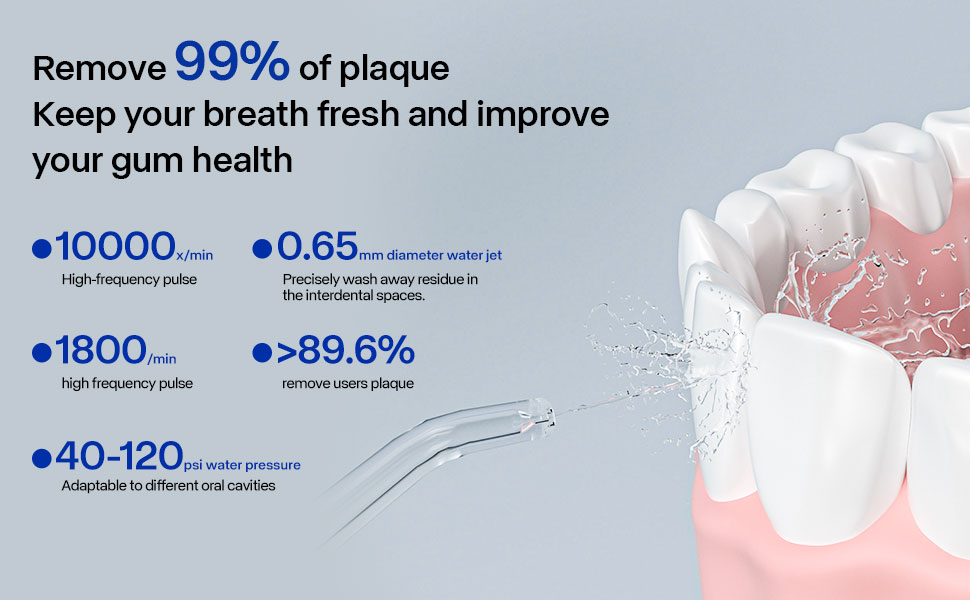
Water flossers typically offer multiple pressure settings, ranging from low (gentle) to high (intense). The variation in pressure allows users to adjust their experience based on their oral sensitivity and specific cleaning requirements.
Low pressure (10-40 PSI): Suitable for sensitive gums, recent dental work, or first-time users.
Medium pressure (40-70 PSI): Recommended for general daily use and maintaining healthy gums.
High pressure (70-100+ PSI): Ideal for users with braces, implants, or those who need deeper plaque removal.
Choosing the right water flosser pressure setting ensures effective cleaning while preventing unnecessary gum irritation or damage.
Identifying Different Oral Types and Their Needs
Each person has unique oral health conditions, and the right water pressure for different oral types varies. Below are some common oral conditions and the recommended pressure settings:
A. Sensitive Gums and Gum Disease
Users with gum sensitivity, gingivitis, or periodontal disease should start with the lowest pressure setting to avoid irritation.
Recommended setting: Low pressure (10-40 PSI)
Why? Gentle water flow helps clean without causing discomfort or bleeding.
B. Orthodontic Patients (Braces & Retainers)
People with braces or retainers require a stronger water flow to effectively remove trapped food and plaque.
Recommended setting: High pressure (70-100+ PSI)
Why? A higher pressure level can reach between brackets and wires for thorough cleaning.
C. Dental Implant & Bridge Users
For those with implants, crowns, or bridges, a moderate pressure setting is typically best to clean around artificial structures without causing damage.
Recommended setting: Medium to high pressure (50-80 PSI)
Why? Ensures proper cleaning while protecting dental work.
D. Everyday Oral Maintenance
For users with healthy teeth and gums, a balanced pressure setting is ideal for regular oral hygiene.
Recommended setting: Medium pressure (40-70 PSI)
Why? Provides effective plaque removal without being too harsh.
Benefits of Water Flosser Customization
Customizing your water flosser pressure setting to match your oral health needs provides several benefits:
Improved oral hygiene: Ensures effective plaque and bacteria removal.
Reduced gum irritation: Prevents bleeding and discomfort for sensitive users.
Enhanced comfort: Personalized pressure levels enhance the user experience.
Better protection for dental work: Protects braces, implants, and crowns from excessive pressure.
By understanding different water pressure settings for different oral types, users can optimize their oral care routine and achieve better long-term dental health.
How to Adjust and Test the Right Pressure Setting
Step 1: Start with the Lowest Setting
If you are new to using a water flosser, begin with the lowest pressure setting and gradually increase it to find a comfortable level.
Step 2: Observe Your Gums’ Response
If you experience bleeding or discomfort, lower the pressure immediately. If cleaning feels insufficient, try a higher setting.
Step 3: Adjust Based on Your Oral Type
Refer to the oral type categories above and select the recommended pressure range for your specific needs.
Step 4: Regularly Reassess Your Needs
Common Mistakes to Avoid When Selecting Water Flosser Pressure
Using too high pressure for sensitive gums – This can cause gum recession and discomfort.
Staying on low pressure when deep cleaning is needed – Ineffective plaque removal may lead to oral health issues.
Not adjusting pressure for dental work – Crowns, implants, and bridges need moderate pressure to prevent damage.
By avoiding these mistakes, you can make the most of your water flosser while protecting your oral health.
Finding the Perfect Pressure Setting for Your Oral Health
Choosing the right water flosser pressure setting is key to maintaining a healthy mouth. Since different oral types require different pressure levels, water flosser customization allows users to achieve the best cleaning experience. Whether you have sensitive gums, braces, or implants, understanding the different water pressure settings for different oral types helps you optimize your oral care routine.
For oral care brands, offering adjustable pressure settings and clear user guidance can improve customer satisfaction and expand market reach. Investing in water flosser customization ensures that products cater to a wide range of oral health needs.
Would you like recommendations for the best customizable water flossers for your brand? Contact us today for expert advice!https://www.powsmart.com/contact-us/
.jpg)
