In today’s fast-paced life, oral irrigators have become an essential tool for many people’s oral care. As an efficient oral cleaning device, water flossers can not only remove food debris between teeth, but also effectively prevent oral problems such as bleeding gums, tartar and bad breath. So, how is this high-tech product completed from design to production? If you’re a water flosser brand and curious about the production process, Let’s go to the production factory of water flossers to understand the production process and technology of water flossers.
From Concept to Creation: The Design Stage
Before entering the oral irrigator factory, all production steps are from precise design. The design team will first conceive the overall appearance and function of the water flosser brand based on market demand, user experience and technological innovation. At this time, designers work with engineers to determine key factors such as water flow pressure, nozzle angle, button layout and battery life of the water flosser.
Material Selection: High-Quality Components for Better Performance
The performance of water flossers depends not only on its design, but also on the materials used. In the oral irrigator factory, the first thing to do is to select durable and safe materials to ensure that the water flosser can maintain stable functions after long-term use. Commonly used materials include food-grade plastics, stainless steel parts, and high-performance batteries. The selection of these materials needs to meet multiple standards such as water resistance, corrosion resistance, and oxidation resistance.
The Production Process: From Parts to Assembly
In the oral irrigator factory, the production process can be divided into several key steps: first, the injection molding of parts, followed by the assembly of motors, nozzles, and nozzles. Every link in the production line is strictly controlled to ensure that the size and shape of each component are exactly the same as the design. Then, workers will combine all the parts according to production needs and conduct strict quality inspections on each water flosser.
Advanced Technology: Ensuring Precision and Efficiency
Technological innovation in the oral irrigator factory is the key to product efficiency. With the continuous advancement of technology, modern water flosser band use many advanced technologies, such as intelligent water pressure regulation systems, wireless charging functions, and a variety of nozzle designs. Through precise water flow control technology, water flossers can adjust different pressures to meet different oral cleaning needs. At the same time, the factory will also use automated equipment to improve production efficiency and reduce errors caused by human operation.
Quality Control: The Final Test
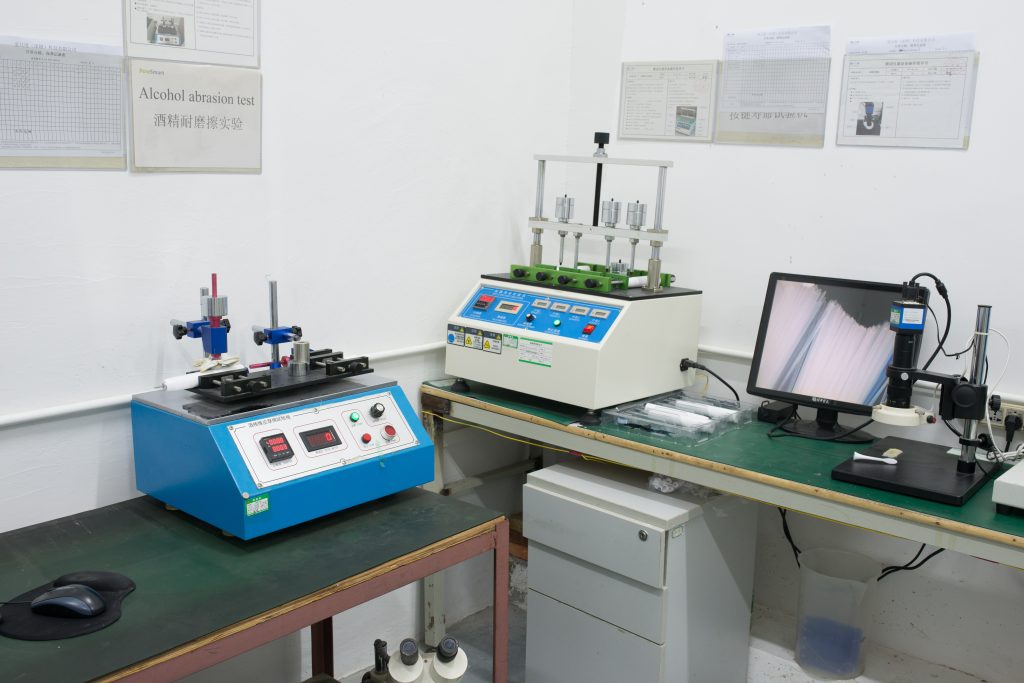
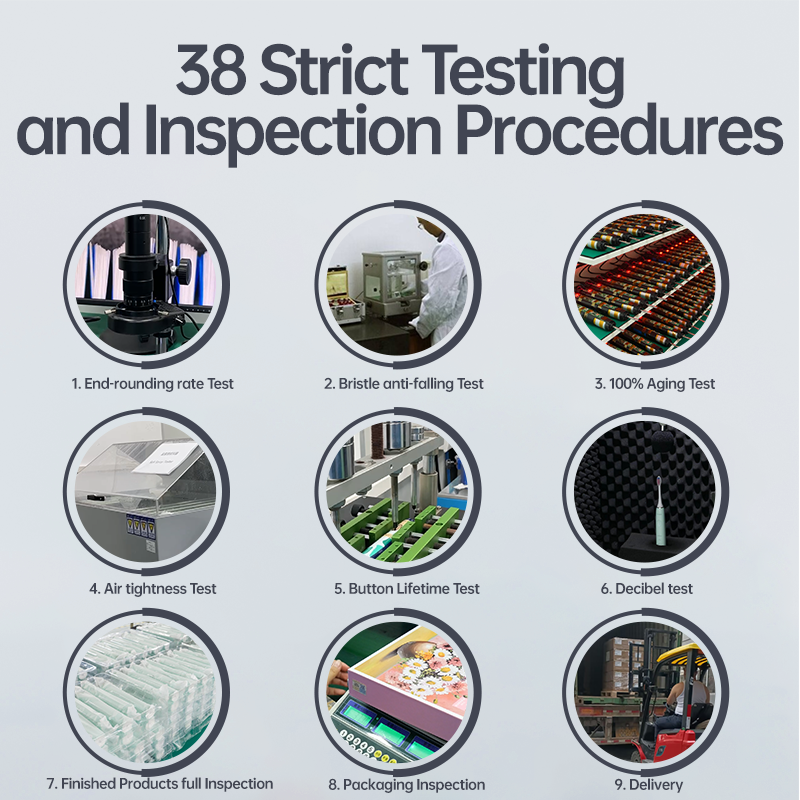
During the production process, quality control is a link that every water flosser production factory cannot ignore. Each water flosser must undergo a series of tests before leaving the factory, including water flow test, battery life test, pressure test, etc. Ensure that each water flosser can provide the best cleaning effect when used. Through a series of quality inspections, the factory ensures that each product meets international standards and provides consumers with a long-term and reliable use experience.
Packaging and Shipment: Delivering Quality Worldwide
After completing all production and testing processes, we’ll start packaging to ensure safety during transportation. The factory cooperates with global logistics companies to deliver these high-quality water flossers to consumers around the world. Whether it is an online sales platform or an offline retailer, consumers can easily purchase water flossers that have undergone strict quality control.
The Future of Water Flossers
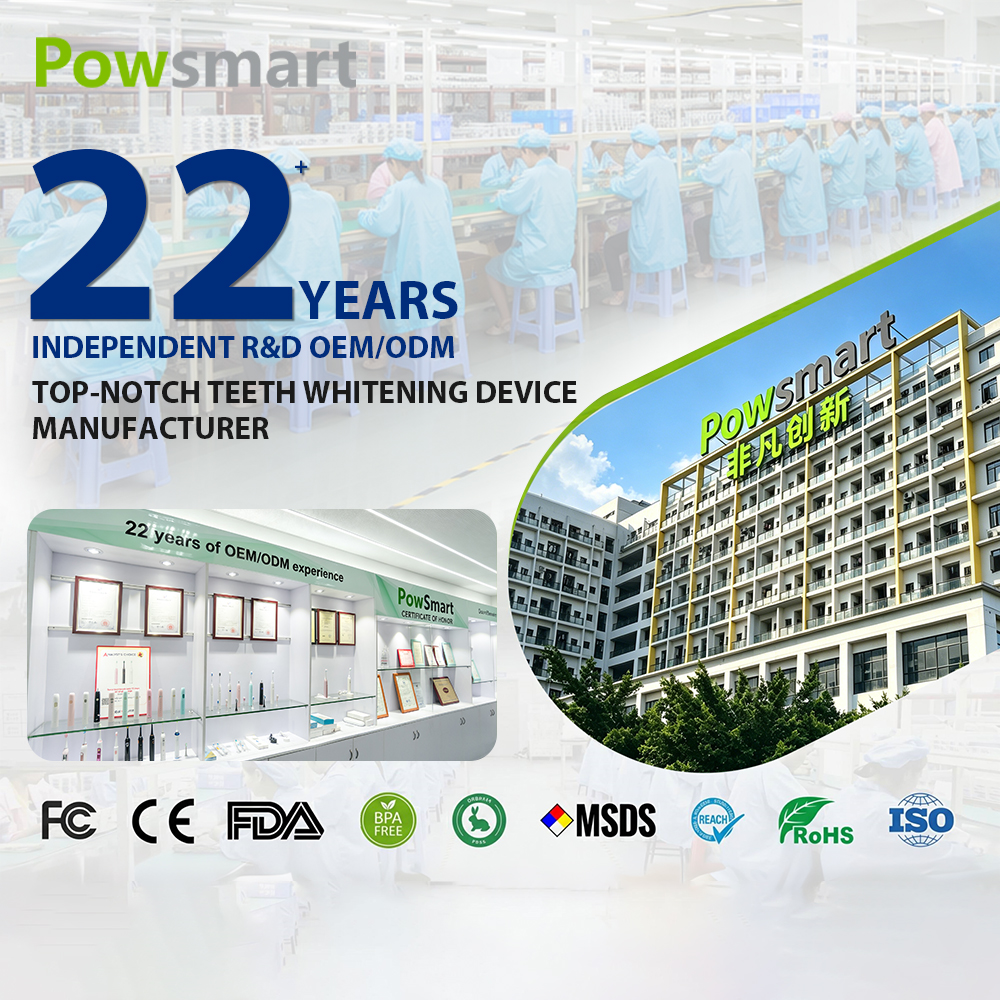
From design to production, from technology to quality control, every part of a successful water flosser brand is the result of the hard work of the factory’s technicians. The oral irrigator factory uses advanced production technology and strict quality control to bring users a more efficient, safe and comfortable oral cleaning experience. With the continuous advancement of science and technology, the functions and technologies of water flossers will continue to innovate, and oral care will become more intelligent and convenient in the future.
.jpg)
