Electric toothbrushes have become a staple in oral care routines worldwide, thanks to their superior cleaning capabilities and advanced features. However, few consumers understand what goes into the making of these devices. By exploring the materials and processes used in electric toothbrush manufacturing, we can gain insight into how these essential tools combine durability, safety, and efficiency.
Key Materials Used in Electric Toothbrushes
a. Plastics for Housing and Design
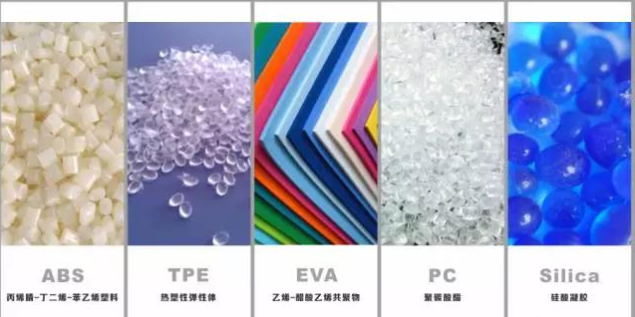
The outer casing of an electric toothbrush is typically made from durable and lightweight plastics such as ABS (Acrylonitrile Butadiene Styrene) or polycarbonate. These materials ensure the toothbrush is water-resistant and safe for prolonged use. High-quality plastics also provide a sleek finish, enhancing the aesthetic appeal of the toothbrush.
b. Metals for Motors and Components
Electric toothbrushes rely on small, precision-engineered motors, which are often made of stainless steel or other robust metals. These materials are essential for creating the vibrations or rotations needed for effective cleaning, a hallmark of the electric toothbrush manufacturing process.
c. Soft Nylon for Bristles
Soft nylon to ensure effective cleaning without damaging enamel or gums. In many cases, manufacturers use different grades of nylon for varied cleaning modes, such as sensitive or deep-cleaning options.
The Role of Advanced Materials in Electric Toothbrush Design
As an electric toothbrush manufacturer, Powsmart continuously innovate by integrating advanced materials into electric toothbrushes. For example:
- Silicone Elements: Increasingly used for ergonomic grips and softer brush heads for children.
- Lithium-Ion Batteries: Compact and rechargeable, these batteries are critical for powering modern electric toothbrushes.
Such innovations highlight the emphasis on combining performance and user comfort in electric toothbrush materials.
The Manufacturing Process: From Materials to Finished Products
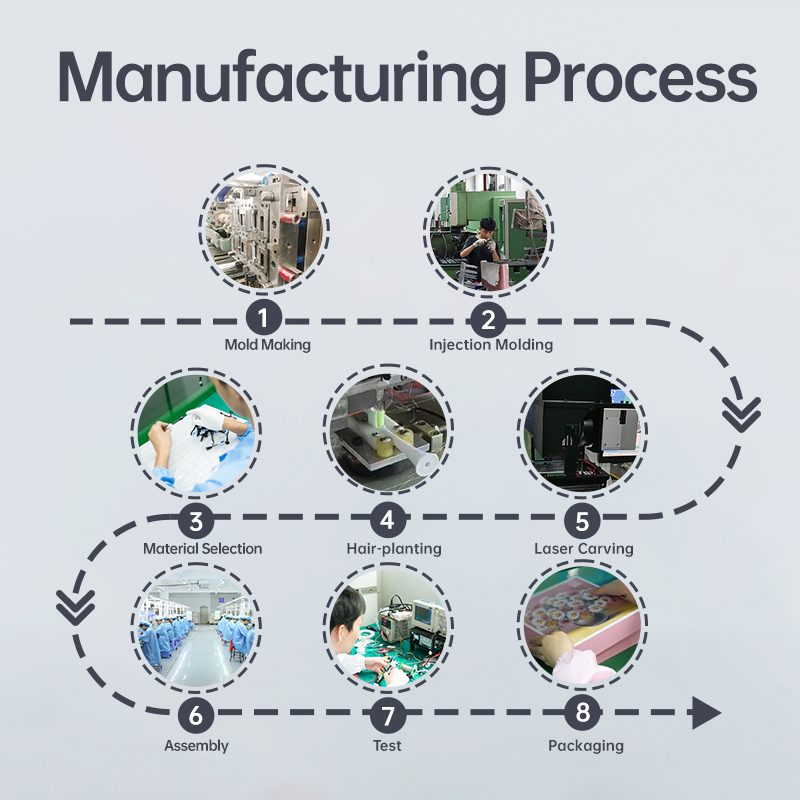
The electric toothbrush manufacturing process involves several stages:
- Material Sourcing: Ensuring all components, from plastics to metals, meet regulatory standards for safety and quality.
- Injection Molding: Creating precise plastic housings for the toothbrush body.
- Assembly: Integrating motors, batteries, and electronic circuits into the housing.
- Quality Control: Rigorous testing ensures durability, waterproofing, and functionality.
With the development of our R&D ability and the increasing need of oral care market, Powsmart is able to produce high-quality products at scale while maintaining cost efficiency.
Sustainability in Electric Toothbrush Materials
As environmental concerns grow, many companies are adopting sustainable practices.
- Recyclable Plastics: Some manufacturers are transitioning to biodegradable or recyclable plastics to reduce waste.
- Longer Battery Life: Enhancing battery performance reduces the need for frequent replacements, minimizing electronic waste.
These efforts align with the future of electric toothbrush manufacturing, catering to both consumer demand and environmental responsibility. Powsmart is going to dive into the research and development in this field.
Conclusion
Understanding what electric toothbrushes are made of offers valuable insights into their durability, functionality, and appeal. From high-quality plastics and metals to innovative design elements, every material plays a critical role. For businesses in the oral care industry, staying informed about electric toothbrush materials and sustainable manufacturing practices is essential to staying competitive in this dynamic market. Don’t hesitate to contact Powsmart if you’re interested to know more about the electric toothbrush manufacturing process. https://www.powsmart.com/simples/private-label-electric-toothbrush-ptr-e-8/
.jpg)
