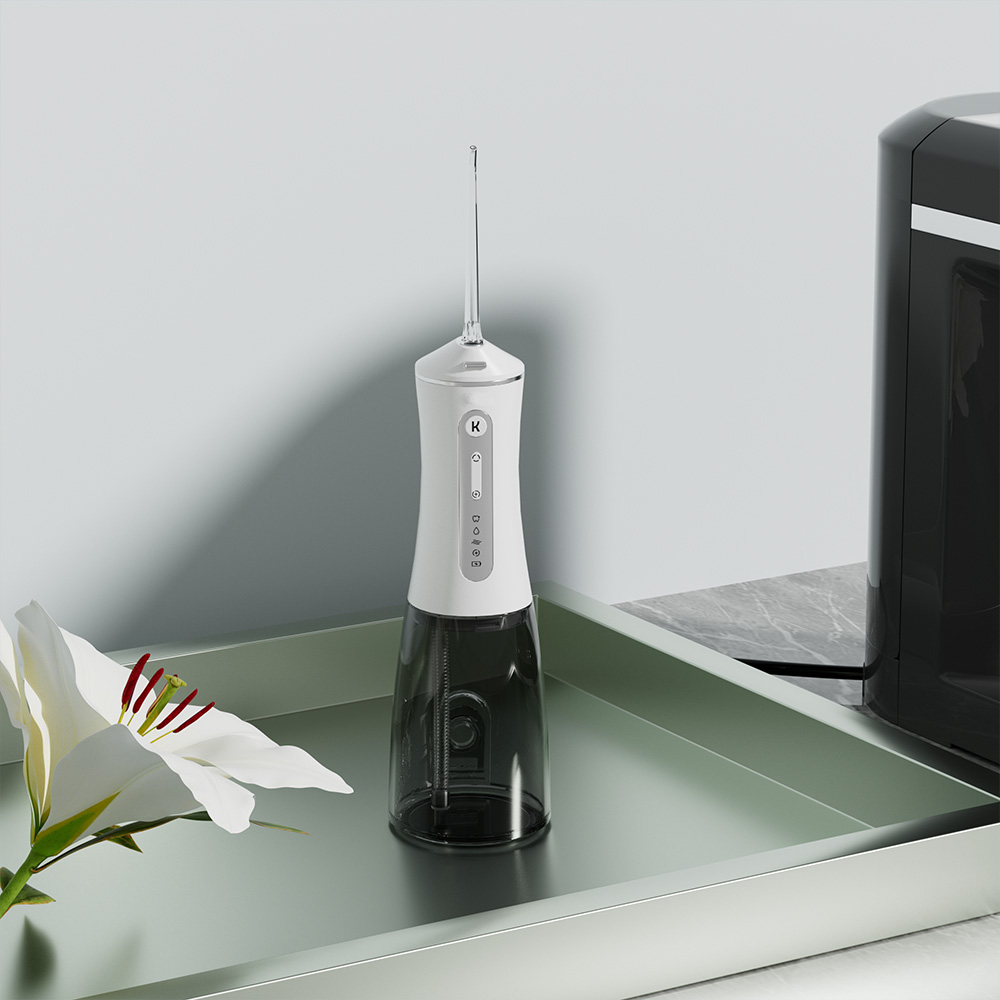
Water flossers have become a popular tool for maintaining oral hygiene. Their ability to effectively remove plaque and food particles makes them a favorite among users. However, not everyone is an ideal candidate for this device. Understanding the water flosser usage precautions is essential to ensure safety and optimal results. This blog will discuss who might not be suitable for using water flossers and the reasons behind it.
People with Severe Gum Diseases
Individuals with advanced gum diseases, such as periodontitis, should consult their dentist before using water flossers. While these devices can help with mild gum issues, high-pressure water streams may exacerbate inflammation or bleeding in severe cases. Following the advice of a dental professional is a critical water flosser usage precaution.
Those with Oral Surgeries or Wounds
If you have recently undergone oral surgery or have open wounds in your mouth, using a water flosser could delay healing or cause discomfort. The water pressure might interfere with stitches or irritate the wound. In such cases, it’s better to wait until your mouth has fully healed before resuming the use of water flossers.
Individuals with Sensitive Teeth or Gums
People with highly sensitive teeth or gums may find water flossers uncomfortable, even at the lowest settings. The pressure from the water jet can sometimes cause sensitivity to worsen. For these individuals, manual flossing or other gentle cleaning methods might be a better choice, keeping water flosser usage precautions in mind.
Children Without Supervision
Water flossers are not typically recommended for young children unless used under adult supervision. Children may not know how to control the device properly, leading to potential gum damage. Parents must ensure that kids are using the water flosser safely and at appropriate pressure levels.
People with Specific Medical Conditions
Certain medical conditions, such as uncontrolled diabetes or cardiovascular issues, may require caution when using water flossers. These conditions often come with oral health complications, and improper use of a water flosser might worsen these issues. It’s always wise to consult a healthcare provider when incorporating new oral care devices into your routine.
Conclusion
While water flossers are a highly effective tool for maintaining oral hygiene, they are not suitable for everyone. By understanding the water flosser usage precautions and considering individual health conditions, users can make informed decisions about their oral care. Always consult a dental professional to ensure that a water flosser is the right choice for your specific needs. https://www.powsmart.com/contact-us/
.jpg)
