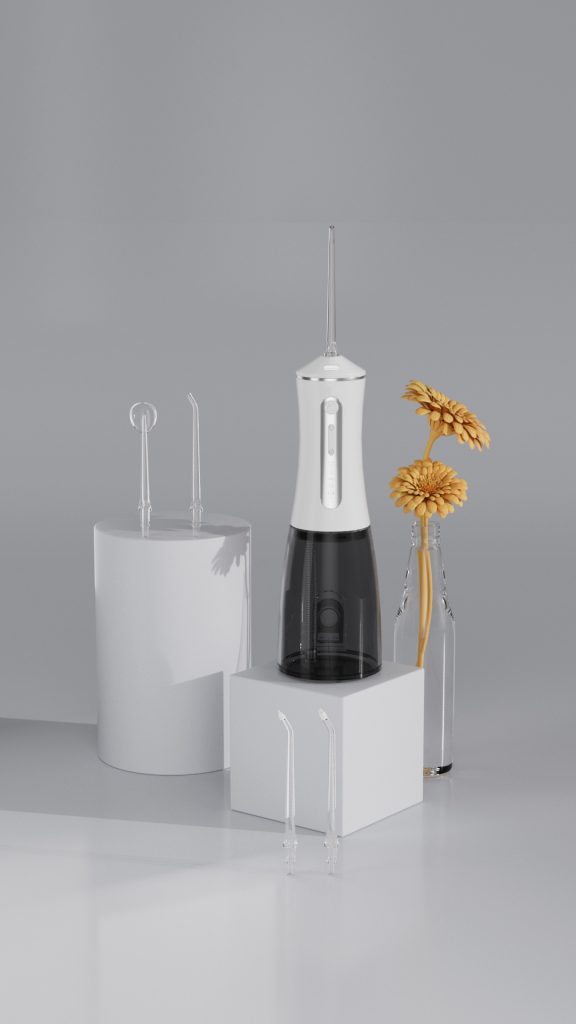
When it comes to maintaining oral hygiene, flossing and floss rinsers are two common tools that can help remove food debris and plaque from between your teeth. However, both have their own advantages and disadvantages and are suitable for different usage scenarios and people. As a manufacturer of oral care products with 20 years of OEM/ODM experience, Powsmart produces compact and portable dental floss rinsers, which are highly favored by travel enthusiasts and business travelers. In this article, we will analyze the difference between tooth flossers and dental flossers from five aspects to help you choose the best oral cleaning tool for you.
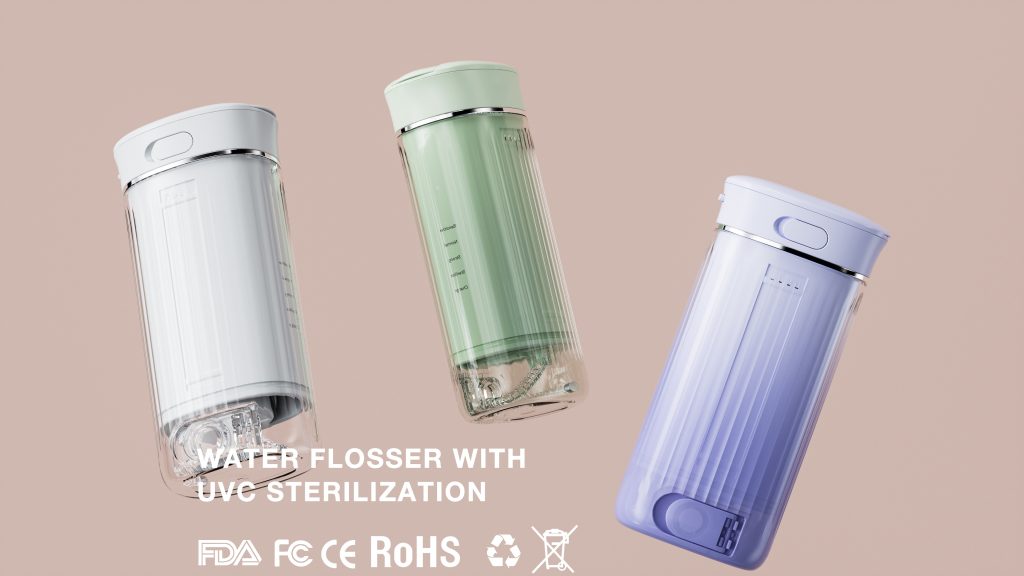
1. The difference in cleaning method
Flossing works by physical friction to remove food debris and plaque from between the teeth. A dental flosser, on the other hand, uses a high-pressure stream of water to rinse between the teeth and the gum line. Flossing may be more familiar to those who are used to the traditional method. But with its gentle stream of water, the flosser cleans deeper in areas that are hard to reach with floss, such as under the gums or around braces, and we have nozzles designed specifically for orthodontic users that have better cleaning power.
Powsmart’s flosser has a compact design and precise water flow control to effectively clean stubborn food residue from between teeth. Especially for users wearing braces or bridges, the flosser can significantly improve cleaning efficiency.
2. Ease of use
In terms of ease of use, flossing is relatively simple and easy to carry and can be used anytime and anywhere. However, flossing may be uncomfortable or difficult for some people with tightly aligned teeth or braces. In contrast, a dental flosser is much easier to operate, although it needs to be recharged or plugged in for use. Simply fill the tank with water, start it up, and aim it at your teeth to rinse, without the need to pull repeatedly like flossing. Our flosser can last 25-30 days on a full charge, so there’s no need to worry.
3. Gum Health Maintenance
While flossing is effective in removing plaque, it can cause bleeding gums or damage gum tissue if not used properly. A dental flosser, on the other hand, will not cause mechanical damage to the gums because of the gentle flow of water, but can instead improve gum health by massaging the gums and promoting blood circulation. For people with sensitive gums or those who bleed easily, a dental flosser is obviously a better choice.
4. Environmentally Friendly and Sustainable
In terms of environmental protection, dental floss is usually a disposable product that needs to be discarded after each use, which can create some waste in the long run. Unlike dental flossers, they do not require frequent replacement of accessories and use water as the cleaning medium, which reduces the burden on the environment. With regular charging and cleaning, the flosser can be used for a long time.
The Powsmart Tooth Flosser not only conforms to the modern concept of environmental protection, but its efficient cleaning method also helps users to reduce the waste of dental floss, which is especially suitable for consumers who are concerned about environmental protection.
5. Suitable Users
Flossing is suitable for those with well-aligned teeth and large gaps, especially those who are used to traditional cleaning methods. Flossers are more suitable for users with braces, bridges or crowns, or those with denser teeth and more sensitive gums. Additionally, users who travel frequently or on business trips will also prefer a portable flosser.
With its compact and portable design, the Powsmart dental flosser has become the preferred choice of many business travelers and travel enthusiasts. Whether you are traveling for business or holiday, it provides professional oral care anywhere, anytime.
Summary
Flossing and floss rinsers each have their own advantages. The key is to choose the right tool for your oral care needs. While flossing is suitable for traditional users, flossers are more convenient and comfortable, especially for those who have more difficulty taking care of their teeth. Powsmart, as a flosser factory with 20 years of OEM/ODM experience, not only optimizes the performance of its products, but also pays more attention to the actual needs of users, and launches compact and portable flossers, which are highly favored by consumers. If you are looking for a more efficient and environmentally friendly oral care tool, the flosser may be the ideal choice for you.
.jpg)
