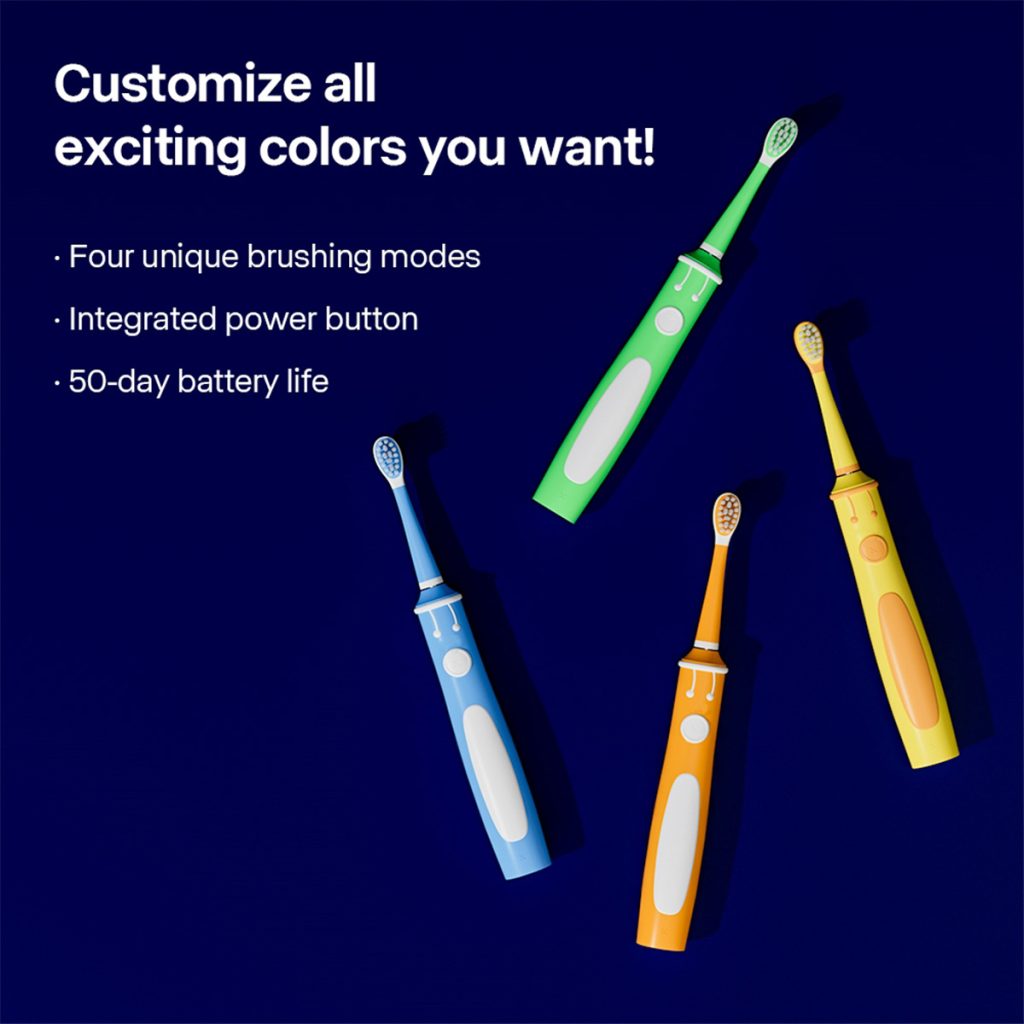
Functional Comparison
Ultrasonic toothbrushes use sound waves (over 20,000 Hz) to remove plaque, while sonic toothbrushes use high-frequency sonic vibrations (about 31000-40000) to clean teeth. Studies have shown that ultrasonic toothbrushes perform better in plaque removal, with data showing that they can reduce plaque by up to 70%.
Cleaning Effect
In terms of cleaning effect, ultrasonic toothbrushes can penetrate between teeth and hard-to-reach areas. According to a clinical trial, people who used ultrasonic toothbrushes improved their gum health index by 30% within three months. Sonic toothbrushes, on the other hand, rely on the mechanical movement of the brush head, which is also effective, but the cleaning depth is relatively shallow.
User Experience
Ultrasonic toothbrushes are usually quieter and vibrate less, making them more comfortable to use and suitable for people with sensitive gums. In contrast, the vibration of sonic toothbrushes is stronger, which may make some users feel uncomfortable. However, according to market research, about 65% of users prefer sonic toothbrushes because they have obvious cleaning effects and are easy to control.
Cost Analysis
The price of ultrasonic toothbrushes is generally higher than that of sonic toothbrushes, but the oral health benefits brought by long-term use are often higher. Many users reported that although the initial investment is large, ultrasonic toothbrushes have potential economic benefits in reducing dental treatment costs.
Conclusion and Recommendation
On the whole, Ultrasonic toothbrushes are more suitable for users who pursue efficient cleaning and have special oral needs, while Sonic toothbrushes are suitable for consumers with limited budgets and cost-effectiveness. According to data analysis, choosing the right type of toothbrush can significantly improve oral health, and users are advised to make choices based on their own needs.
.jpg)
