In modern ultrasonic scaling and electric polishing devices, the vibration frequency impact directly influences post-treatment sensitivity. Frequencies that are too high or inconsistent can over-open dentin tubules and intensify gum and dentin irritation, compromising patient comfort and satisfaction. Therefore, understanding how vibration frequency relates to sensitivity is crucial for B2B device design and clinical protocols.
Vibration frequency determines how many oscillations your scaler or polisher delivers per second:
Finding the right band prevents unnecessary jarring while still achieving effective cleaning.
Post-treatment sensitivity stems from fluid movement within dentin tubules:
Therefore, precise frequency control is key to protecting dentin integrity.
Clinical studies demonstrate the relationship between frequency and comfort:
These data provide evidence-based targets for your device settings.
To minimize sensitivity while maintaining efficacy, manufacturers should consider:
This holistic approach ensures powerful cleaning without compromising patient comfort.
Correct technique is just as important as hardware:
Structured training helps standardize practice and reduce post-treatment sensitivity.
For long-term optimization, integrate intelligence and data analytics:
By continuously refining hardware, software, and protocols, B2B partners can lead the way in delivering low-sensitivity, high-performance treatments.
Conclusion
The vibration frequency impact plays a pivotal role in post-treatment sensitivity. Only through precise frequency control, smart feedback, rigorous technique training, and data-driven iteration can manufacturers provide devices that both clean effectively and preserve patient comfort. For collaboration on next-generation low-sensitivity dental equipment, please contact our engineering team!
.jpg)
Does Your Brush Fight Plaque Smartly?
Over-Bleaching Effects from Whitening Effectiveness Claims?
Why Dentin Exposure Risk with UV Light Risks?
A Must-Have Guide for Brands to Deal with Water Leakage, Unstable Pressure, and charging failure repair of Water Flosser
Colorado Electric Toothbrush for Outdoor Enthusiasts
Which Electric Toothbrush Works Best in Hard Water Areas in Arizona and Colorado?
Why Does the Oral Irrigator Make Abnormal Noise After Being Used for a Period of Time?
Pregnancy Contraindications & Noise Level Concerns: Safe?
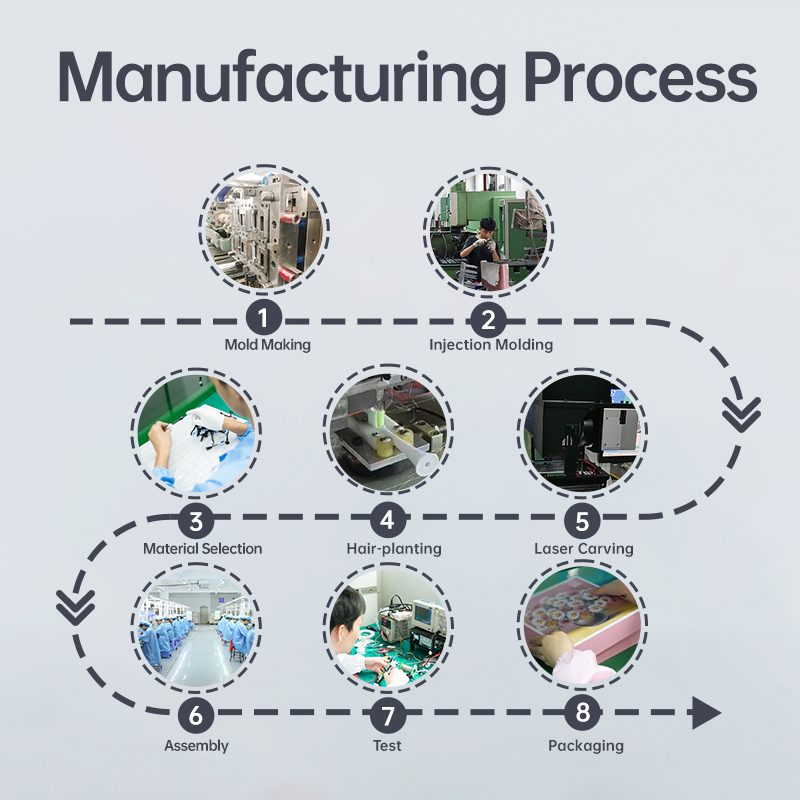
Key Process Traceability of Electric Toothbrushes: Quality Inspection Record Management of Motor Calibration and Waterproof Testing
Child Compatibility Meets Cold Light Sensitivity: Safe?
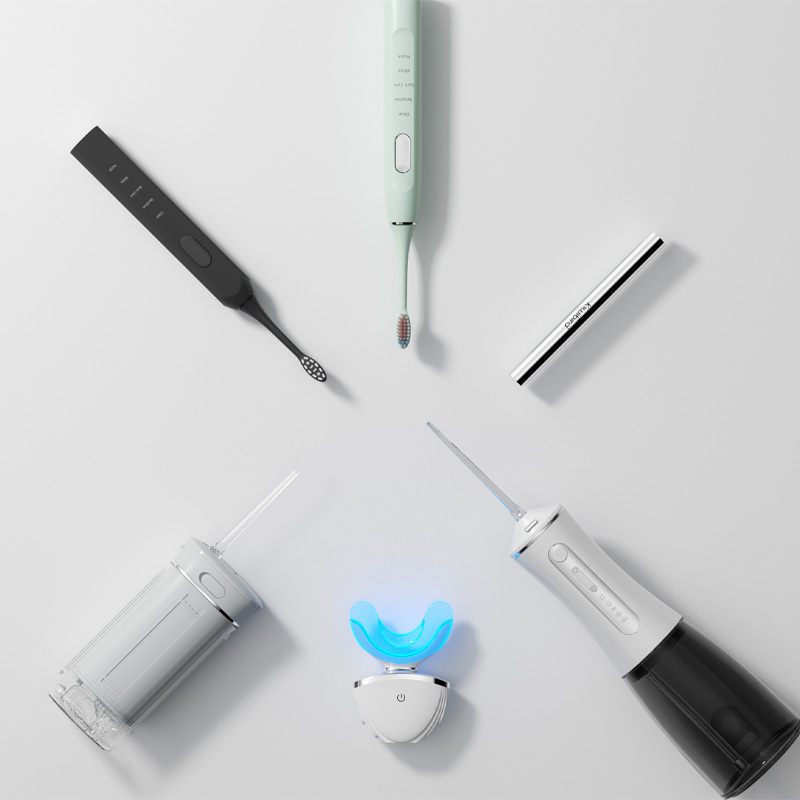
Why the Colorado outdoor toothbrush is the ultimate Colorado adventure toothbrush
Does Toothbrush Battery Life Impact Gum Recession Risk?
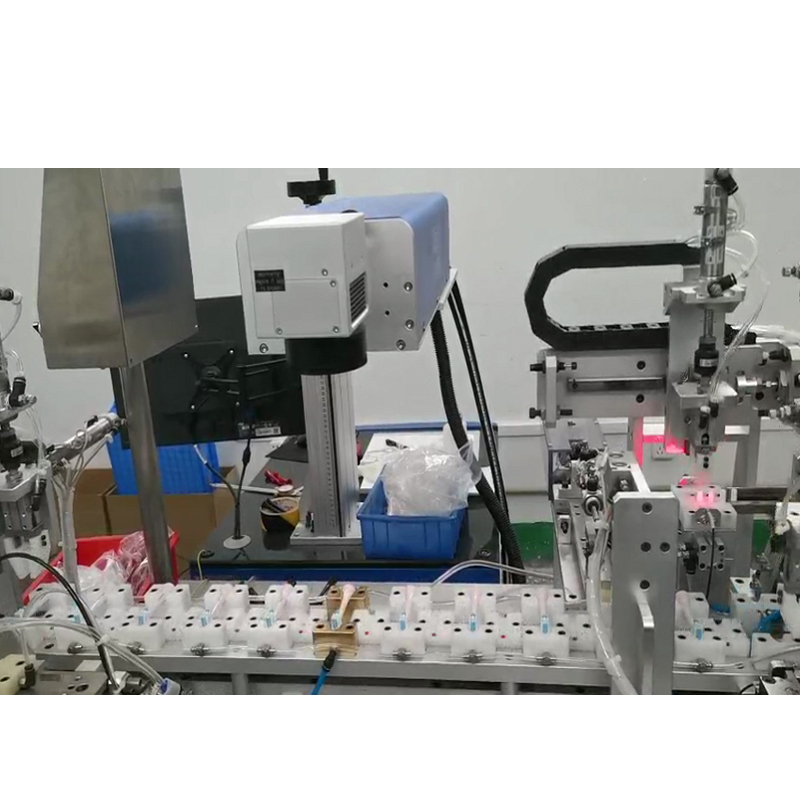
Electric Toothbrush Production Process Diagram: Complete Process from Injection Molding to Assembly and Key Points of Quality Inspection
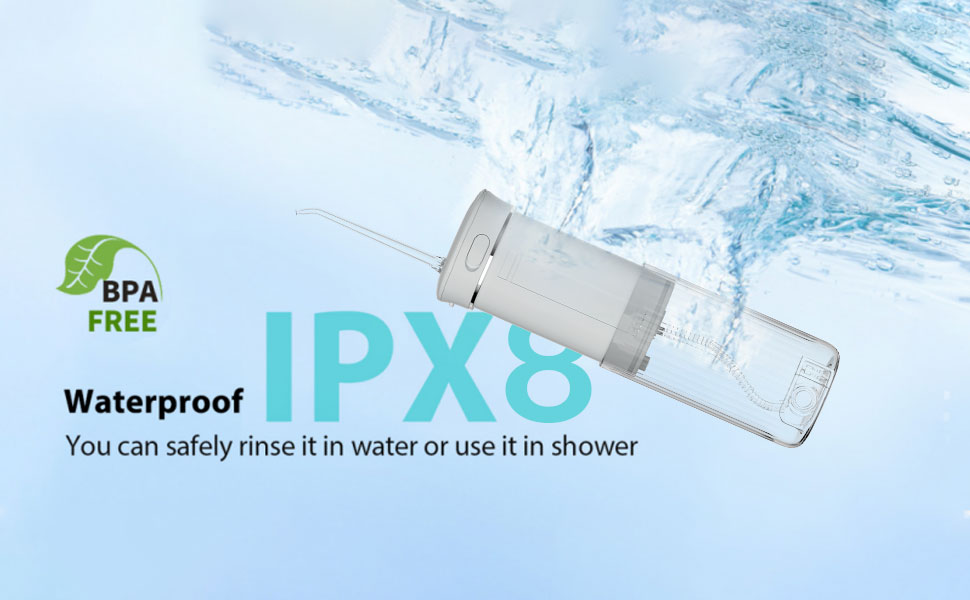
Improvement Record of Waterproof Defect of Water Flossers and the Latest Technical Solutions
Can Brush Head Rotation Cause Enamel Erosion?

Electric Toothbrush OEM Must-Know Question: How Much Money Can the Existing Mold Library Save?


.jpg)
.jpg)
.jpg)
.jpg)
.jpg)