Integrating UV sterilization into oral-care devices offers powerful antimicrobial action—but without careful design, UV light risks can aggravate dentin exposure risk by weakening enamel and altering surface chemistry. In this blog, we’ll explore the interplay between UV disinfection and tooth integrity, identify root causes, and propose engineering and usage strategies to harness UV benefits safely.
First and foremost, UV light is prized for eliminating pathogens quickly without chemicals. However, excessive exposure—even at low wavelengths—can produce micro-abrasions in enamel’s crystalline structure. Consequently, enamel thinning accelerates, raising dentin exposure risk and patient sensitivity. Therefore, any UV-equipped toothbrush or flosser must balance microbial kill rates with enamel preservation.
Moreover, exposed dentin occurs when enamel is compromised, either mechanically or chemically. Key factors include:
These combined stresses converge to thin enamel, uncovering the sensitive dentin layer beneath.
Furthermore, UV wavelengths (typically 265–285 nm) are chosen for germicidal efficacy. Yet, potential hazards include:
Recognizing these UV light risks is the first step toward engineering safer devices.Company web:https://www.powsmart.com/product/electric-toothbrush/
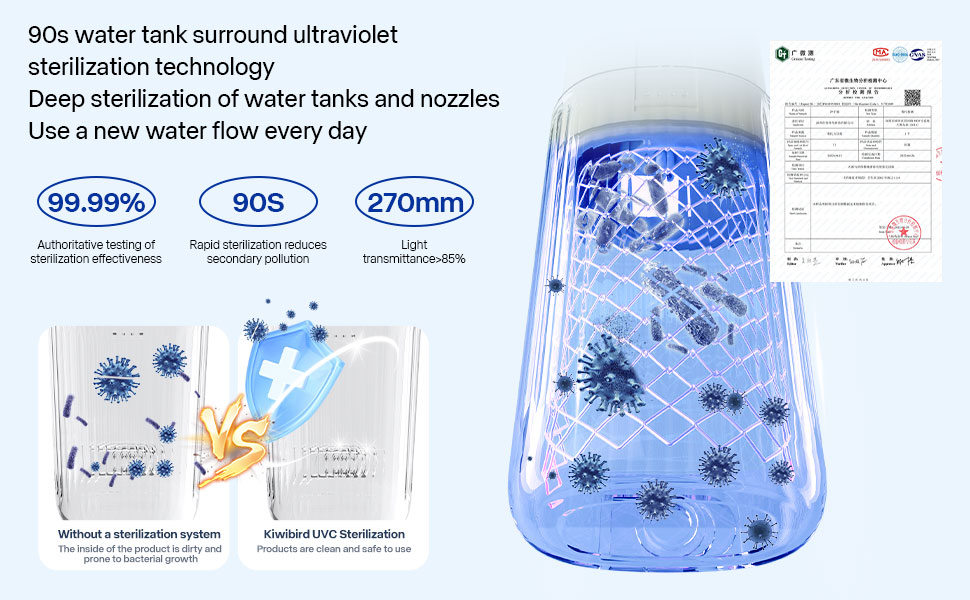
In-depth studies reveal how UV accelerates enamel fatigue:
Thus, even intermittent UV exposure—if unregulated—can compound daily mechanical wear.
To leverage UV’s sterilizing power without compromising enamel, manufacturers should implement:
By embedding these controls, devices can maintain hygienic performance while preserving tooth integrity.
Finally, combining design with user guidance and R&D will ensure long-term safety:
Continual innovation—supported by data and compliance—will keep UV-equipped oral-care devices both effective and gentle on enamel.
Conclusion
While UV sterilization adds a powerful antimicrobial dimension, unchecked UV light risks can heighten dentin exposure risk by degrading enamel. Through wavelength tuning, exposure controls, protective coatings, and smart monitoring, B2B partners can deliver next-generation oral-care devices that clean deeply, kill germs, and safeguard tooth health. For collaboration on UV-safe designs, please reach out to our engineering team!

Electric Toothbrush OEM Must-Know Question: How Much Money Can the Existing Mold Library Save?
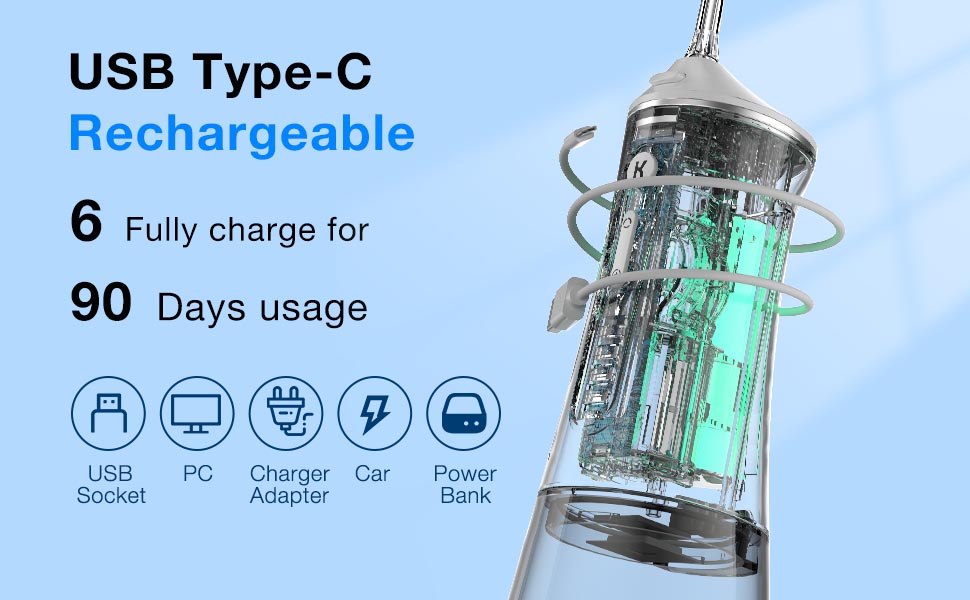
Confused About the Multiple Flossing Options of the Water Flosser? Here’s How to Choose the Right One
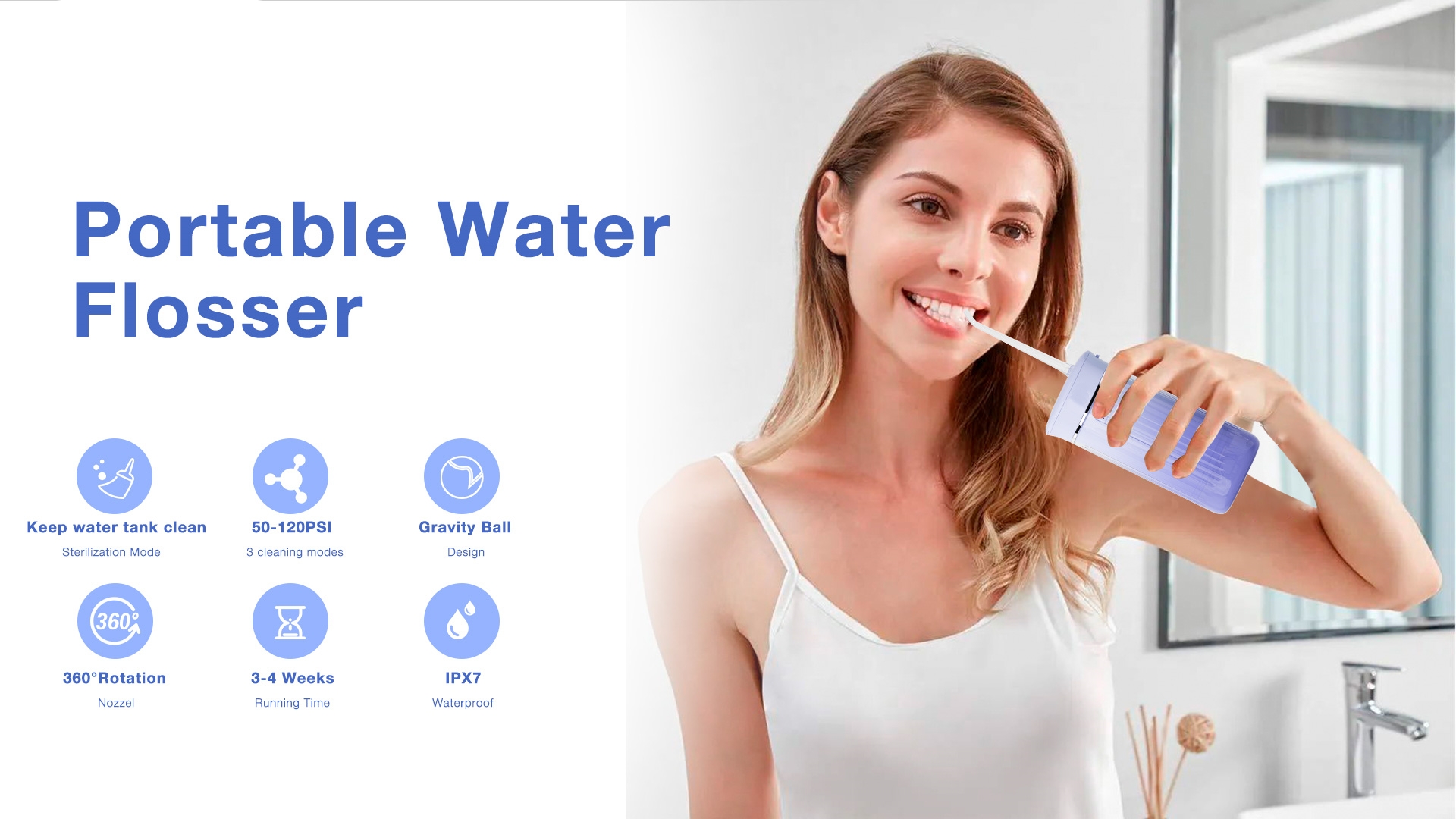
Why Does the Oral Irrigator Make Abnormal Noise After Being Used for a Period of Time?
Which Electric Toothbrush Works Best in Hard Water Areas in Arizona and Colorado?
.jpg)
Does Your Brush Fight Plaque Smartly?
Hydrogen Peroxide Concentration & Motor Durability: Linked?
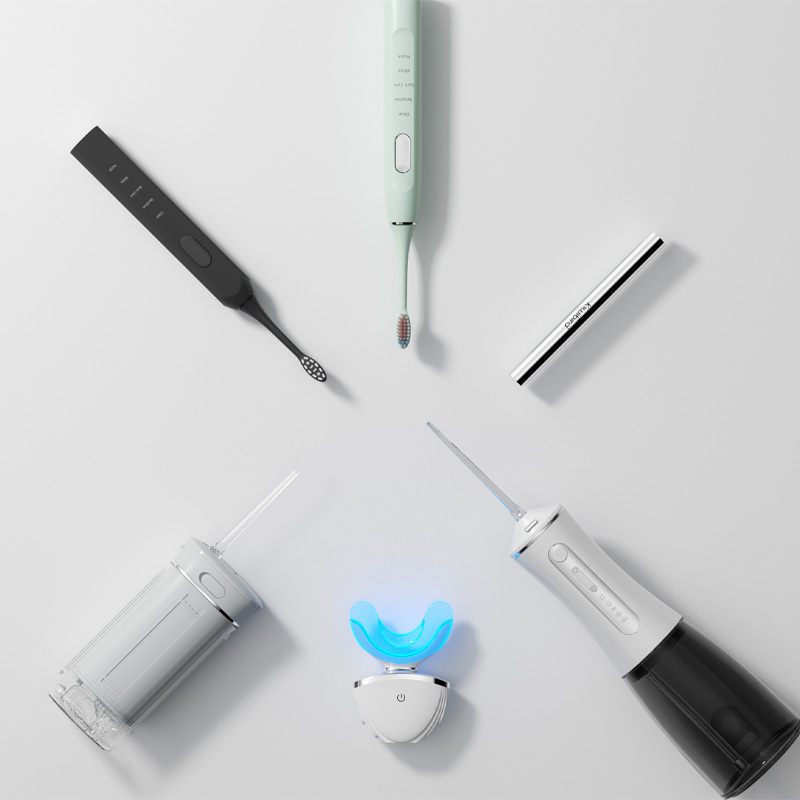
Why the Colorado outdoor toothbrush is the ultimate Colorado adventure toothbrush
Colorado Electric Toothbrush for Outdoor Enthusiasts
Over-Bleaching Effects from Whitening Effectiveness Claims?
Does Toothbrush Battery Life Impact Gum Recession Risk?
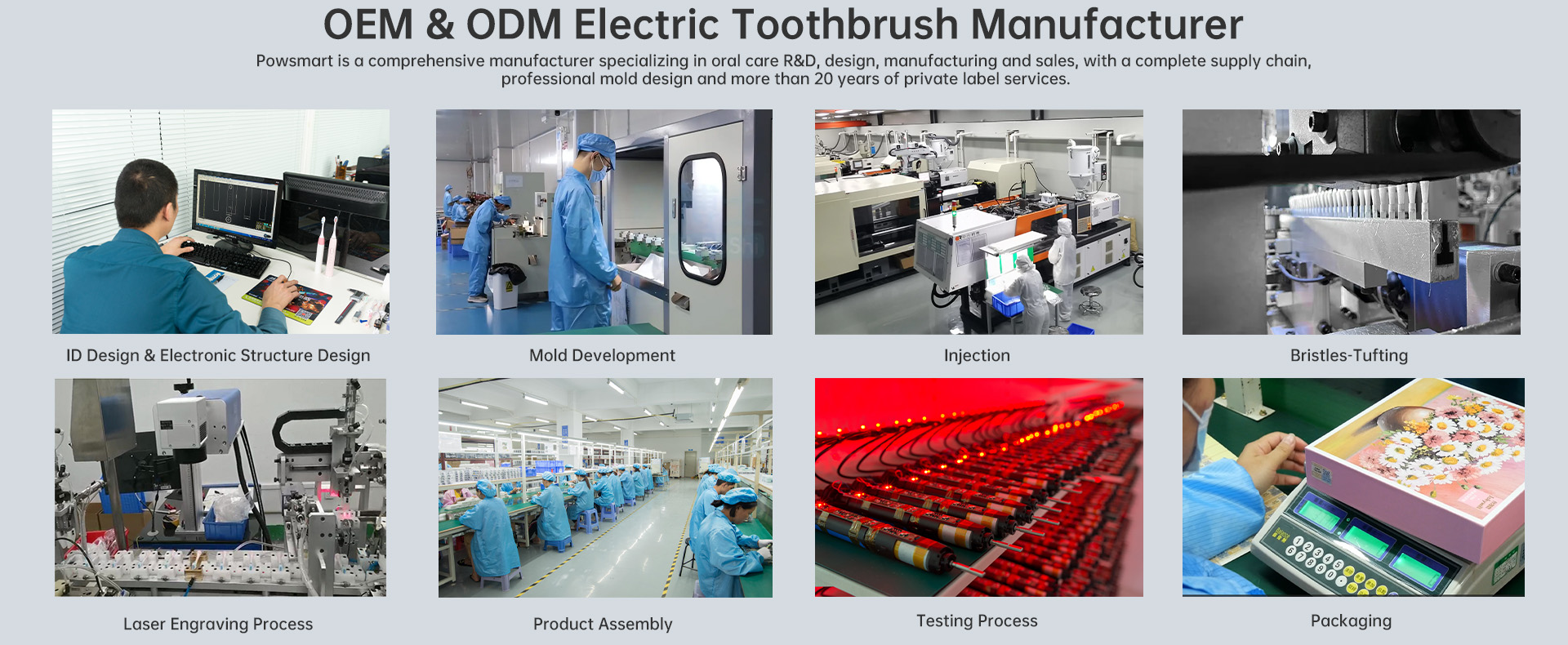
How to Control the Life of Key Components of Water Flosser and Reduce the After-Sales Rate?
.jpg)
A Complete Guide to OEM Customization of Electric Toothbrushes: From LOGO Printing to Core Function Development
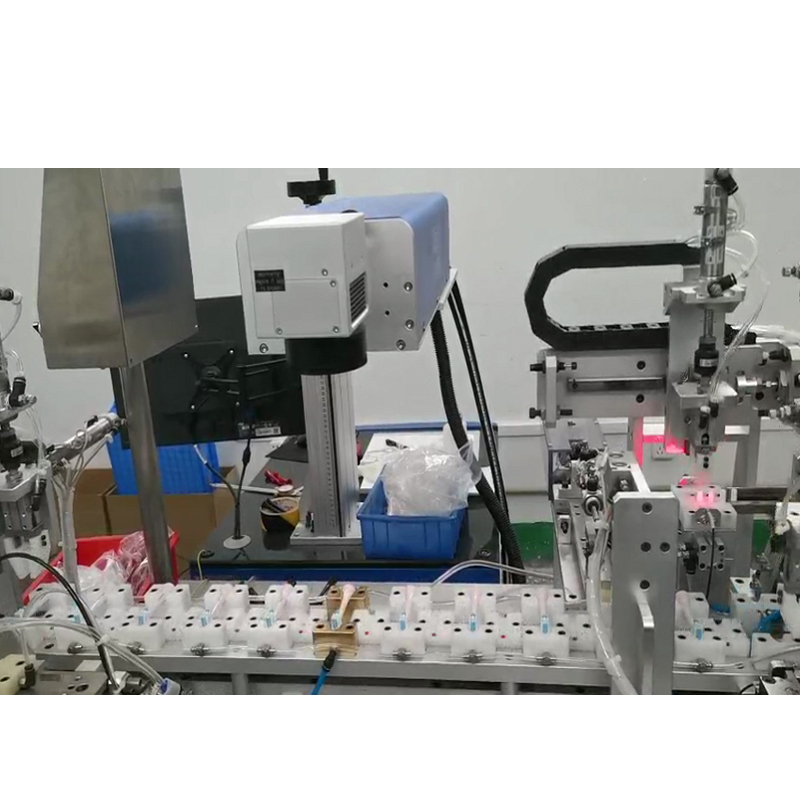
Electric Toothbrush Production Process Diagram: Complete Process from Injection Molding to Assembly and Key Points of Quality Inspection
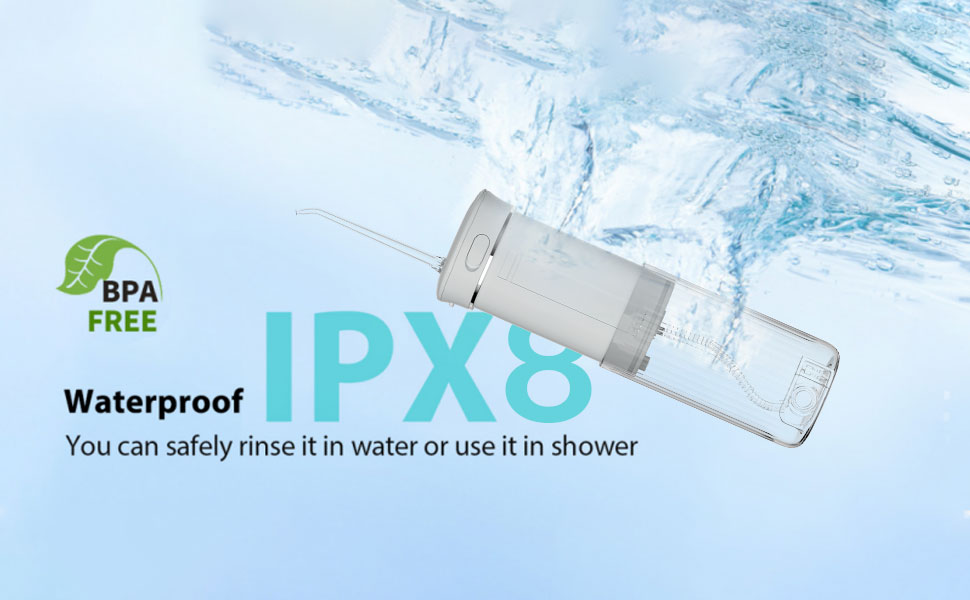
Improvement Record of Waterproof Defect of Water Flossers and the Latest Technical Solutions
Pregnancy Contraindications & Noise Level Concerns: Safe?
Can Brush Head Rotation Cause Enamel Erosion?


.jpg)
.jpg)
.jpg)
.jpg)
.jpg)