
In modern electronic devices, even minor issues can lead to significant performance disruptions. Recently, many manufacturers have raised concerns about recurring Button Malfunctions and potential Circuit Shorts occurring within their products. Such issues not only cause erratic behavior in user interfaces but can also lead to serious internal failures. In this blog, we will explore the possible connection between button failures and circuit shorts, analyze their underlying causes, and suggest effective strategies to diagnose and resolve these challenges.
Reliable operation of control buttons is a key factor in ensuring that devices perform as expected. When Button Malfunctions occur, users may experience unresponsiveness, erratic behavior, or complete failure of critical functions. Moreover, these malfunctions can sometimes be symptomatic of deeper issues, such as Circuit Shorts, which occur when unintended electrical connections cause current to bypass the normal path. Both issues can lead to premature system failure, increased maintenance costs, and potential safety hazards. Understanding the extent of these problems is the first step toward developing robust solutions.
Button Malfunctions in electronic devices can manifest as delayed response times, intermittent operation, or total non-functionality. Several factors contribute to these malfunctions:
Circuit Shorts are critical failures where unwanted electrical connections cause current to flow along unintended pathways. The most common causes include:
Button issues and circuit shorts often share common underlying factors. For instance, when a button mechanism begins to fail due to wear or environmental exposure, it can create poor contact conditions that may lead to sporadic electrical arcing. Such arcing can damage the surrounding circuitry, eventually causing a short. Conversely, the presence of a circuit short can cause a sudden surge of current that disrupts the normal function of buttons, leading to malfunctions. Recognizing this interrelationship allows manufacturers to adopt a holistic approach to troubleshooting and maintenance.
To effectively address these issues, it is crucial to employ comprehensive diagnostic methods:
Preventing recurring issues requires both immediate actions and long-term strategies:
Conclusion
The issues of Button Malfunctions and Circuit Shorts are closely intertwined and can significantly disrupt device performance if not addressed promptly. By understanding their root causes, employing robust diagnostic techniques, and implementing proactive maintenance and design improvements, manufacturers can effectively mitigate these challenges. Continuous innovation and stringent quality control remain critical to ensuring reliable device operation and long-term customer satisfaction.
Interested in optimizing your system’s reliability and preventing potential failures? Contact us today to explore customized solutions designed to enhance product performance and durability.
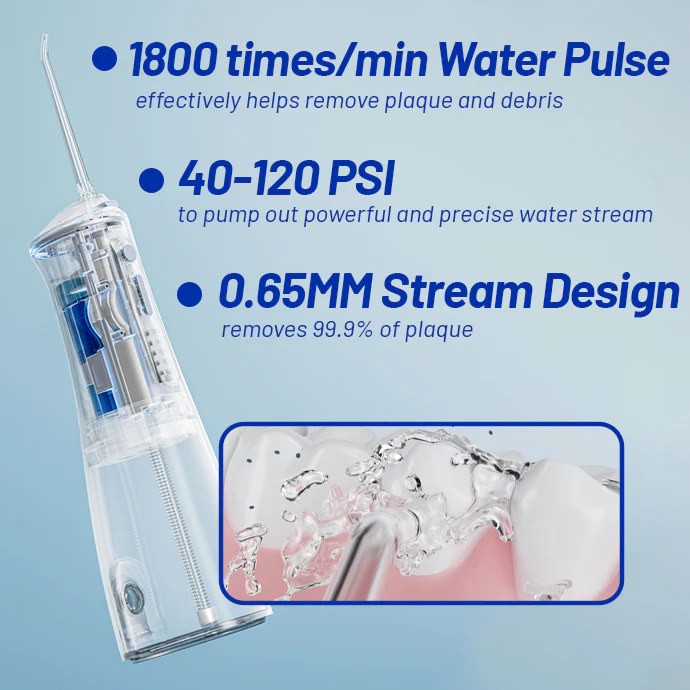
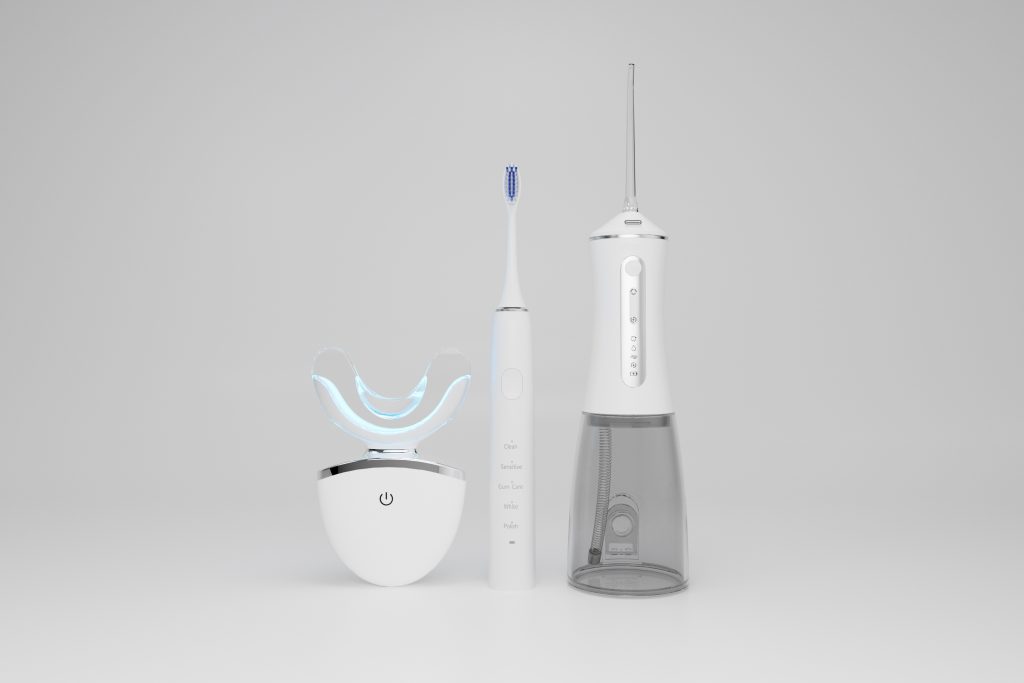

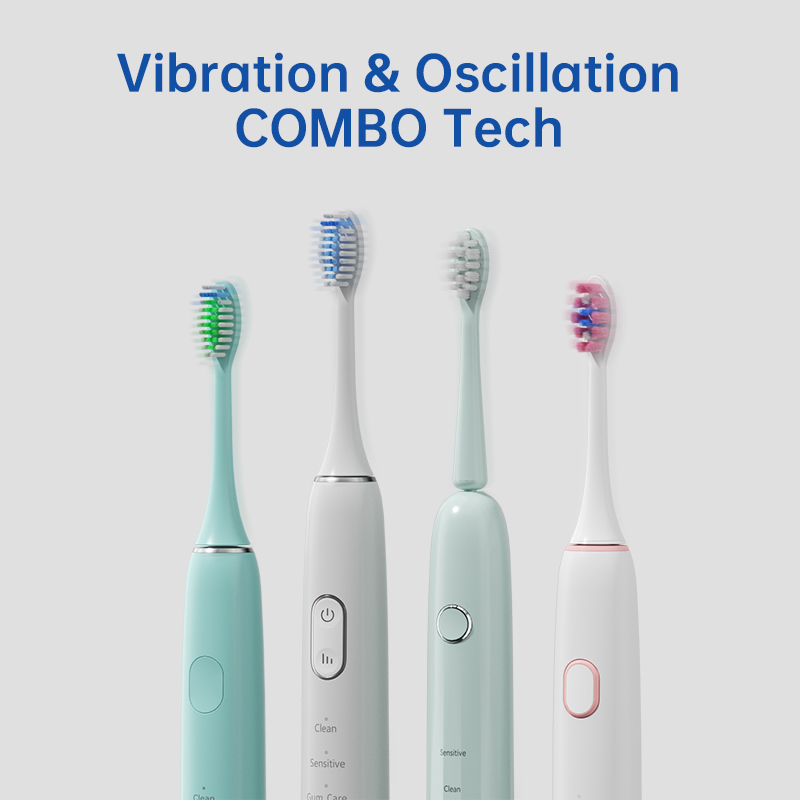
Can an Apical Irrigation Tip Utilize Hydro-kinetic Energy Transfer for Root Canal Cleaning?

Custom Logo Smart Toothbrush OEM for Austin Tech Companies

Best Travel Water Flosser: Balancing Size & Battery Life
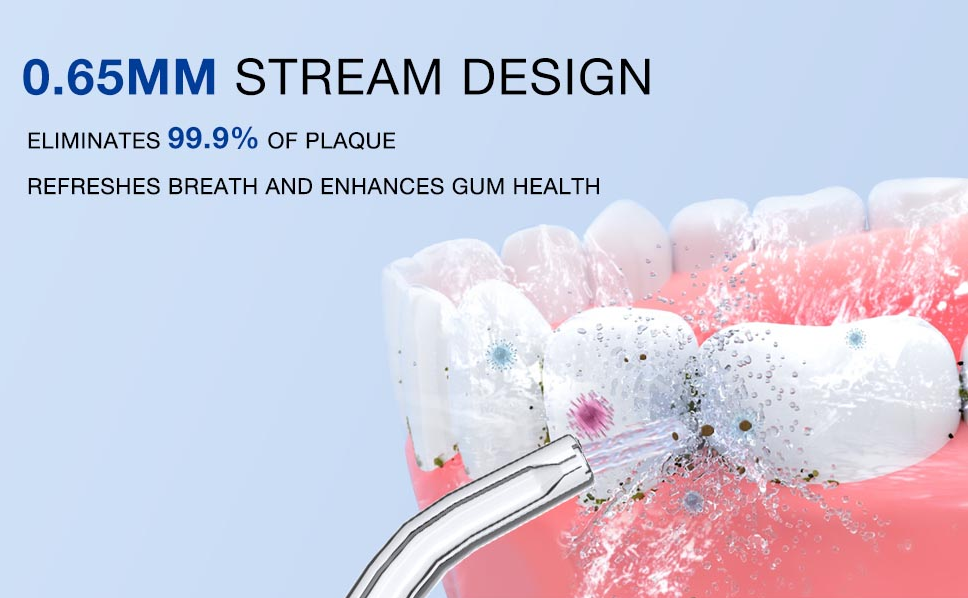
1200 vs 1800 water flosser pulse/Minute: Which Water Flosser Pressure Setting Works Best for Plaque Removal Without Gum Irritation?
.jpg)
Custom Logo Smart Toothbrushes for Austin Tech Companies
Motor Lifespan Matters! Importance of Premium Electric Toothbrush Durability

How to Keep Teeth Clean with Braces: A Complete Care Guide
.jpg)
sonic electric toothbrush Austin

Discover a Great Reason to Switch to an Electric Toothbrush
.jpg)
Noise Amplification and Vibration Issues — Why?
Professional Dental Care Whitening Device Factory in China

What Are the Main Reasons for Charging Problems With an Oral Irrigator?
Smart Toothbrush Austin – High-Tech Oral Care Solutions
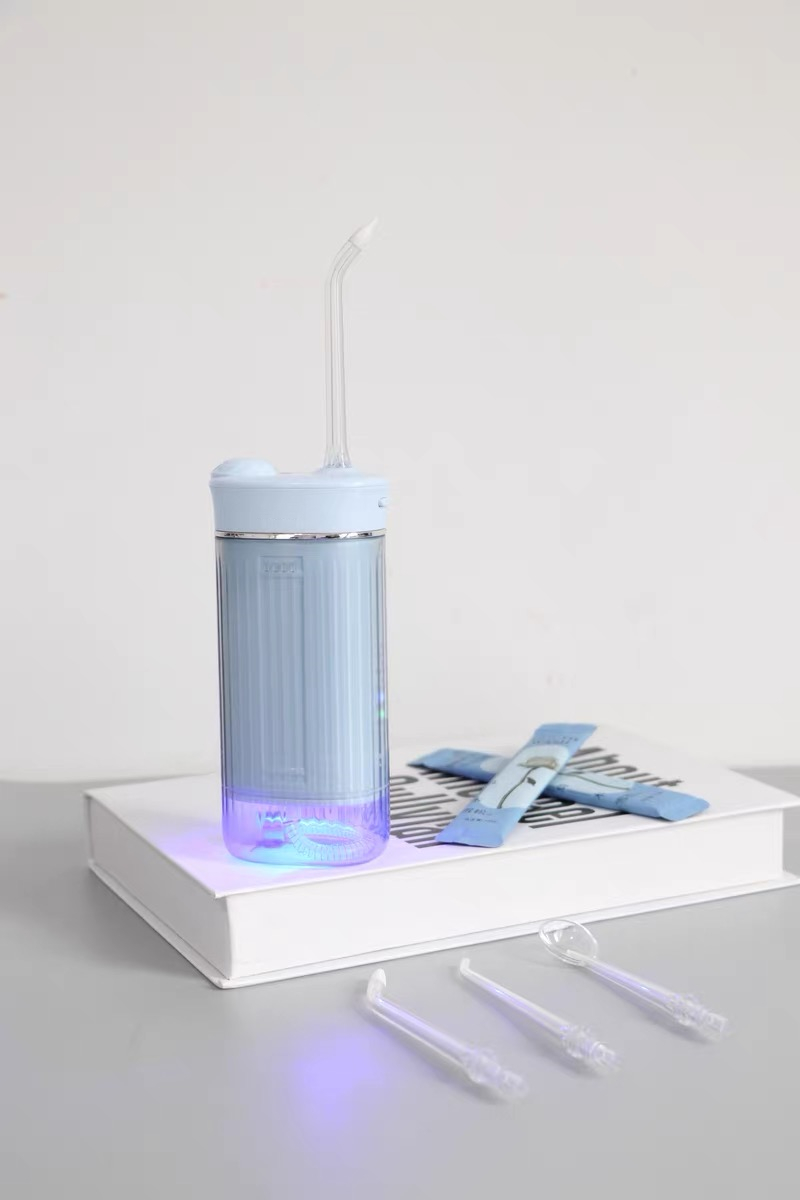
What Causes the Intermittent Water Flow When Using an Oral Irrigator?
USB-C Portable Water Flosser OEM – Custom Solutions for Global Distributors

Why Kids’ Electric Toothbrushes Need Antibacterial Materials


.jpg)
.jpg)
.jpg)
.jpg)
.jpg)






.jpg)
.jpg)



.jpg)