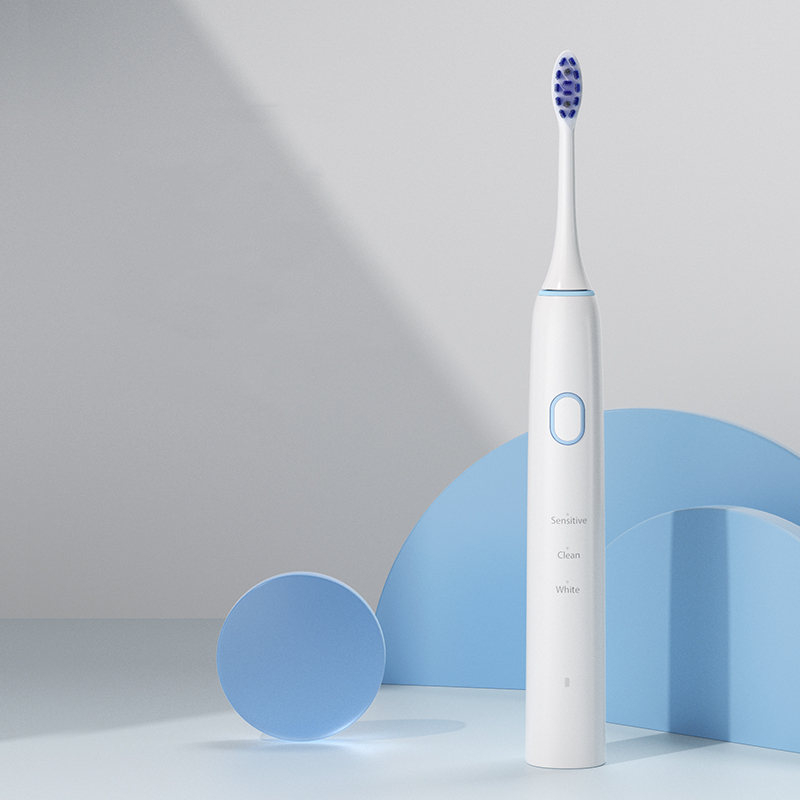
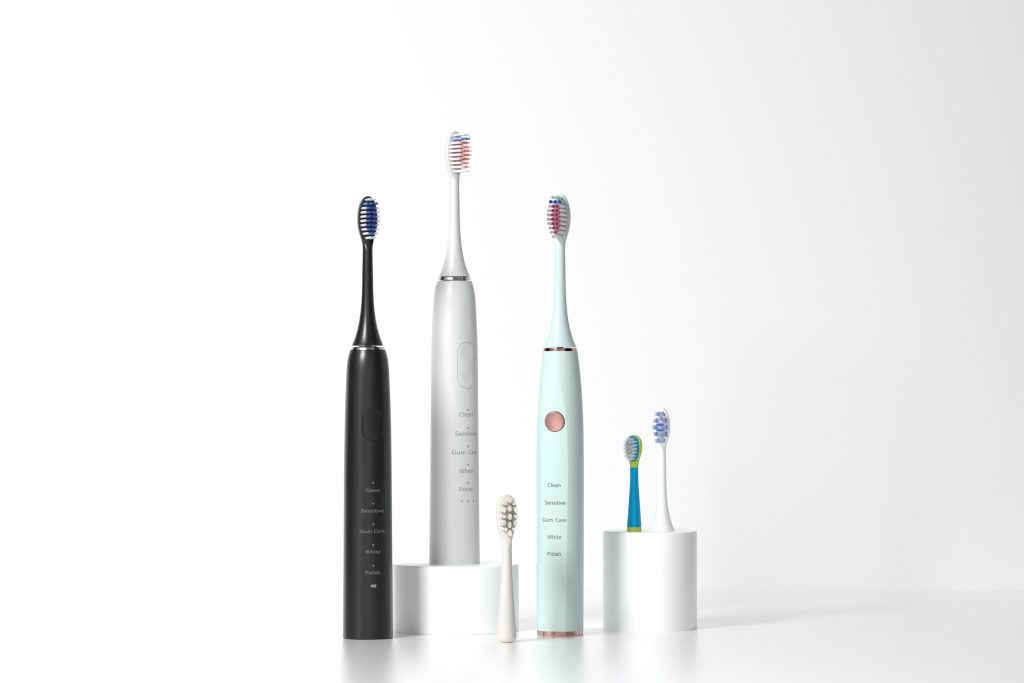
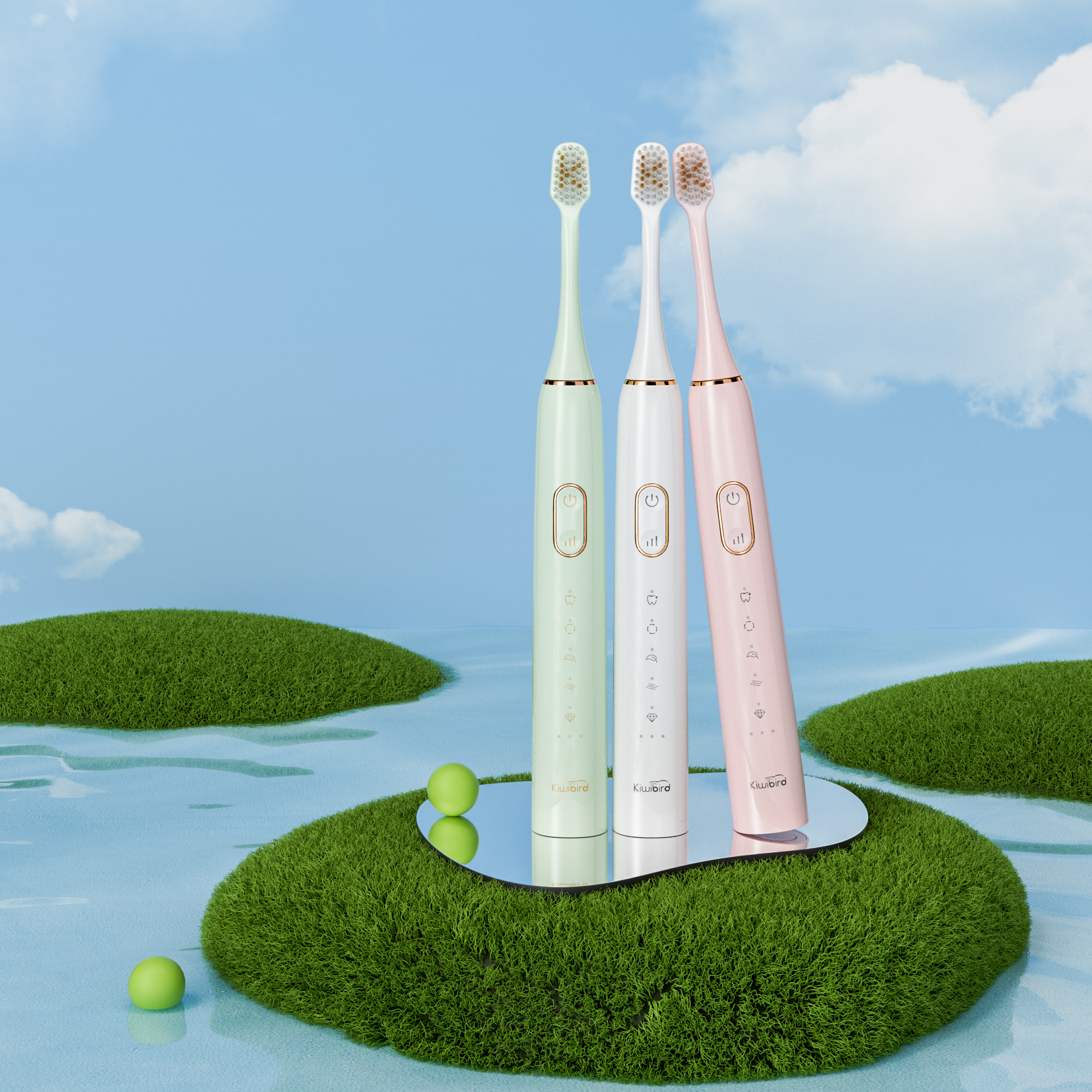
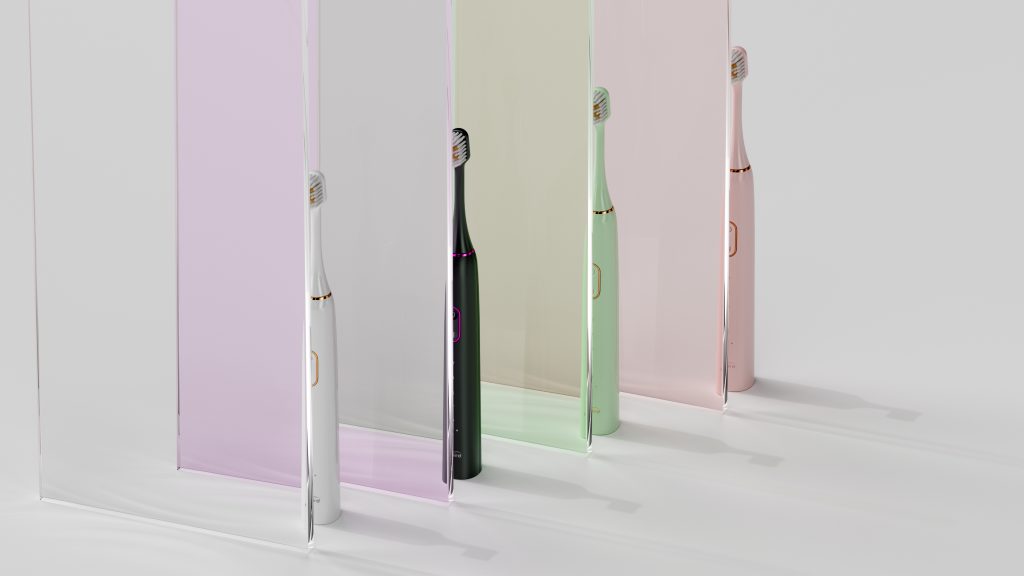
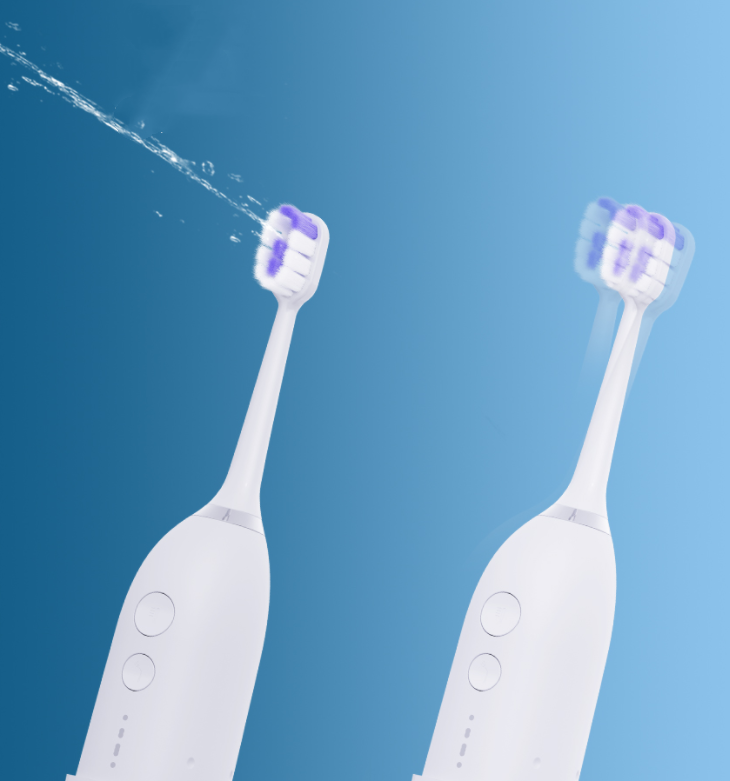
For users with braces, everyday brushing can quickly become a frustrating chore. Traditional brush heads often miss the hard-to-reach spots around brackets and wires. That’s where the Orthodontic V-brush makes a significant difference—especially when integrated into the Powsmart ortho head system. This blog explores how this specialized V-cut brush design boosts performance, optimizes orthodontic hygiene, and brings added value to dental-focused B2B product lines. The Challenge: Standard Brush Heads Aren’t Enough for Braces Orthodontic patients require specialized tools to clean effectively around brackets, archwires, and interproximal areas. Generic brush heads: Struggle to reach the gumline beneath wires Flatten against brackets without penetrating gaps Increase plaque buildup and inflammation risks These limitations drive the demand for brush heads that adapt to fixed orthodontic appliances, ensuring targeted plaque removal without added effort. What Is an Orthodontic V-brush? The Orthodontic V-brush is a brush head with a distinctive V-shaped bristle profile. This design: Allows longer outer bristles to clean the gum line and tooth surface Uses shorter inner bristles to reach around brackets and wires Encourages the correct 45-degree brushing angle naturally This triple-action layout ensures full-surface contact during brushing while avoiding excessive pressure on brackets or soft tissues. How It Pairs with…
In children’s oral care, an excessive noise level can startle little ones, undermine brushing habits, and even pose risks to child safety by affecting delicate hearing. Therefore, as B2B manufacturers, we must understand noise sources, comply with pediatric hearing guidelines, and optimize designs to deliver brushes that are both quiet and safe. Why Noise Control Is Crucial for Kids High noise levels can lead to: Fear and Resistance: Harsh buzzing discourages children from brushing, disrupting healthy routines. Hearing Disturbance: Prolonged exposure to elevated decibels in close proximity may affect a child’s auditory development. Shortened Brushing Time: Kids rush through brushing to escape the noise, compromising cleaning effectiveness. Balancing quiet operation with effective cleaning is key to both user comfort and child safety. Pinpointing Noise Sources: Motor to Housing Major contributors to a noisy kids’ toothbrush include: Drive Motor: Rotor resonance and gear meshing generate mechanical noise. Gears & Bearings: Inexpensive plastic gears or unlubricated bearings amplify squeaks and grinding sounds. Brush Head Vibration: Bristle contact with teeth produces additional sound. Housing Resonance: A thin plastic or metal shell can amplify internal vibrations if not properly damped. Effective noise reduction must address each of these areas.Company web:https://www.powsmart.com/product/electric-toothbrush/ Measuring & Evaluating Decibel…
Teeth whitening products have gained widespread popularity in recent years, offering consumers an easy way to achieve a brighter smile. However, for professional manufacturers, the formulation of a teeth whitening gel goes beyond just effectiveness — it also involves ensuring safety, comfort, and longevity of results. In this blog, we’ll provide a complete analysis of teeth whitening gel ingredients, focusing on the crucial factors of hydrogen peroxide levels, desensitizing agents, and pH balance, all of which directly impact both the efficacy and safety of the product. Hydrogen Peroxide Levels: Ensuring Safe and Effective Whitening Hydrogen peroxide is the most common active ingredient in teeth whitening gels, responsible for breaking down stains and lightening the tooth enamel. However, the hydrogen peroxide levels used in whitening gels must be carefully controlled to ensure both safety and effectiveness. Low Hydrogen Peroxide Concentration (around 3-6%): Typically used in over-the-counter products and at-home kits, these levels are effective for mild to moderate stains and are generally safe for regular use. Moderate Hydrogen Peroxide Concentration (around 7-12%): Commonly used in professional products, these levels provide faster and more noticeable results but require a controlled application to prevent enamel damage or irritation. High Hydrogen Peroxide Concentration (above 12%): These…
In the growing market of dental care and cosmetic enhancement, teeth whitening blue light has become a popular solution for achieving brighter smiles. However, questions surrounding the safety of blue light in teeth whitening devices, particularly wavelengths under 480nm, are often raised by consumers and professionals alike. This blog delves into the safety of blue light wavelengths, explores the science behind their use in teeth whitening, and discusses how teeth whitening OEM manufacturers can ensure safety while maintaining product effectiveness. The Science Behind Blue Light for Teeth Whitening Blue light technology works by activating the whitening gel applied to the teeth, enhancing the chemical reaction that breaks down stains. The key to its effectiveness is the specific blue light wavelength. Wavelengths under 480nm are typically used in teeth whitening because they effectively penetrate the tooth enamel and target the stain molecules without causing harm. Wavelengths under 480nm are considered safe for dental use because they are not strong enough to cause damage to teeth or gums. Understanding the exact wavelength range and its impact on tooth and gum health is crucial for both consumers and manufacturers. The Safety of Blue Light Wavelengths: What the Research Says Numerous studies and clinical trials have demonstrated that…
Mold growth in water flosser tanks is not just a hygiene issue—it can affect the performance and longevity of the device. As an OEM manufacturer for water flossers, we understand how crucial it is to produce high-quality products that remain clean and functional for consumers. Mold in water flosser tanks can lead to unsanitary conditions, unpleasant odors, and potential health risks. In this article, we will share tips for preventing mold buildup in water flosser tanks to ensure a better user experience and maintain product integrity. Understanding Mold in Water Flosser Tanks Mold in water flosser tanks is often caused by stagnant water, moisture accumulation, and the lack of proper cleaning. The tank's interior, especially in water flosser molded plastic components, can harbor mold spores if not regularly cleaned or dried. Understanding this process helps manufacturers and consumers take necessary precautions to maintain a clean and functional device. Key Causes of Mold: Stagnant water left in the tank for extended periods Humidity and moisture trapped inside after use Improper storage in humid environments By addressing these factors early on, we can significantly reduce the chances of mold buildup in water flosser tanks. Effective Cleaning Practices to Prevent Mold Growth Regular cleaning is essential in preventing mold from…
In oral care, overzealous brushing can lead to Pressure Sensitivity and accelerate Enamel Erosion, harming both gums and tooth structure over time. As manufacturers of electric toothbrushes, understanding how brushing force affects oral tissues is critical to designing products that clean effectively without causing damage. The Hidden Hazards of Over‑Brushing First, many users believe that pressing harder means a deeper clean. In reality, excessive force can abrade the gum line, causing irritation and inflammation over repeated use. Moreover, splayed or frayed bristles increase drag, forcing the motor to work harder and generating more heat—factors that only compound oral tissue trauma and reduce overall device efficiency. From Pressure Sensitivity to Enamel Erosion Furthermore, Pressure Sensitivity—the pain or discomfort felt when brushing—often signals the onset of Enamel Erosion: Micro‑abrasions: Heavy pressure creates tiny scratches in the enamel surface, making it more vulnerable to acid attack. Mineral Loss: Mechanical stress accelerates the leaching of calcium and phosphate from enamel. Heightened Sensitivity: As enamel thins, the underlying dentin becomes exposed, intensifying sensitivity to hot, cold, or sweet stimuli. This cascade illustrates why moderating brush pressure is essential for long‑term dental health. Precisely Measuring and Diagnosing Brushing Force To optimize design and user feedback, employ…
Aggressive brushing techniques combined with improper Bristle Hardness can contribute to Gum Recession, even when users think they’re improving oral hygiene. In fact, a toothbrush that’s too stiff or poorly designed may abrade the delicate gum margin over time. Consequently, manufacturers must understand the interplay between brush design, materials, and brushing behavior to safeguard patients’ periodontal health. The Growing Demand for Gentle Yet Effective Cleaning First and foremost, today’s dental professionals and end users expect electric toothbrushes to deliver superior plaque removal without harming soft tissues. As gum health gains prominence in preventative care, the market demands brush heads that balance cleaning power with gentleness. Therefore, selecting the correct Bristle Hardness and head pattern is critical to prevent inadvertent abrasion while still achieving clinically proven results. Anatomy of the Gingival Margin and Damage Mechanisms Moreover, the gingival margin—the tiny band of tissue at the tooth‑gum interface—is particularly susceptible to mechanical trauma. Repeated scratching or compression can disrupt the epithelial attachment, leading to Gum Recession. In addition, exposed dentin increases sensitivity and caries risk. Understanding this anatomy helps designers engineer toothbrushes that minimize lateral forces against the sulcus. How Bristle Hardness Influences Gingival Abrasion Furthermore, studies show that medium‑ or hard‑bristled…
With the rise of smart oral care devices, battery life has become a top priority for users. However, Brush Head Wear and Battery Degradation often combine to shorten run time—many brushes struggle to last the advertised two‑week charge. In this article, we analyze six key factors behind rapid power loss and recommend practical design improvements and maintenance tips to keep your toothbrush running longer. Market Expectations and Power Challenges First, today’s consumers expect a single charge to cover at least two weeks of twice‑daily brushing. At the same time, manufacturers are pressured to deliver smaller, sleeker designs, which limit battery size. Consequently, devices must balance compact form factors with the demands of Brush Head Wear and inevitable Battery Degradation over time—both of which sap run time if left unaddressed. How Brush Head Wear Increases Motor Load Next, worn bristles directly drive up energy consumption. As brush heads age: Increased Friction: Frayed or splayed bristles no longer glide smoothly, forcing the motor to work harder. Higher Current Draw: To maintain vibration amplitude against greater resistance, the drive electronics deliver more current per cycle. Heat Build‑Up: Elevated motor load generates extra heat, which accelerates the chemical reactions that cause Battery Degradation. In…
The global teeth whitening market is experiencing significant growth, driven by an increasing consumer desire for brighter smiles. As whitening gels gain popularity, it’s crucial for global brands to understand the regulatory environments in key markets like the EU and the US. EU whitening gel and US whitening gel regulations are not identical, and navigating these differences can be a complex process for international businesses. In this blog, we’ll compare the regulatory frameworks for whitening gels in these regions and offer guidance on how global brands can stay compliant. EU Whitening Gel Regulations: A Focus on Safety and Efficacy The European Union has strict guidelines when it comes to cosmetic products, including whitening gels. Under the EU Cosmetics Regulation (EC) No 1223/2009, whitening gels are categorized as cosmetic products, and their safety and efficacy must be rigorously evaluated before they can be marketed. Key Points of EU Regulations: Hydrogen Peroxide Limit: In the EU, the concentration of hydrogen peroxide (the active ingredient in many whitening gels) is not able to exceed 6% for consumer use. Products with a higher concentration require professional application only. Product Safety: Whitening gel formulations must undergo safety assessments conducted by a qualified safety assessor. The products must…
With an increasing demand for brighter smiles, selecting the right LED whitening device is crucial for delivering results. This Dentist’s Guide will help you navigate the options available in the market, highlighting what to look for in an LED whitening device and how to select the best one for your clinic's needs. Understanding Different Types of Stains and Whitening Needs Teeth can become stained due to various factors such as food, drinks, smoking, or even aging. Stains can be classified into three main types: Extrinsic Stains: These stains are on the surface of the teeth and are typically caused by food and beverages. Intrinsic Stains: These stains occur beneath the surface of the enamel and are usually the result of aging, genetics, or medications like tetracycline. Age-related Stains: These stains occur as enamel thins over time, revealing more of the yellowish dentin underneath. Each type of stain may require a different treatment approach. Selecting the right LED whitening device can make all the difference in effectively addressing these stains and achieving optimal results. Key Features to Look for in an LED Whitening Device When choosing an LED whitening device, several key features should be considered to ensure both effective and safe treatments: Light…
As the demand for portable oral care products continues to grow, the travel water flosser has become an essential item for consumers who want to maintain their oral hygiene routine while on the go. With the increasing popularity of travel-sized devices, it’s important for manufacturers to consider key design factors, such as power compatibility, storage efficiency, and waterproofing, to meet the needs of modern consumers. In this blog, we will explore how these design elements contribute to the success of the travel water flosser in the market. Water Flosser Power Compatibility: The Key to Reliable Performance When designing a travel water flosser, one of the most critical aspects is ensuring that the device can operate efficiently across different regions. This is where water flosser power compatibility comes into play. Voltage Compatibility: A travel water flosser should be designed to handle a variety of voltages (e.g., 110V in the US, 220V in Europe). This feature allows consumers to use the device in different countries without needing an additional voltage converter. Rechargeable Batteries: Many modern travel water flossers utilize rechargeable lithium-ion batteries that ensure long-lasting performance and quick charging times, making them ideal for on-the-go use. USB Charging: As the world shifts towards USB-based charging,…
In high‑performance spray systems, unstable spray patterns often translate directly into user discomfort, whether due to uneven coating, inconsistent cleaning pressure, or sudden pressure spikes. Moreover, an erratic jet can accelerate component wear and damage end‑use surfaces. In this blog, we explore why jet instability occurs, how it contributes to user discomfort, and offer practical strategies to diagnose and resolve these challenges for a smoother, more reliable operation. Identifying the Causes of Unstable Spray First, it’s essential to understand the root causes behind unstable spray: Pressure Fluctuations: Variations in upstream pressure—often caused by pump pulsation or supply inconsistencies—directly affect jet coherence. Nozzle Wear and Damage: Over time, abrasive fluids erode nozzle orifices, creating irregular flow paths and spray patterns. Flow Turbulence: Sharp bends, sudden diameter changes, or rough pipe interiors can introduce vortices that disrupt laminar flow. Air Entrapment: Entrained air bubbles in the fluid line lead to intermittent blockages and pulsed output. By isolating which of these factors predominates in your system, you can focus optimization efforts more effectively. How Unstable Spray Leads to User Discomfort Furthermore, user discomfort often stems from uneven jet behavior: Inconsistent Coverage: Operators must compensate with extra passes, increasing fatigue and reducing throughput. Abrupt…
In many advanced fluid‑power systems, battery swelling and sudden pressure loss often appear together. As a battery expands, it can press against nearby hoses, valves, or pumps—reducing flow and dropping system pressure. Conversely, unexpected pressure changes can stress the battery enclosure, exacerbating swelling. In this article, we’ll explore their link in six sections, show you how to diagnose the root causes, and share practical fixes and preventative measures to keep your equipment running smoothly. Background & Challenges: Linking Battery Swelling and Pressure Loss Battery swelling occurs when internal gas buildup expands the cell volume, while pressure loss happens as hydraulic or pneumatic systems fail to maintain target pressure. When both arise in the same machine, they create a feedback loop: the swollen battery may obstruct fluid lines, causing pressure to drop; at the same time, unstable pressure conditions can distort the battery housing, accelerating swelling. Recognizing how these two issues interact is essential for an effective diagnosis and repair plan. Common Causes of Battery Swelling Several factors can lead to battery swelling: Over‑discharge and Fast Charging: Deep cycling and rapid recharging generate gas that the battery cannot recombine internally. Excessive Heat: Operating or storing the device at high temperatures speeds…
In many industrial systems, Dirty Ports and Seal Deterioration often occur together, compromising both performance and safety. If left unaddressed, port contamination can restrict flow and increase pressure, while seal deterioration leads to leaks, downtime, and safety hazards. This article explores the root causes, diagnosis, cleaning and repair procedures, plus preventive and improvement strategies in six parts. The Dangers of Port Contamination and Seal Deterioration Dirty ports block fluid or gas passages, causing reduced flow rates, pressure spikes, and system instability. Meanwhile, worn seals lose elasticity and surface integrity, leading to leaks and pressure drops. These two problems feed on each other: clogged ports raise back‑pressure and accelerate seal fatigue; failing seals allow contaminants into the system, making ports dirtier. Recognizing the combined risks is vital to restoring reliable operation. Causes and Diagnosis of Port Contamination Port contamination typically stems from: Ingress of Particulates: Dust, fibers, and debris drawn in with air or fluids. Fluid Aging and Scaling: Sediment and mineral deposits build up over time in lubricants, water, or chemicals. Poor Maintenance: Infrequent filter changes or pipeline cleaning allows debris to accumulate unchecked. To diagnose contamination, periodically inspect ports with a borescope or ultrasound probe, and monitor differential pressure…
For anyone new to oral care technology, a water flosser can be an incredibly effective tool in maintaining oral hygiene. However, choosing the correct Water Flosser Pressure Settings is key to maximizing its benefits. As a water flosser manufacturer, we’ll explain how the water flosser tank and pressure settings work. How different pressure levels can affect your oral health, and provide Beginner’s Guide. The Basics of Water Flosser Pressure Settings When it comes to water flossers, the pressure settings refer to the intensity of the water stream used to clean your teeth and gums. Most water flosser devices have adjustable pressure levels, ranging from low to high settings. These settings are usually displayed in numeric values or as soft, normal, and high modes. Low Pressure: Ideal for Beginner’s Guide or those with sensitive gums. It offers a gentle water stream that cleans the surface of teeth and gums without causing discomfort. Medium Pressure: Suitable for regular users who need a more thorough clean, this pressure level strikes a balance between comfort and effectiveness. High Pressure: Designed for deep cleaning, high pressure is best for those who have heavy plaque buildup or want to clean around dental appliances like braces or implants. Choosing the right Water…
Water flossers are highly effective tools for maintaining oral hygiene, but improper maintenance can lead to one common problem: mold growth in the water flosser tank. Mold not only compromises the performance of the device but can also pose health risks to users. As a water flosser manufacturer, ensuring your products are equipped with effective solutions to prevent mold growth is crucial. In this blog, we will explore two leading technologies used to combat mold growth in water flosser tanks: silver ion technology and UV sterilization. We will analyze how each method works, their benefits, and how manufacturers can integrate these solutions into their designs. The Challenge of Mold in Water Flosser Tanks Water flossers operate with water that sits in the tank for extended periods. This creates a favorable environment for bacterial and mold growth, especially if the tank is not cleaned regularly. The moisture and warmth provide the ideal breeding ground for microorganisms, which can quickly contaminate the water and the internal components of the flosser. For water flosser manufacturers, addressing this issue is essential to maintaining product quality and user satisfaction. Without proper mold prevention, users may experience unpleasant odors, blockages, or even health issues related to mold…
In today’s high-tech products, intermittent LCD Glitches and recurring Sensor Errors can undermine user confidence and lead to costly returns. Whether you’re producing medical devices, industrial controllers, or consumer electronics, understanding how these faults arise and how to remedy them quickly is essential. This post walks you through the root causes, diagnostic techniques, repair steps, and preventive measures to tackle LCD glitches and sensor errors effectively. Why LCD Glitches and Sensor Errors Matter Firstly, LCD displays and onboard sensors often serve as the primary interface between machine and operator. LCD Glitches—such as flickering segments, ghost images, or unresponsive pixels—can obscure critical data readouts. Similarly, Sensor Errors—including spurious readings, calibration drift, or complete signal loss—can disrupt feedback loops, trigger false alarms, or halt automated processes. Together, these issues not only degrade product performance but also raise maintenance costs and damage your brand reputation. Understanding Common Causes of LCD Glitches Moreover, LCD Glitches typically stem from one or more of the following factors: Poor Signal Integrity: Noisy or attenuated video lines create intermittent artifacts on the display. Voltage Instability: Fluctuations in backlight or logic supply voltages cause flicker or blanking. Connector Wear: Mechanical stress on flex cables or board-to-board connectors results in…
Water flossers have become a popular alternative to traditional flossing, especially for individuals with sensitive gums. Designed to deliver a gentle yet effective cleaning experience, water flossers are recommended by dentists worldwide for improving oral hygiene. However, one crucial factor to consider when using a water flosser is the ideal pressure settings to prevent irritation and enhance comfort. In this blog, we’ll explore the dentist recommendations on the best pressure settings for sensitive gums, and how a water flosser manufacturer can design products that cater to these specific needs. Understanding the Importance of Pressure Settings for Sensitive Gums Water flossers use a stream of pulsating water to clean between the teeth and along the gum line. However, ideal pressure settings vary for different users, especially those with sensitive gums. Too high of a pressure can cause discomfort, bleeding, or irritation, while too low of a pressure may not effectively remove plaque or debris. Dentist recommendations suggest that users with sensitive gums should start at the lowest setting and gradually increase pressure as needed to find a comfortable level. This helps ensure effective cleaning without damaging delicate gum tissue. Dentist Recommendations on Pressure Settings for Sensitive Gums Dentists agree that the ideal pressure settings for individuals with…
In high‑precision fluid systems, Jet Instability and unexpected Power Surges can each pose serious threats—and when they occur together, the risks multiply. Jet instability, characterized by chaotic fluid flow, undermines cutting or cleaning accuracy, while power surges can damage control electronics or motor drivers. In this post, we’ll examine why these phenomena are dangerous, how they interact, and what manufacturers can do to safeguard their equipment and operators. Defining Jet Instability and Power Surges First and foremost, it’s essential to understand what we mean by these terms: Jet Instability occurs when a fluid jet (water, air, or abrasive slurry) begins to oscillate, break into droplets, or wander off‑target due to pressure fluctuations, nozzle wear, or upstream turbulence. Power Surges are brief spikes in electrical voltage—often caused by lightning strikes, grid switching, or inductive loads—that exceed the nominal supply level and can overwhelm sensitive electronics. Although they arise from different domains (fluid dynamics vs. electrical systems), both issues degrade performance and can lead to costly downtime if not addressed. Operational Risks of Jet Instability Moreover, jet instability can directly impact process quality: Reduced Precision: Unstable jets spray or cut erratically, producing uneven edges in waterjet cutting or inconsistent coating thickness in…
In many industrial systems, filter degradation and voltage drops often occur together: when filters become clogged or aged, pumps or motors must work harder, which can trigger system voltage dips. In this blog, we examine their connection in six parts and share how to diagnose, resolve, and prevent these issues to boost equipment stability and efficiency. Common Causes and Signs of Filter Degradation First, understand that industrial filters (air, oil, or fluid) degrade over time due to: Particle buildup: Dust, oil, or sediment accumulates on the filter surface. Chemical corrosion: Aggressive fluids attack and weaken filter media. Material aging: Continuous exposure to heat and pressure reduces filter porosity and resilience.Typical symptoms include decreased flow rate, rising system pressure, and more frequent filter changes. Mechanisms Behind Voltage Drops Next, learn why systems experience voltage drops: Increased load demand: Blocked filters raise backpressure, forcing motors to draw higher currents and causing voltage to sag. Power source fatigue: Batteries or power modules lose capacity under sustained heavy loads, leading to unstable output. Line impedance: Worn cables or loose connections add resistance, further dropping voltage. Company web:https://www.powsmart.com/product/electric-toothbrush/ How They Interact Filter degradation and voltage drops feed into each other: Higher pressure differential: Clogged filters…