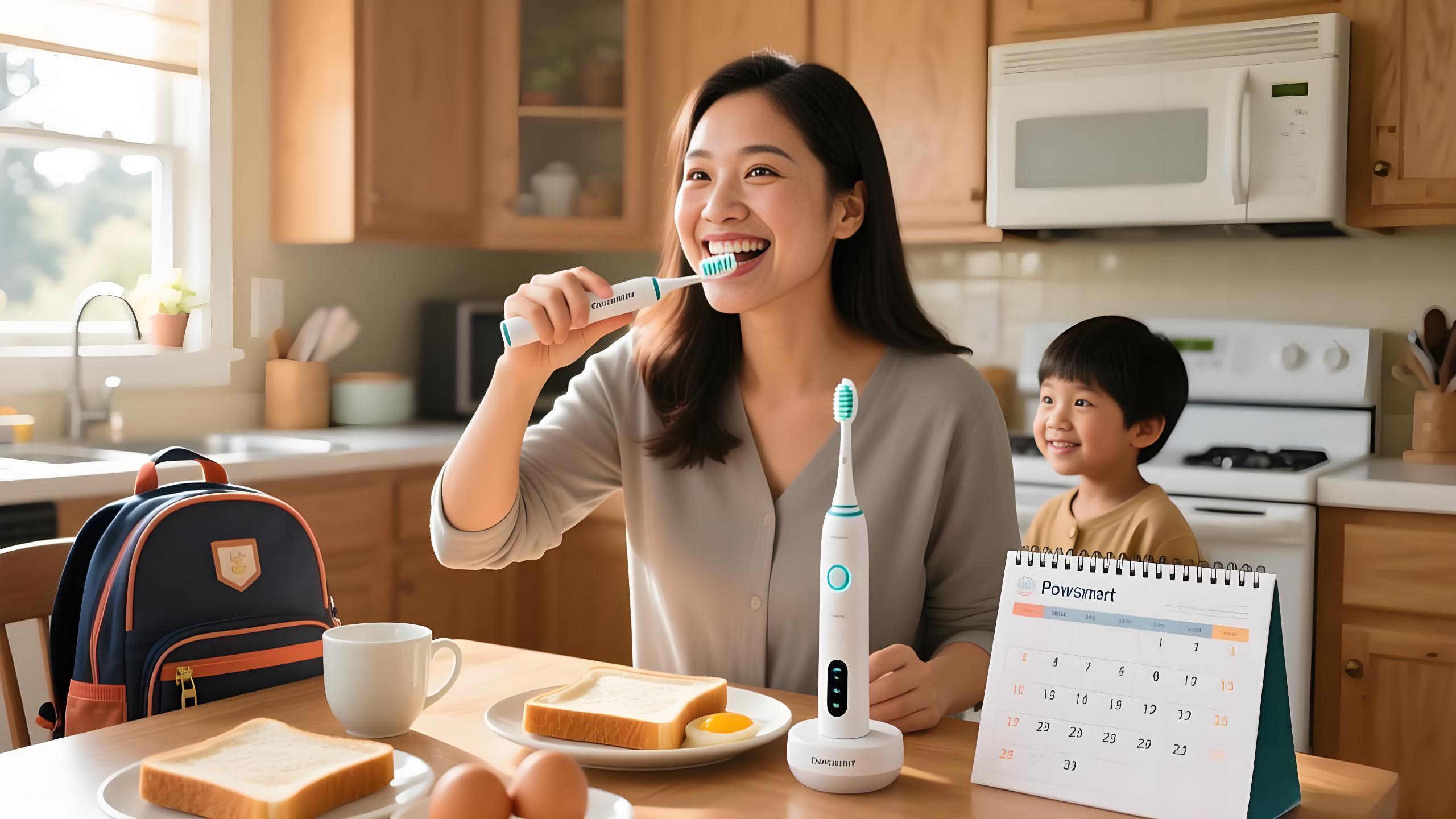
With the rise of smart oral care devices, battery life has become a top priority for users. However, Brush Head Wear and Battery Degradation often combine to shorten run time—many brushes struggle to last the advertised two‑week charge. In this article, we analyze six key factors behind rapid power loss and recommend practical design improvements and maintenance tips to keep your toothbrush running longer.
First, today’s consumers expect a single charge to cover at least two weeks of twice‑daily brushing. At the same time, manufacturers are pressured to deliver smaller, sleeker designs, which limit battery size. Consequently, devices must balance compact form factors with the demands of Brush Head Wear and inevitable Battery Degradation over time—both of which sap run time if left unaddressed.
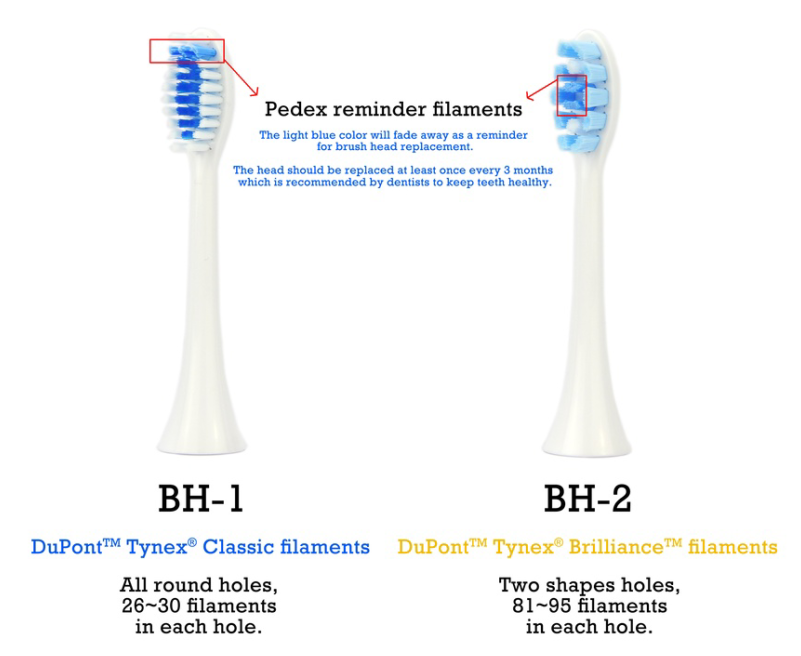
Next, worn bristles directly drive up energy consumption. As brush heads age:
In short, brush head wear and motor inefficiency form a feedback loop that drains power faster.
Moreover, battery life naturally declines due to:
Together, these factors shrink usable capacity and raise the internal resistance that further shortens run times. Company web:https://www.powsmart.com/product/electric-toothbrush/
Importantly, brush head wear and battery decay reinforce each other:
Recognizing this vicious cycle is key to breaking it through targeted improvements.
To tackle rapid power loss, manufacturers should consider:
By combining these upgrades, you can significantly extend run time and slow the onset of degradation.
Finally, prolonging toothbrush life also depends on proper care:
Combined with smart design, these habits help users maintain peak performance throughout the brush’s lifetime.
Conclusion
When Brush Head Wear and Battery Degradation conspire, even the best brush can run out of power too quickly. However, by implementing durable materials, advanced battery management, thermal safeguards, and guiding users in optimal maintenance, manufacturers can deliver devices that consistently meet the two‑week benchmark—and beyond. For deeper insights into brush head materials, battery technologies, or firmware optimizations, please reach out to our Company!
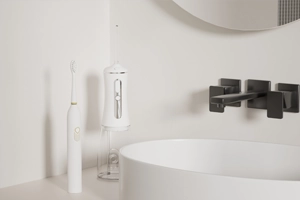
Beginner’s Guide to Water Flosser Pressure Settings
.jpg)
Smart Electric Toothbrush for Tech Professionals Koramangala
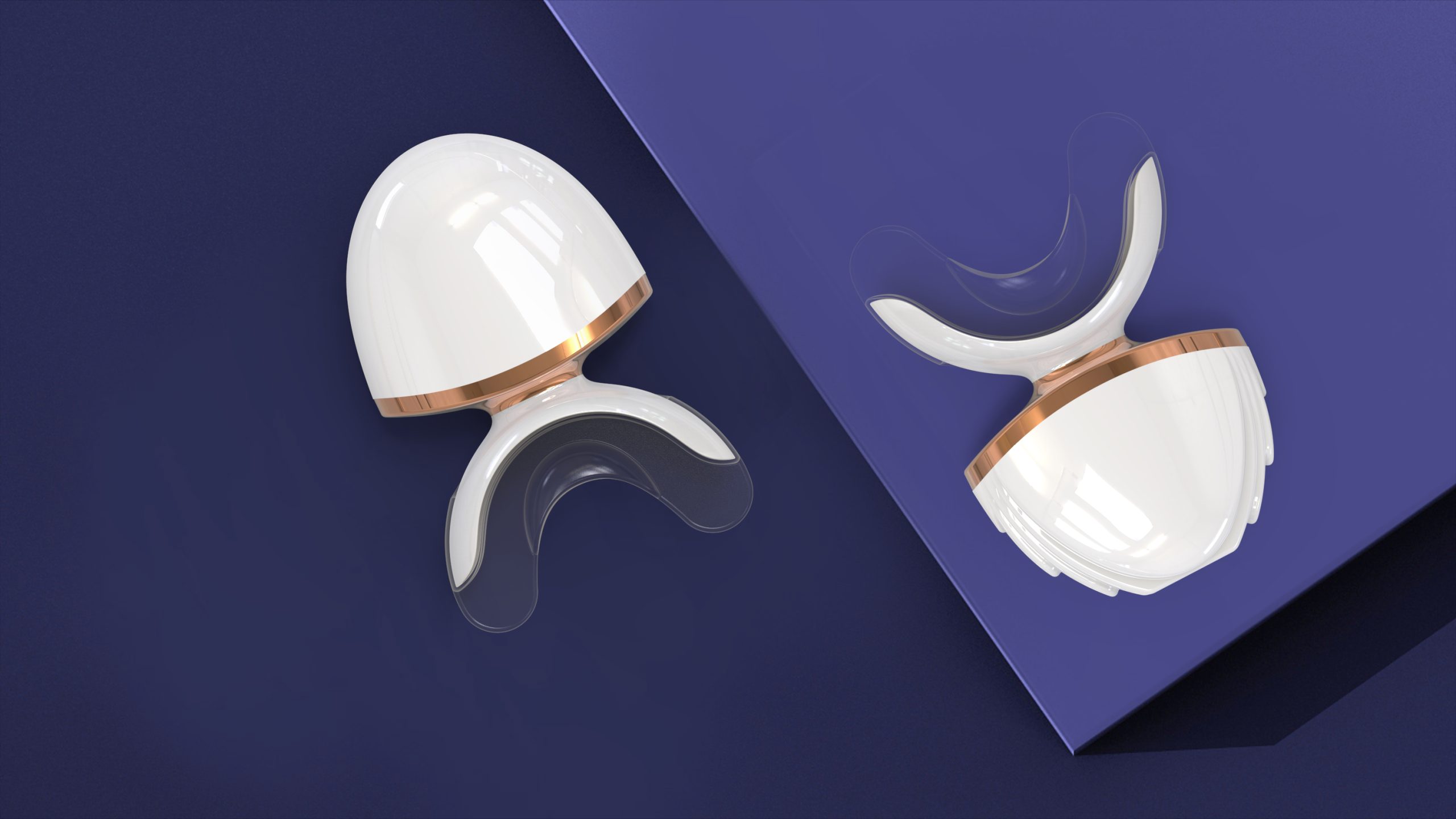
Is Blue Light Under 480nm Safe for Teeth Whitening Devices?
How to Optimize Jet Instability and User Discomfort?
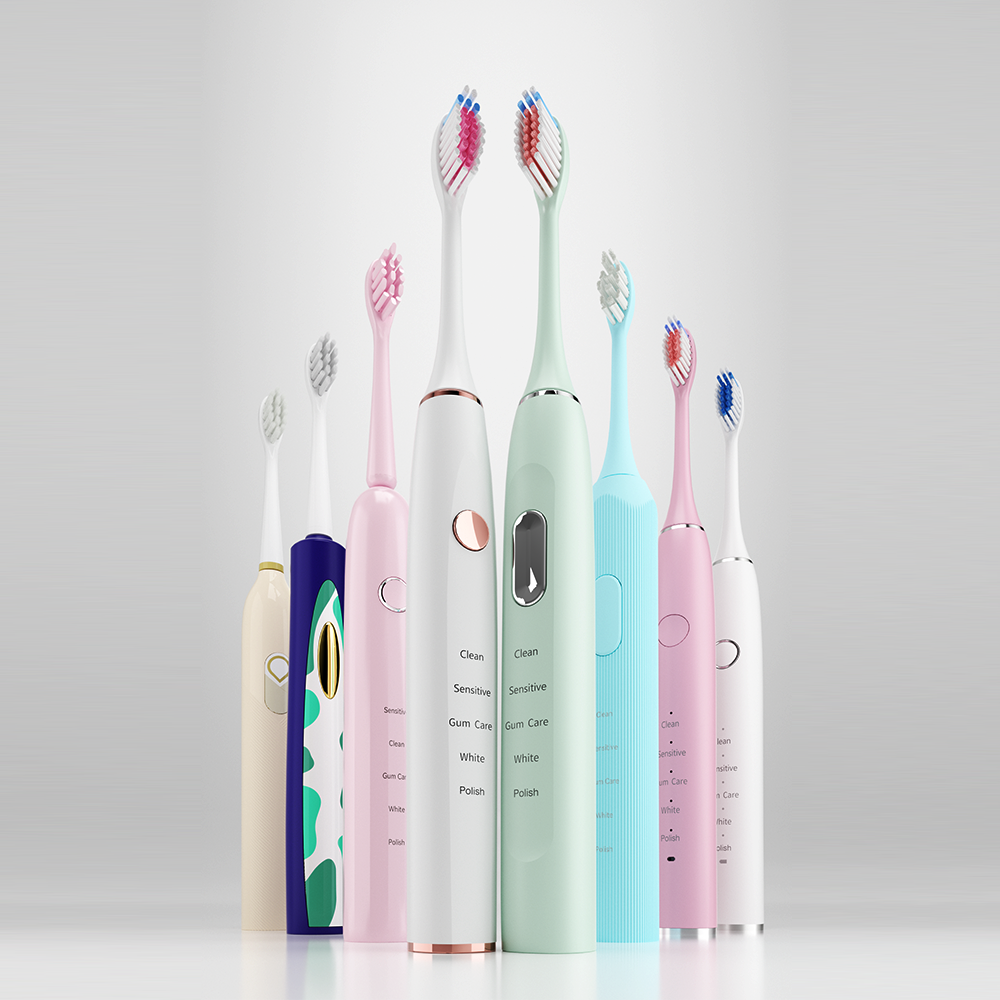
Difference between sonic toothbrush and sweeping electric toothbrush
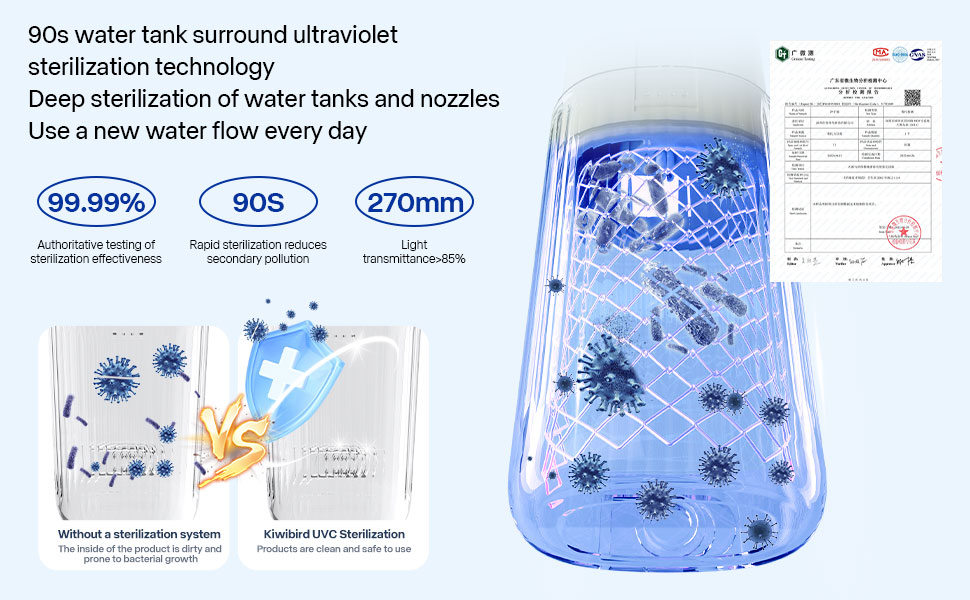
Preventing Mold in Water Flosser Tanks: Silver Ion vs. UV Sterilization

Ways Having Whiter Teeth Can Help Boost Your Confidence
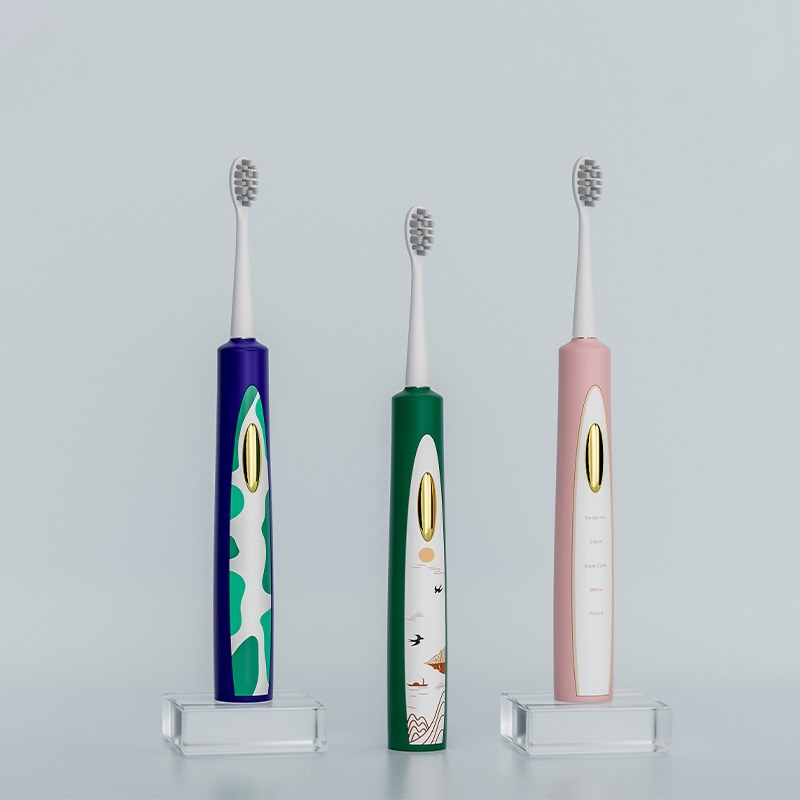
From manual to electric toothbrushes: a revolution in changing toothbrush habits
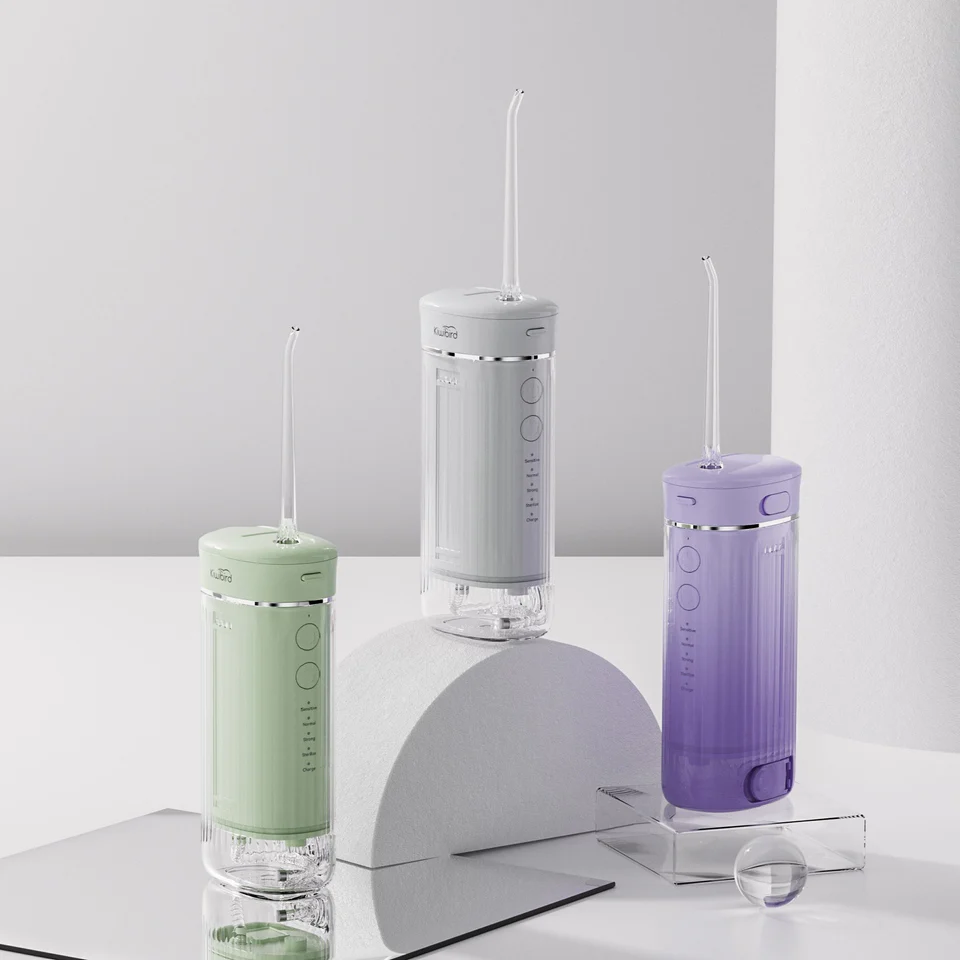
Tips for Preventing Mold in Water Flosser Tanks
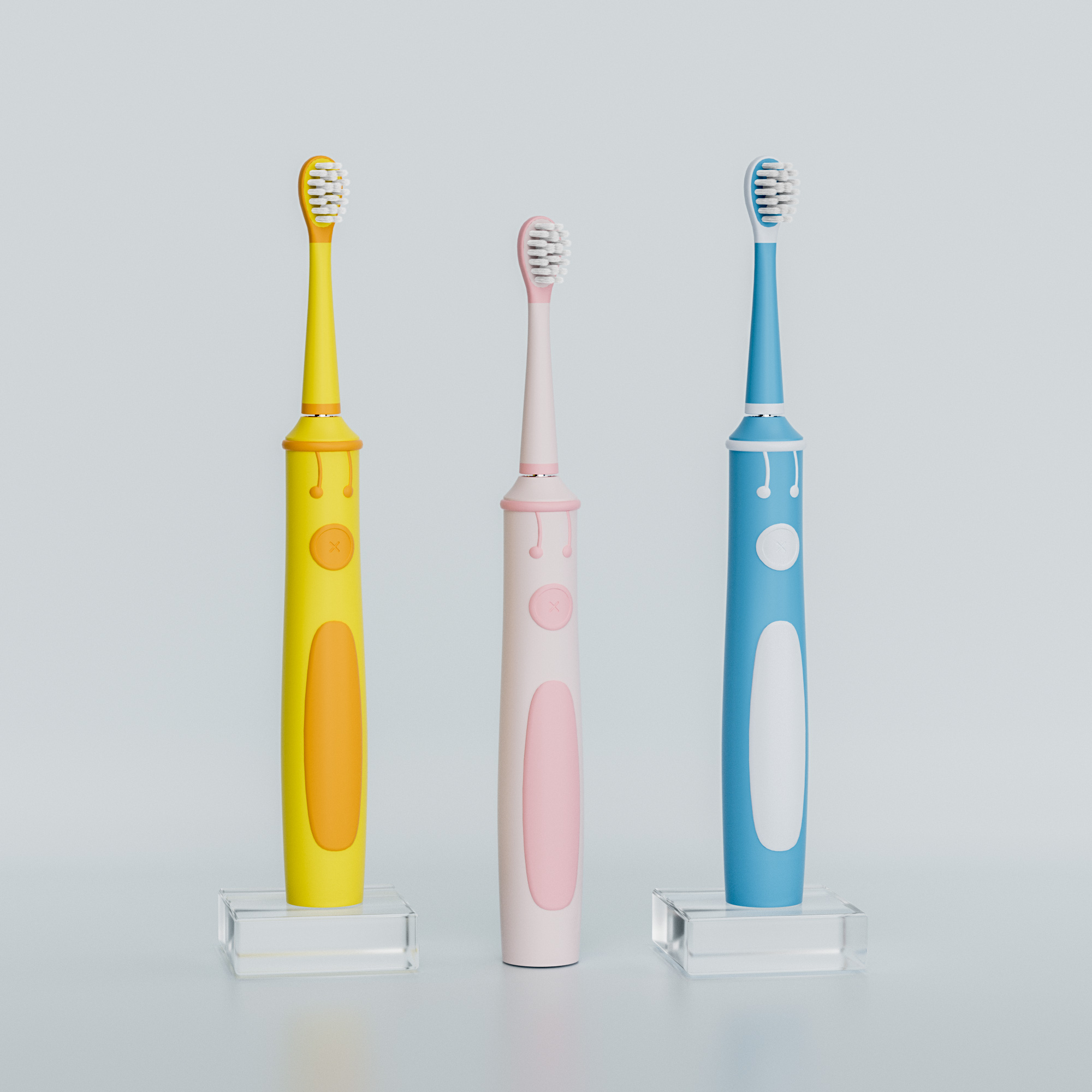
Children’s Oral Care: Developing Good Oral Habits at an Early Age
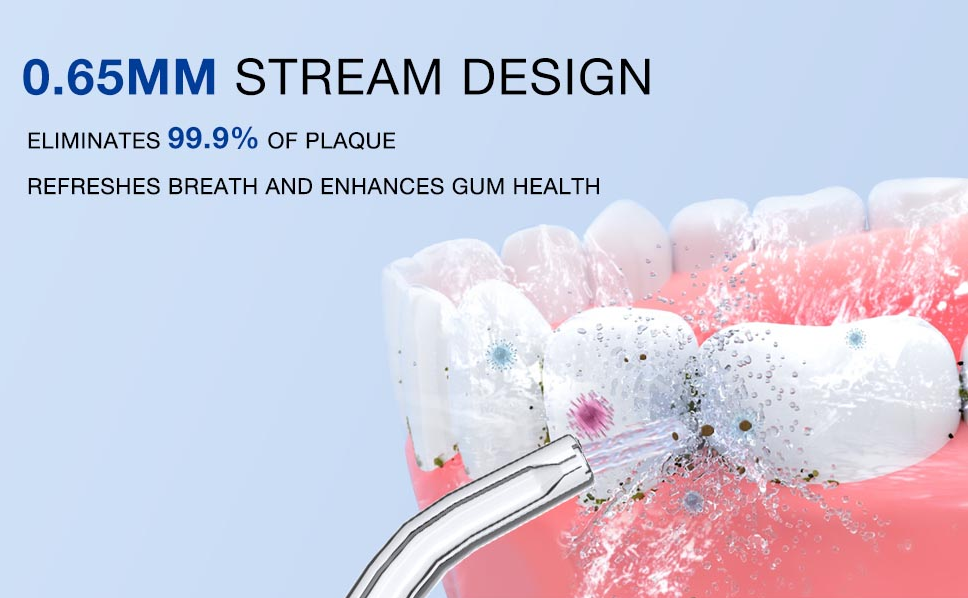
Ideal Pressure Settings for Sensitive Gums: Dentist Recommendations for Water Flosser Users
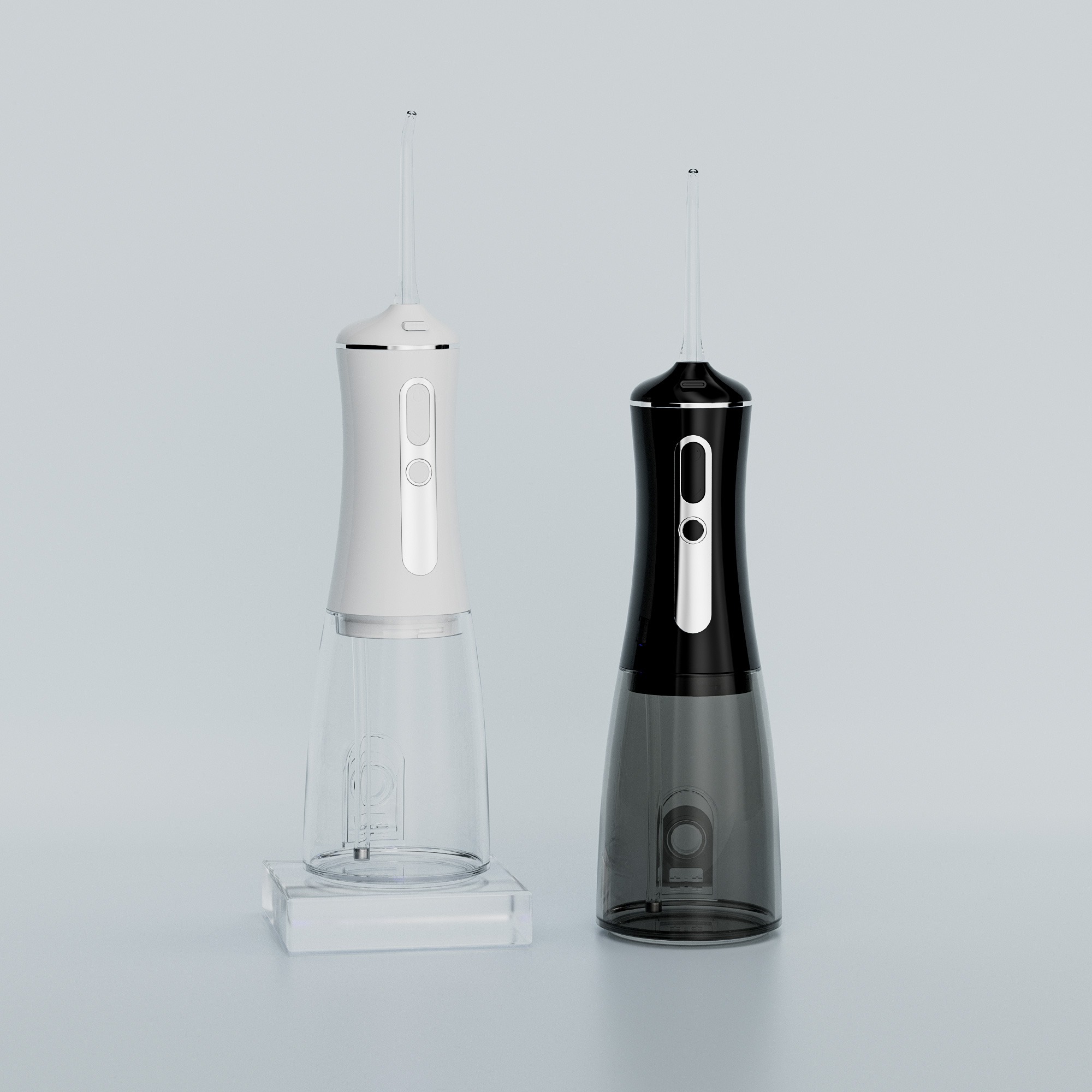
Modern technology in oral care: innovative products and services
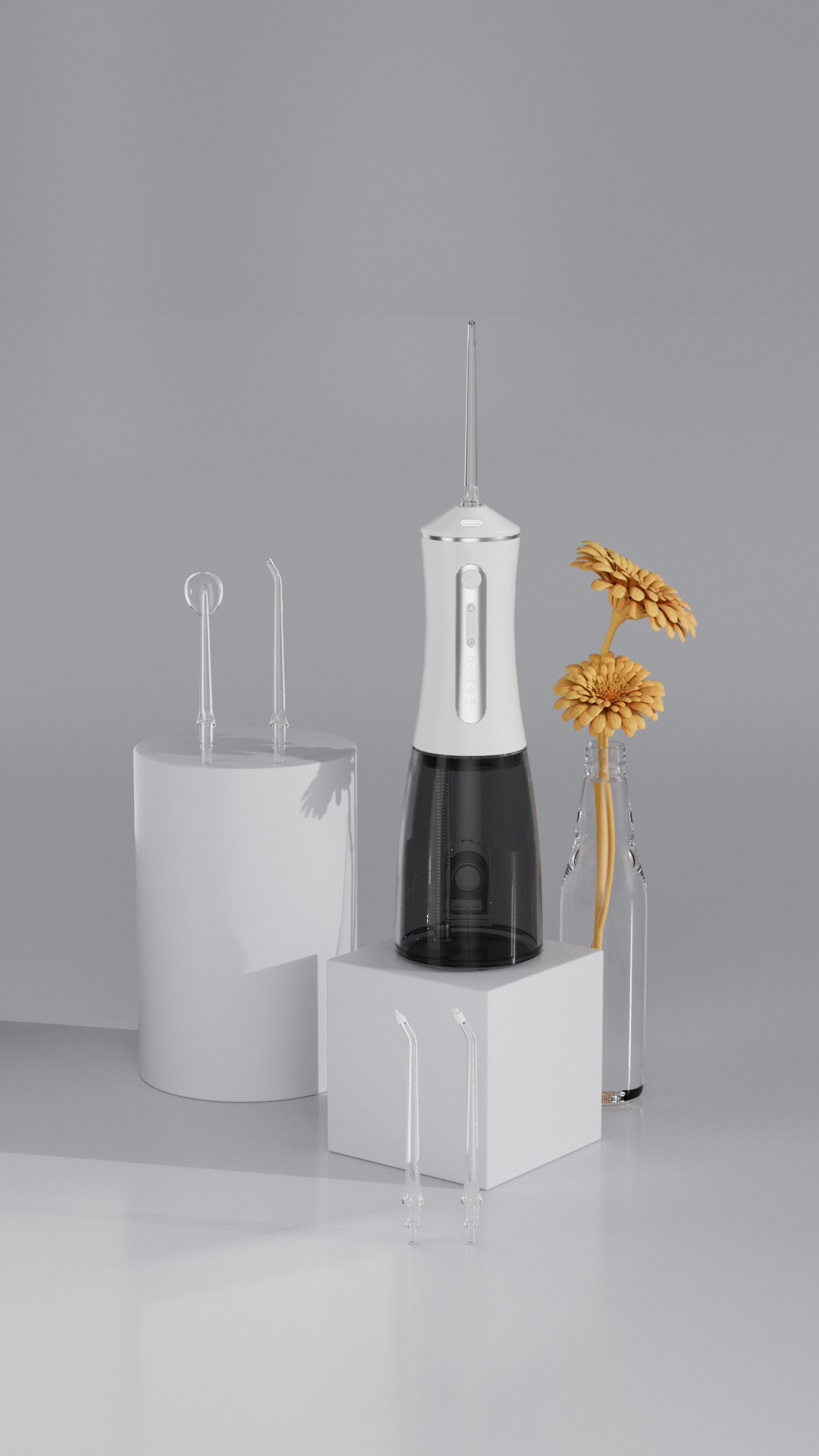
Scientific Oral Care: An All-Inclusive Guide to Preventing Oral Diseases
How Dangerous Are Jet Instability and Power Surges?
Could Your Toothbrush Be Damaging Gums?
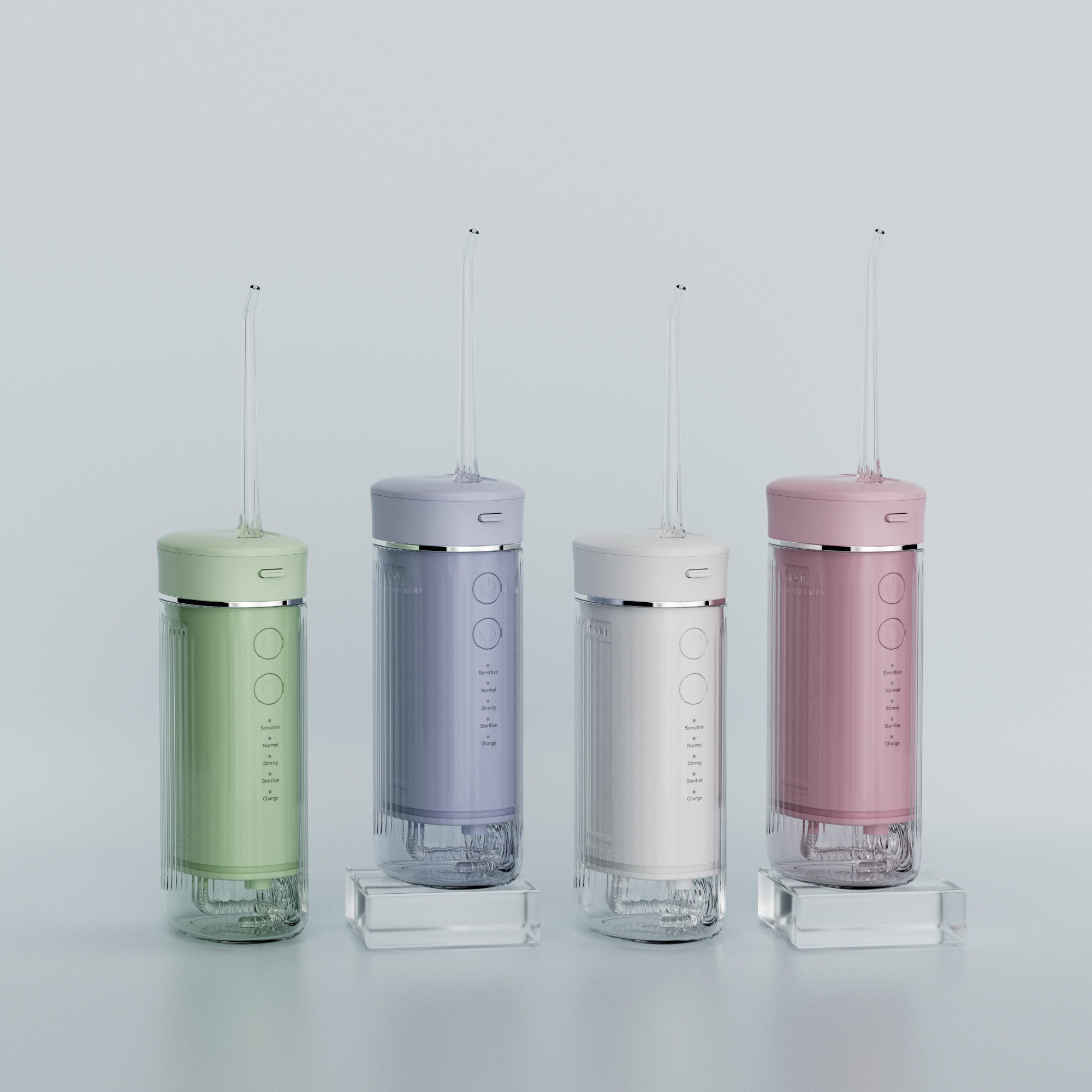
water Flosser Technology Innovation Leads to New Oral Care Trends


.jpg)
.jpg)
.jpg)
.jpg)
.jpg)