In an increasingly connected world, the seamless interaction between apps and devices is critical for end-user satisfaction and operational efficiency. However, many manufacturers are now confronting a dual challenge: App Pairing Failures and Timer Sync Issues. These phenomena not only disrupt user experience but can also hinder product performance. In this article, we delve into the underlying causes, explore the interrelationship between these issues, and propose strategies for mitigating their impact on your product’s reliability.
As consumer expectations evolve, the demand for fully integrated systems grows. Today’s smart devices rely on accurate and reliable connections between mobile applications and hardware components. When an app is paired with a device, it typically synchronizes various functions, including timers that regulate device behavior. However, if App Pairing Failures occur—where apps cannot establish or maintain a connection—the downstream effects can be significant. Among these, Timer Sync Issues are of particular concern, as they are critical for ensuring timely operations, precise scheduling, and overall device coordination in real-world applications.
App Pairing Failures can originate from a multitude of factors. These challenges often include:
By scrutinizing these factors, manufacturers can better understand the root causes behind these failures and focus on robust connectivity solutions.
Timer Sync Issues emerge when the synchronization between the device’s internal clock and the controlling app is disrupted. These problems might manifest in various ways:
These issues, while seemingly isolated, can compound the overall system instability when paired with poor app connectivity.
It is essential to understand that App Pairing Failures and Timer Sync Issues are not merely independent issues; they can be interrelated. When timer synchronization is flawed, it may adversely affect the pairing process in several ways:
Thus, addressing Timer Sync Issues is critical to ensuring a robust and durable pairing process.
To overcome these challenges, manufacturers can adopt several strategic measures:
By combining these approaches, companies can build devices that not only pair reliably but also maintain consistent operations over time.
Looking ahead, continuous innovation is vital. Manufacturers need to:
By staying ahead of technological trends and continuously refining processes, companies can ensure resilient, high-performing products in an increasingly connected market.
Conclusion
The issues of App Pairing Failures and Timer Sync Issues pose significant challenges that can undermine device functionality and customer satisfaction. By understanding the intricate relationship between these problems and implementing comprehensive technological strategies, manufacturers can enhance connectivity and synchronization, ensuring a seamless user experience. Robust quality management, continuous innovation, and proactive troubleshooting remain the keys to overcoming these obstacles and securing a competitive edge in today’s dynamic market.
Interested in learning more about optimizing your device connectivity and synchronization? Contact us to explore tailored solutions that will future-proof your technology and drive customer satisfaction.
.jpg)
Enamel-Safe Whitening Methods Guide: Protect Your Teeth While Brightening
Whether the LCD Screen on Water Flosser Is a Useful Feature or Just a Gimmick
LED Whitening Kits Effectiveness Comparison: Which Works Better?
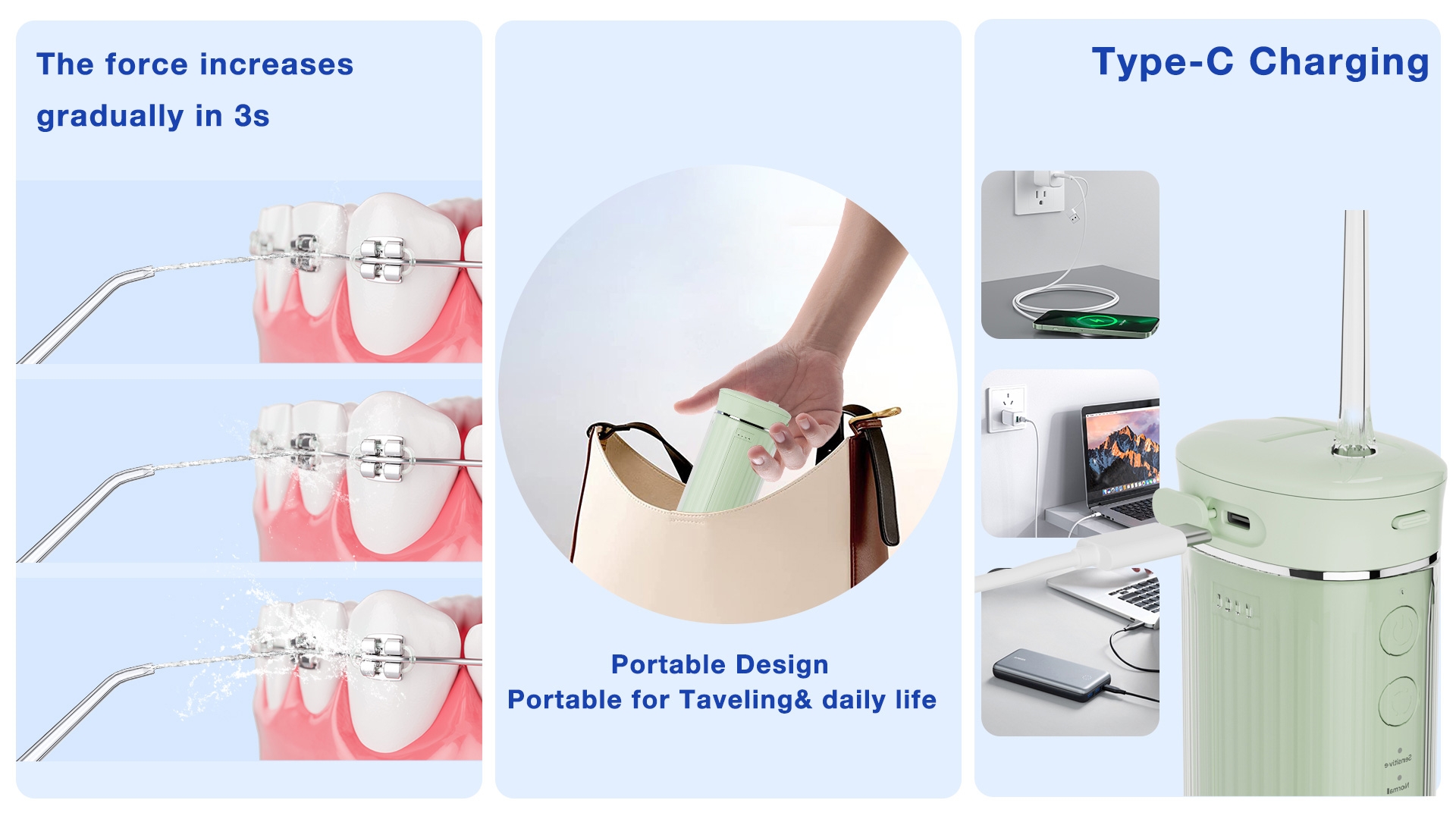
Keep Your Travel dental hygiene Fresh While Traveling: 5 Easy Solutions for On-the-Go Care
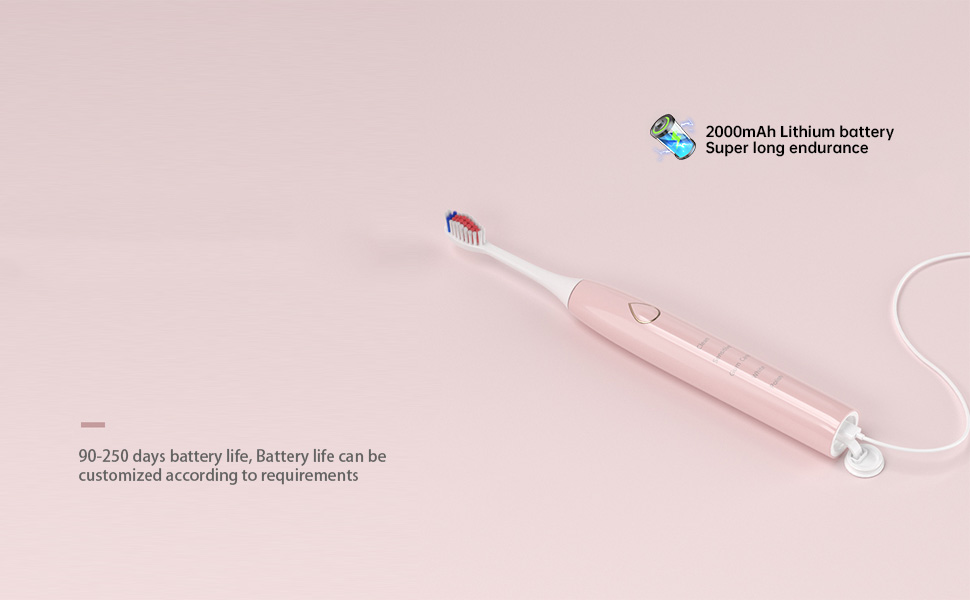
Electric Toothbrush Precision Mold Shell: How to Achieve Durability and Beautiful Design?

How to Choose an Electric Toothbrush for Children?
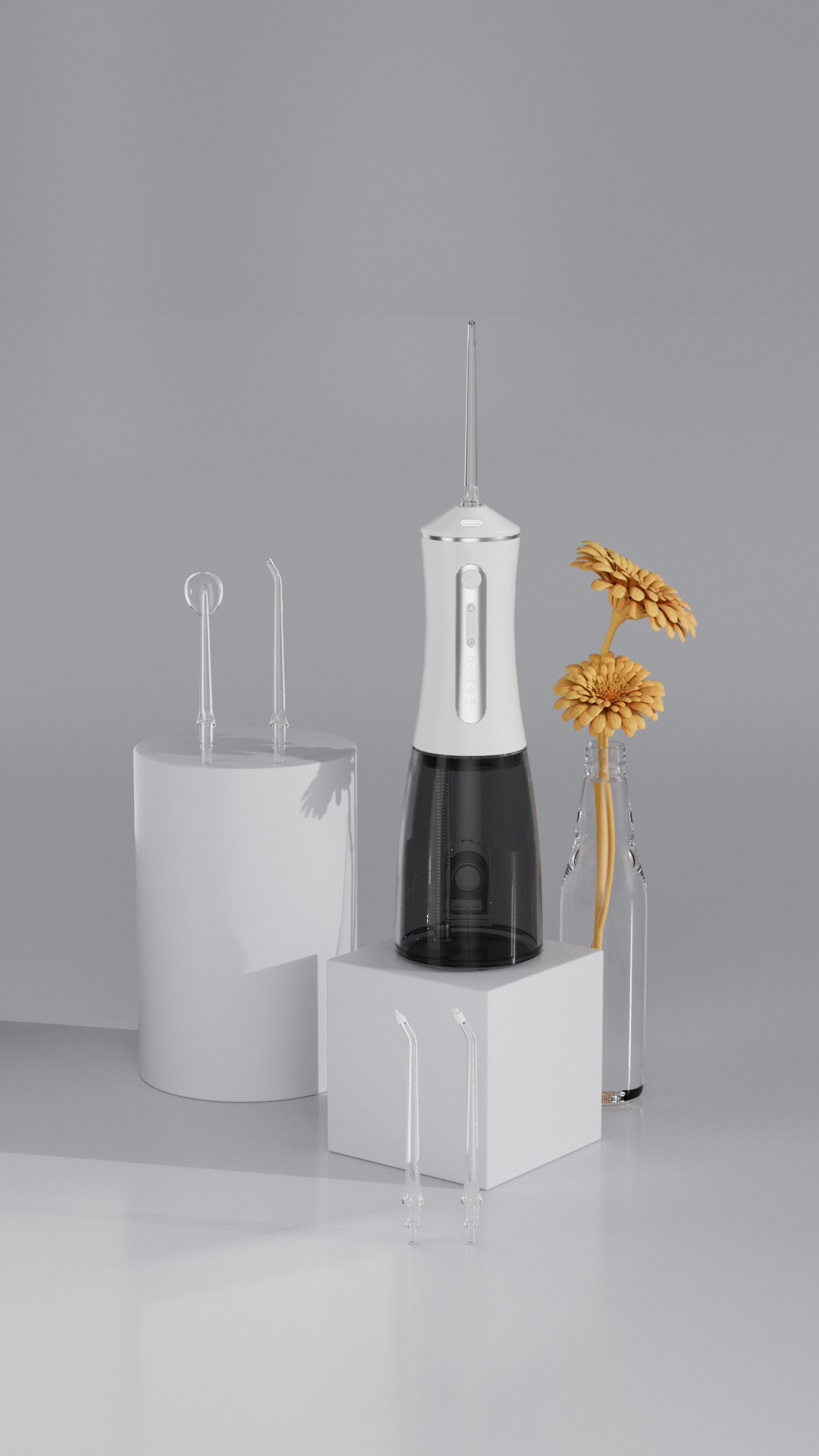
Dental Science | Suitable People and Precautions for Using Home Water Flossers
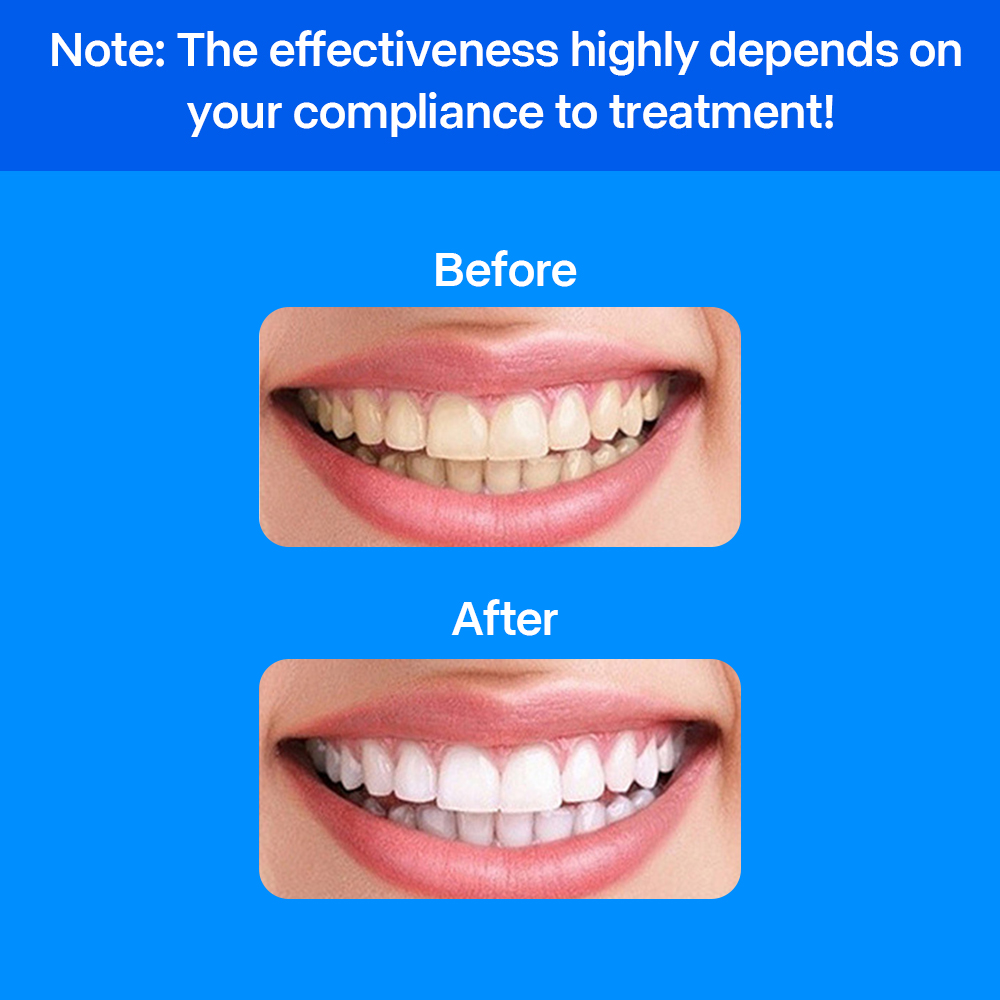
The Top Things You Need to Know About Teeth Whitening
electric toothbrush with AI sensor supplier
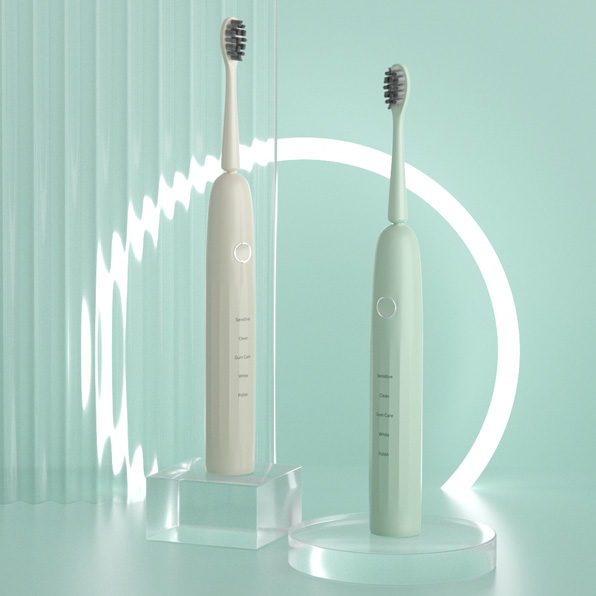
Is waterproof design important for your bathroom essential toothbrush?

Should You Get Your Child a Water Flosser?
Red and Blue Light Oral Device | Dual-Wavelength LED Therapy
Could a Personalized Nutrition Interface Be the Dashboard for a Gut-brain Axis Product?
Can an Emerging Market Clinical Trial Simplify Cross-Border E-commerce Taxation?
Gum Recession from Pulse Inconsistency? Uncover the Overlooked Risk in Oral Care Devices
Why Do Battery Overheating Risks Coincide with Whitening Tray Warping?


.jpg)
.jpg)
.jpg)
.jpg)
.jpg)






.jpg)
.jpg)
.jpg)