In the competitive electric toothbrush market, battery selection plays a vital role in user experience, product lifespan, and cost control. Whether you’re launching an entry-level product or a premium smart toothbrush, understanding different electric toothbrush battery types is essential to align performance with your brand positioning.
This blog explores the key differences between lithium battery vs. NiMH battery, the importance of battery life optimization, and how to match the right solution through OEM customization.
There are two primary battery technologies used in electric toothbrushes today:
Understanding the pros and cons of each helps brands make informed decisions based on their market segment and performance goals.
Here’s a direct comparison of lithium battery vs. NiMH battery in the context of electric toothbrush applications:
| Feature | NiMH Battery | Lithium Battery |
|---|---|---|
| Energy Density | Moderate | High |
| Charging Time | 8–16 hours | 2–4 hours |
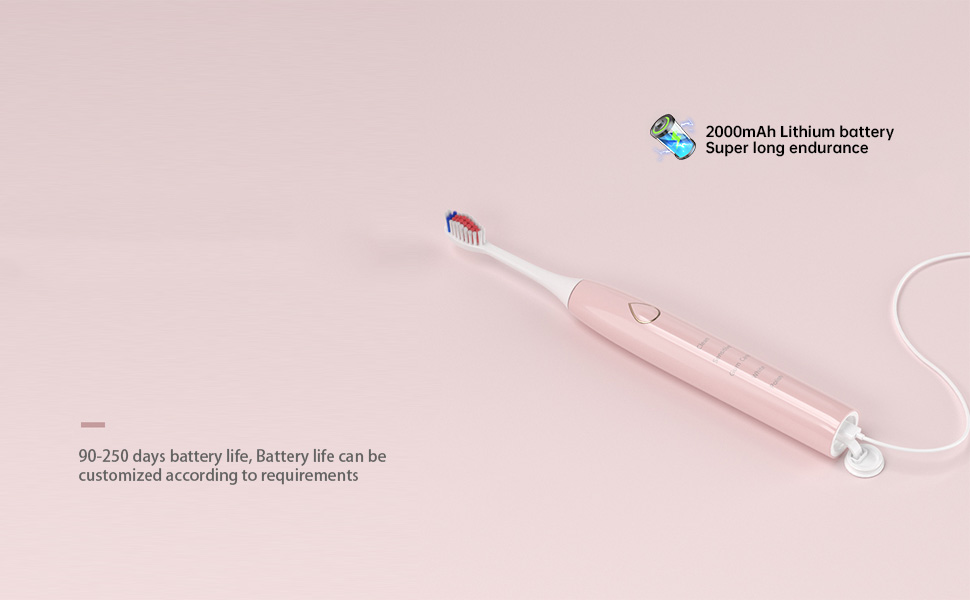
| Battery Life | 5–7 days | 10–20 days |
| Product Positioning | Entry to mid-range | Mid to high-end |
| Cost | Lower | Higher |
| Size | Larger | More compact |
For premium toothbrushes with smart features or sleek form factors, lithium batteries are ideal. For value-focused or budget models, NiMH batteries offer a balance of performance and affordability.
Beyond battery type, battery life optimization is key to delivering a strong end-user experience. Professional manufacturers optimize battery performance through:
These engineering practices help ensure that your product not only meets customer expectations but also complies with safety standards and extends time between charges.
Every brand has unique product goals. Through OEM customization, manufacturers can help:
Whether you’re targeting cost-sensitive retail markets or launching a high-end smart device, customization ensures the power solution enhances—not limits—your brand identity.
Choosing between lithium battery vs. NiMH battery isn’t just a technical decision—it’s a strategic one. A carefully selected power solution affects pricing, design, performance, and market perception.
By understanding electric toothbrush battery types, focusing on battery life optimization, and leveraging OEM customization, brands can develop products that are both functional and aligned with customer expectations.
? Partner with us to design a power system that delivers performance, reliability, and market impact—customized to your unique brand vision.https://www.powsmart.com/about-powsmart/
.jpg)
Sourcing Water Flosser Manufacturers: Key Considerations for Oral Care Brands
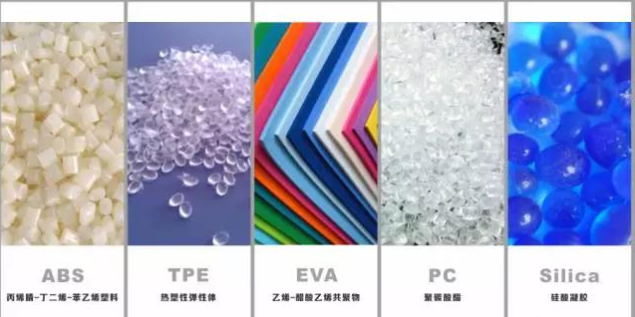
Views of the Electric Toothbrush Factory on Products Using Sustainable Materials
.jpg)
sonic toothbrush manufacturer China
Professional Sonic Toothbrush Manufacturer
Professional Water Flosser Manufacturer | Powsmart
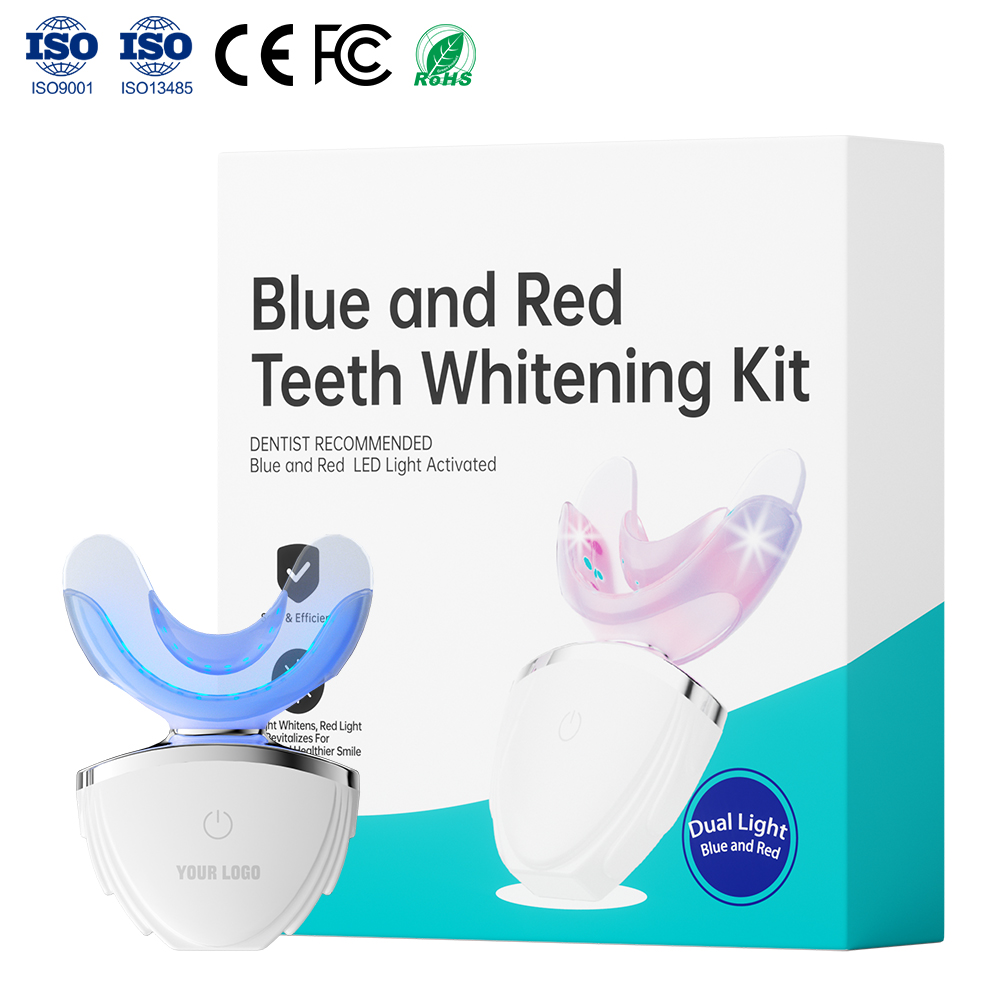
Is Whitening Kit Certification Necessary for Marketing a Portable Whitening Kit Globally?
Quality Management Zero-Defect Electric Toothbrushes High-Precision Machining Meets
Dual Clean Head Electric Toothbrush Bulk Supply | High-Volume OEM Manufacturing
How Can Oral Care Product Distributors Optimize Product Details to Increase Sales?
Toothbrush Molding Factory China for OEM & Private Label Projects
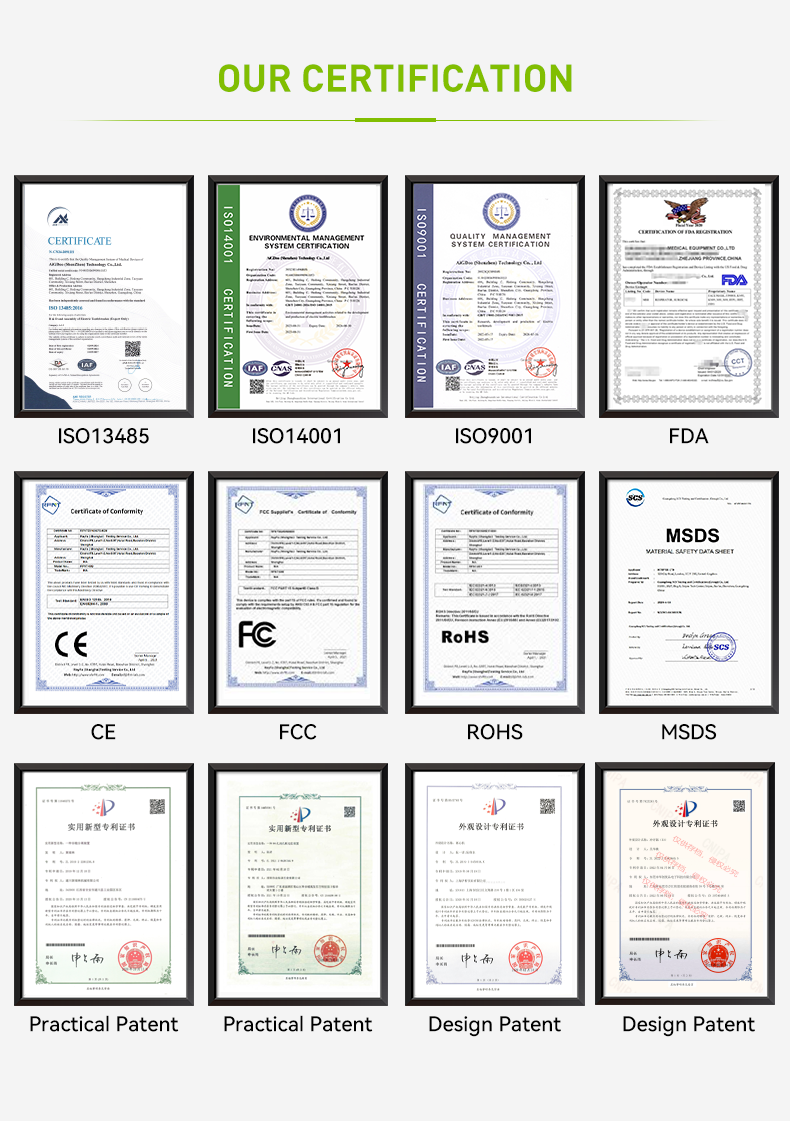
Why Combine a Warranty Analytics Dashboard with Lifecycle Carbon Tracking?
Why Is Toothbrush Quality Certification Non-Negotiable?
oral thrush water flosser guide: gentle cleaning
Does Your Ergonomic Toothbrush Handle Design Have ADA Acceptance Certification Support?
How does a built-in timer ensure a dentist recommended clean?
How to Select an LED Teeth Whitening OEM Factory for Global Brands


.jpg)
.jpg)
.jpg)
.jpg)
.jpg)